
Plans to require officially approved guides for tourism activities in Svalbard have been postponed, giving the Arctic travel industry more time to prepare for the new system.
Norway has postponed the introduction of mandatory guide certification in Svalbard, amid concerns that there would not be enough approved guides available when the rules were due to take effect.
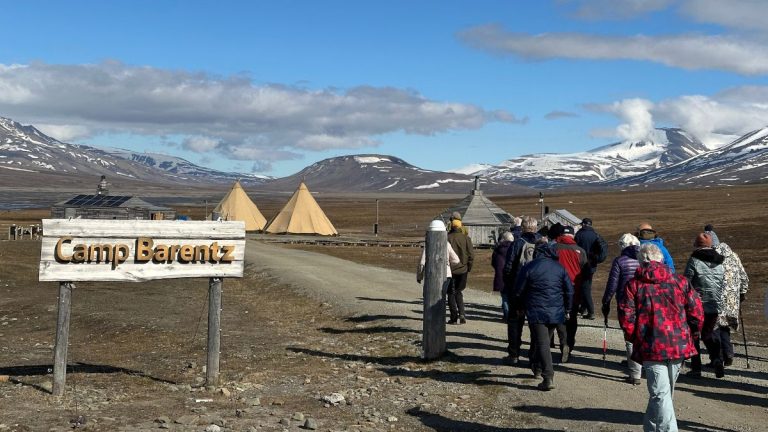
The requirement, originally scheduled for July 1, 2027, would have made it compulsory for tourism operators to use officially approved guides when conducting activities outside Svalbard's inhabited areas.
However, the Norwegian government announced on November 13 that the requirement would be delayed until the certification system is ready. No replacement date has been confirmed.
The decision gives tour operators, expedition cruise companies and guides more time to prepare, while Norway continues its efforts to improve safety and environmental protection in the Arctic archipelago.
Why Are The New Rules Being Delayed?
The new guide certification scheme forms part of Svalbard's Field Operation Safety Regulations, introduced on 1 January, 2026.
These regulations cover safety responsibilities, insurance, permits and other requirements for organized activities in Svalbard's wilderness.
The proposed guide approval system is intended to establish consistent competency standards for those responsible for leading visitors through the Arctic environment. That includes knowledge of local hazards, emergency procedures and environmental protection.
However, establishing the certification process has taken longer than expected.
The Association of Arctic Expedition Cruise Operators (AECO) said delays in developing the scheme, including its administrative systems, raised concerns that too few guides would receive approval before the original deadline.
AECO, the wider tourism industry, Longyearbyen Local Council and the Governor of Svalbard had all called for a postponement.
Norwegian Minister of Trade and Industry Cecilie Myrseth acknowledged the need to balance strict standards with the practical realities of the tourism industry.
She said guides carry significant responsibility when leading activities in Svalbard's demanding natural environment, but stressed the importance of having enough qualified guides available when the requirement takes effect.
The government's intention remains to introduce the certification system as soon as it is ready.
Experienced Guides Can Apply Now
Although mandatory certification has been delayed, work on approving guides is continuing.
On November 16, the Governor of Svalbard confirmed that applications had opened for experienced guides through a transitional arrangement. Under the scheme, guides can apply for exemptions from some of the ordinary training requirements if they can demonstrate sufficient professional experience.
Applicants must have completed at least 1,500 hours of guiding over the previous three years and demonstrate competencies that meet the Governor's standards. Applications can be made for summer or winter guide approval.
The transitional application fee is 2,000 Norwegian kroner, while the application deadline has yet to be confirmed.
The Governor of Svalbard expects the regular certification application system to open during 2027. The eventual scheme will distinguish between summer and winter guides, with winter certification also qualifying a guide for summer activities.
What Does This Mean For Tourists?
For travelers planning a Svalbard visit in 2027, the postponement is unlikely to require any immediate change to travel arrangements.
Tour operators can continue operating without the new mandatory guide approvals while the certification scheme is finalized.
That doesn't mean Svalbard has relaxed its existing safety regulations. Other requirements under the Field Operation Safety Regulations remain in force, including rules concerning permits, insurance and safety responsibilities for organized activities.
Visitors should also remember that Svalbard is a very different destination from mainland Norway.
Travel beyond the settlements can involve polar bear encounters, rapidly changing weather, difficult terrain and limited access to emergency services.
Experienced local guides play an important role in helping visitors explore the region safely, whether on snowmobile excursions, wilderness hikes or expedition cruise landings.
The postponement therefore represents a delay in implementing new professional standards rather than a change in Norway's overall approach to managing Arctic tourism.
For now, the authorities face the challenge of introducing a system that strengthens safety without leaving the tourism industry short of the qualified guides it needs.