

Thinking about becoming a Norwegian citizen? Here's how the application process works, including residence requirements, Norwegian language tests, dual citizenship, and the cost of applying.
I moved to Norway from Britain in 2011. Eleven years later, in 2022, I became a Norwegian citizen.
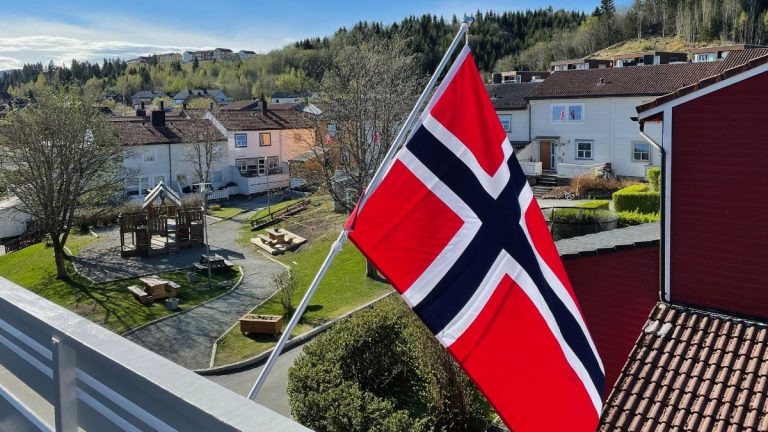
It was a significant moment for me, of course! After more than a decade of living and working in Norway, I finally had the same citizenship as the country I called home.
It also meant I could keep my British citizenship, something that became possible following Norway's decision to allow dual citizenship from January 2020.
But becoming Norwegian involves more than simply living here for a few years.
The requirements depend on how long you've lived in Norway, your existing citizenship, your family circumstances, your income, and your ability to speak Norwegian.
I've been through the process myself, including taking the Norwegian citizenship test in Trondheim. In this guide, I'll explain the current rules, share some of my experience, and point you towards the official information you'll need when applying.
Why Become a Norwegian Citizen?
Many foreign nationals live in Norway for decades without applying for citizenship.
If you already hold permanent residence, you have substantial rights to live and work in Norway. For everyday life, the differences may seem relatively small.
Nevertheless, Norwegian citizenship offers some important advantages.
The right to vote in parliamentary elections: Foreign residents may qualify to vote in local elections, but national parliamentary elections are reserved for Norwegian citizens.
A Norwegian passport: Norwegian citizens can apply for a Norwegian passport, giving access to one of the world's most widely accepted travel documents.
Greater long-term security: Citizenship provides a more secure and lasting connection to Norway than a residence permit. You are no longer dependent on meeting immigration requirements to continue living in the country.
The possibility of dual citizenship: Norway allows people to become Norwegian citizens without requiring them to surrender their previous citizenship, although their home country's rules still matter.
And then there's the personal side. For some people, citizenship is mainly about practical benefits. For others, it's about belonging, identity, or making a commitment to the country where they've built their lives.
For me, becoming Norwegian felt like a genuine milestone. The passport was useful, of course, but it also represented something much more.
Can You Have Dual Citizenship in Norway?
Yes. Norway has permitted dual citizenship since 1 January 2020.
Before this change, most foreign nationals applying for Norwegian citizenship had to give up their existing citizenship.
That was a major obstacle for many long-term residents who wanted to become Norwegian but didn't want to sever their legal connection to their country of birth.
The change allows new Norwegian citizens to retain one or more other nationalities. However, Norway allowing dual citizenship doesn't automatically mean your original country does.
Some countries restrict or prohibit dual nationality. Depending on the laws of your home country, acquiring Norwegian citizenship could mean losing your original citizenship.
British citizens, for example, can generally hold both British and Norwegian citizenship. You should check the rules of your existing country of citizenship before applying.
Who Can Apply for Norwegian Citizenship?
Most foreign nationals who have lived legally in Norway for several years can potentially apply for citizenship. However, there is no single set of requirements covering everyone.
Some applicants qualify through the standard residence rules, while others benefit from shorter periods because of their income, family relationships, age, or nationality.
These are the main routes:
| Applicant category | General residence requirement |
|---|---|
| Most adult applicants | 8 of the past 11 years |
| Applicants with sufficient income | 6 of the past 10 years |
| People granted protection or asylum | 7 of the past 10 years |
| Spouse, registered partner or qualifying cohabitant of a Norwegian citizen | 5 of the past 10 years, plus a combined residence and relationship period of at least 7 years |
| People born in Norway or who arrived before turning 18 | 5 of the past 7 years |
| Nordic citizens | Special rules, potentially after 2 years |
Other exceptions exist, including for some stateless people, former Norwegian citizens, researchers, and children.
These periods are not the only requirements. Applicants must also meet the other conditions relevant to their circumstances. For the complete detailed rules, use the Norwegian Directorate of Immigration (UDI) citizenship application guide.
How Many Years Must You Live in Norway to Become a Citizen?
For most adult applicants, the standard requirement is eight years of residence during the previous eleven years. This requirement came into effect in January 2022, replacing the previous rule of seven years during the last ten.
The eight years do not necessarily have to be consecutive, but they must count as qualifying residence under Norwegian immigration rules.
For people who need residence permits, the general rule is that the permits must have been granted for at least one year at a time. Some exceptions apply.

For EU/EEA nationals, the qualifying time is based on periods when they held a right of residence in Norway. Simply registering an address in Norway does not necessarily demonstrate that they met those requirements throughout the period.
Does Time Spent Outside Norway Count?
This is something that can catch applicants by surprise. When calculating residence for citizenship, UDI looks at how much time you've spent outside Norway.
If you've been abroad for two months or less during a calendar year, the absence generally does not affect the calculation.
However, if you spend more than two months outside Norway during a calendar year, the entire period abroad is deducted from your qualifying residence time, not just the days exceeding two months.
This is especially relevant for people who travel frequently for work, spend extended periods visiting family, or have temporarily lived in another country.
There are also separate continuity requirements for certain applicant categories. You can find the detailed rules in UDI's guides to calculating residence for permit holders and calculating residence under EU/EEA regulations.
Can You Get Norwegian Citizenship After Six Years?
Yes, potentially. People who meet UDI's sufficient-income requirement can qualify for citizenship after six years of residence during the previous ten years. But this is not the same as meeting the financial support requirement for permanent residence.
For citizenship, UDI looks at the total income recorded in your Norwegian tax settlement (skatteoppgjør). The threshold is calculated using three times the average annual basic amount (grunnbeløpet, or G) in the National Insurance Scheme.
For applicants assessed using their 2025 tax settlement, the minimum qualifying income is NOK 384,348. That figure changes from year to year.
Qualifying income can include employment income, business income, pensions, and certain taxable benefits or investment income. Loans and scholarships do not count.
To check whether you qualify, find the Sum inntekter (Total income) figure in your latest available tax settlement. UDI normally obtains this information directly from the Norwegian Tax Administration.
It's worth checking this exception if you've been working in Norway for several years. Depending on your income, you may qualify for citizenship earlier than you expect.
Read UDI's explanation of the sufficient-income requirement for the current threshold and accepted income types.
Norwegian Citizenship Through Marriage
Being married to a Norwegian citizen does not automatically make you Norwegian. However, spouses, registered partners and qualifying cohabitants of Norwegian citizens may benefit from a shorter residence requirement.
Generally, you must have lived in Norway for at least five of the past ten years, and your combined period of residence and marriage or qualifying partnership must total at least seven years.
For example, someone who has lived in Norway for five years and has been married to and living with a Norwegian citizen for at least two qualifying years may satisfy this particular residence calculation.
The periods can overlap, and the precise calculation matters. You must still fulfil the other relevant conditions for citizenship, including language requirements where applicable. UDI explains how this works in its guide to calculating the marriage period.
Norwegian Language Requirements for Citizenship
One of the most important requirements for most adult applicants is demonstrating sufficient Norwegian language ability.
Under the current rules, applicants aged between 18 and 67 must generally pass the oral Norwegian language test at level B1 or higher.
This is an important distinction. The citizenship requirement is focused on spoken Norwegian rather than requiring applicants to pass all four parts of the standard Norwegian language examination.

B1 represents an intermediate level of language ability. You should be able to discuss familiar subjects, describe experiences, explain opinions, and manage many everyday conversations in Norwegian.
The requirement is also different from the ordinary permanent residence requirement, which generally requires oral Norwegian at A2.
Are There Exceptions to the B1 Requirement?
Yes. Some applicants need only demonstrate oral Norwegian at A2, including stateless people and certain applicants over the age of 55 who receive disability benefits or came to Norway through the protection system.
Other exemptions may be available based on documented qualifications, health circumstances, or other grounds specified by UDI. Applicants outside the standard 18–67 age range are subject to different test rules.
It's important not to assume that an exemption applies simply because Norwegian is difficult to learn. If you think you qualify for an exemption, check the documentation requirements carefully.
The Norwegian Citizenship Test
In addition to demonstrating your Norwegian language ability, most adult applicants must pass a test covering Norwegian society.
There are two ways to satisfy this requirement:
- Pass the Norwegian citizenship test (statsborgerprøven).
- Pass the social studies test (samfunnskunnskapsprøven) taken in Norwegian.
If you have already passed the social studies test in Norwegian, you may not need to take the separate citizenship test. However, passing the social studies test in English or another language does not normally fulfil the citizenship requirement.
The Norwegian citizenship test is a multiple-choice examination covering subjects such as Norwegian democracy, history, society, laws, and everyday life.
It is administered at an approved test centre, and registration is generally handled through your municipality.
My Experience of Taking the Citizenship Test
I took the Norwegian citizenship test in Trondheim as part of my own application process. At the time, test places were limited, and I had to wait approximately two and a half months between booking and sitting the examination.
The test itself took place at Trondheim's Adult Education Centre. It was a computer-based examination, with candidates required to present identification and follow the instructions of the exam supervisor.
I was told that I'd passed before leaving the test centre. That was a relief! Of course, passing the test didn't mean I'd become Norwegian. It was simply one more requirement ticked off before I could submit my citizenship application.
This was my experience under the rules in force at the time. Some requirements and practical arrangements have since changed. I've written a separate guide explaining what to expect from the Norwegian citizenship test, including how to prepare.
Do You Need Permanent Residence Before Applying for Citizenship?
Not necessarily, but this is an important part of the application process. Many people obtain permanent residence in Norway before applying for citizenship.
Permanent residence gives you the right to live and work in Norway indefinitely, without having to continue renewing an ordinary temporary residence permit.
However, for people applying under the ordinary residence-permit rules, UDI does not always require you to have already received a permanent residence permit before submitting a citizenship application.
Instead, you must generally either hold permanent residence or satisfy the relevant conditions for obtaining permanent residence when UDI decides your citizenship case.
This distinction matters because the rules changed on 1 September 2025.
If you apply for permanent residence under the newer rules, you generally have to continue meeting the relevant requirements until a decision is made, with special treatment of the income requirement.
If you have not applied for permanent residence separately, you may need to satisfy its financial support requirement and other conditions when your citizenship application is decided.
Really importantly, this means that applying for citizenship does not automatically give you the right to remain in Norway while waiting for a decision.
If you are living in Norway on a temporary residence permit, you must make sure you continue to hold the appropriate immigration status and renew your permit when necessary.
EU/EEA citizens follow different residence rules, including requirements relating to permanent right of residence or recent continuous residence.
For further information, see our complete guide to permanent residence and UDI's guidance on applying for citizenship without permanent residence.
Citizenship for EU/EEA Citizens
Citizens of EU/EEA countries can apply for Norwegian citizenship, but they must satisfy the requirements relevant to their residence arrangements.
For most adult applicants, this includes the standard residence requirement of eight of the past eleven years, unless they qualify for a shorter period.
Instead of residence permits, UDI generally assesses whether you had a legal right of residence in Norway. This might be through employment, self-employment, study, or another qualifying basis under EU/EEA regulations.
Applicants must generally either have a permanent right of residence or have held a qualifying, continuous right of residence for the past three years. The usual Norwegian language and citizenship test requirements also apply.
Importantly, having lived in Norway for eight years is not necessarily sufficient if you cannot document that you fulfilled the conditions for residence.
Citizenship for Nordic Citizens
Citizens of Denmark, Sweden, Finland and Iceland benefit from special rules.
Nordic citizens over the age of 12 can generally apply for Norwegian citizenship after living continuously in Norway for two years, provided they meet the other relevant requirements.
For applicants aged 18–67, understanding Norwegian or Sami is required, but the documentation arrangements differ from the ordinary B1 language examination route.
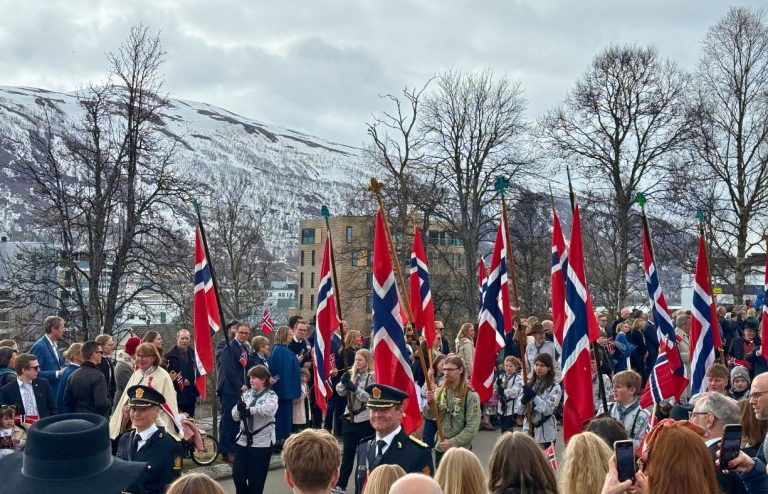
Nordic citizens aged 18 or older who have lived in Norway for seven years may also qualify for a simplified citizenship notification procedure. The two routes have different conditions and fees.
Can Children Become Norwegian Citizens?
Yes, but the rules depend on the child's circumstances. An important point to understand is that being born in Norway does not automatically give a child Norwegian citizenship.
Norway does not operate a general birthright citizenship system based solely on place of birth.
Children born on or after 1 September 2006 generally acquire Norwegian citizenship automatically if at least one parent was a Norwegian citizen when they were born. Different historical rules can apply to people born earlier.
Children born in Norway to foreign parents may qualify for citizenship later, either through their parents or through an application under rules that include shorter residence requirements.
For some children applying with a parent, two years of qualifying continuous residence may be sufficient.
Parents should check the relevant age, residence, identity, parental responsibility, and consent requirements. UDI has a guide to checking whether a child is already a Norwegian citizen.
What If You Have Norwegian Ancestry?
Having Norwegian grandparents or great-grandparents does not generally give you an automatic right to Norwegian citizenship. This is particularly relevant for descendants of Norwegian emigrants in the United States, Canada and elsewhere.
Unlike some European countries, Norway does not have a broad citizenship-by-descent programme allowing people to claim citizenship simply because of distant Norwegian ancestry.
If one of your parents was Norwegian when you were born, however, the situation is different. You may already be a Norwegian citizen, depending on the rules in force at the time.
How to Apply for Norwegian Citizenship
The application process begins on the UDI website.
Step 1: Check Your Eligibility
Visit UDI's citizenship application pages and select your existing citizenship and relevant application category. UDI will provide the requirements that apply to your situation.
Check your residence period, language results, citizenship test results, and any other relevant conditions before applying.
Step 2: Complete the Online Application
Most applicants begin by filling in an online application form and paying the application fee. You'll then receive instructions about the documentation you need to provide.
Step 3: Gather Your Documents
The documents depend on your circumstances. They may include your passport, evidence of residence, language and citizenship test results, and documentation relating to your family circumstances or identity.
Applicants over the age of 15 generally need a Norwegian criminal record certificate.
Be careful about ordering this too early: UDI normally requires the certificate to be no more than three months old when you attend your appointment to submit your documents.
Always use the individual checklist issued by UDI rather than relying on a general list found online.
Step 4: Submit Your Documents
Most applicants must attend an appointment with the police to provide their documentation and complete the application process. Follow the instructions provided by UDI, as arrangements differ between applicant categories.
Step 5: Wait for a Decision
Once the application is submitted, the authorities will assess whether you meet the requirements. Some straightforward applications can be processed automatically, while others require further checks.
You must continue meeting the relevant requirements while your application is pending.
How Much Does Norwegian Citizenship Cost?
The current standard application fee for Norwegian citizenship is NOK 6,500 for adults. Applications for children under the age of 18 are free.
There are different fees for certain special routes, such as notifications by Nordic citizens and applications to regain previously held Norwegian citizenship.
You may also face separate expenses for Norwegian language tests, the citizenship test, documentation, or obtaining a passport after your application has been approved.
How Long Does Norwegian Citizenship Take?
Processing times vary substantially. At its October 2026 update, UDI listed an estimated waiting time of approximately 14 months for citizenship applications.
Some applications are processed faster, particularly where the authorities can make a decision automatically. Others can take longer because of additional checks or individual circumstances.
In my own case, I received confirmation of citizenship just eight weeks after submitting my application. That was a much faster experience than many applicants have, and it shouldn't be taken as a typical processing time.
Why so fast? I had recently been through the permanent residence process because of the post-Brexit requirements, so much of my documentation had already been checked and verified. That's my guess, anyway!
The best approach is to check UDI's current citizenship waiting times, rather than relying on old estimates.
What Happens After You Become a Norwegian Citizen?
If your application is approved, you'll receive a formal decision confirming that you have become a Norwegian citizen. For me, that confirmation was the culmination of a process that had begun long before submitting the actual application.
Once your citizenship is registered, you can apply for a Norwegian passport through the police.
You can also apply for a Norwegian national ID card, which may be useful for identification and, depending on the type of card, travel within certain European countries.
Norwegian Citizenship Ceremonies
New citizens are also invited to attend a citizenship ceremony organised by the County Governor (Statsforvalteren). Attendance is voluntary.
The ceremonies are intended to welcome new citizens and recognise the importance of citizenship. They generally include speeches and cultural elements, and adult participants make a declaration of allegiance.
For some people, the ceremony is an important symbolic occasion. For others, the official decision itself is the main milestone. Either way, citizenship is effective through the legal decision, not because you have attended a ceremony.
Is Norwegian Citizenship Worth It?
Ultimately, this is a personal decision.
If you already have permanent residence, citizenship may not transform your everyday life. You'll still live in the same country, go to the same job, and deal with many of the same ordinary challenges of living in Norway!
But citizenship brings additional rights and long-term certainty. For those who have built their lives here, it can also represent something much more meaningful than a change in paperwork. I certainly felt that when I became Norwegian in 2022.
If you're considering taking the same step, my advice is to start checking the requirements well in advance. The residence calculation, language examinations, and citizenship test can all require more preparation than you might expect.
And remember, everyone's circumstances are different.
This article provides general information based on the published rules. It isn't legal advice, and I cannot assess individual citizenship applications.
For a definitive answer about your circumstances, use the Norwegian Directorate of Immigration (UDI) or seek advice from a qualified immigration professional.
Lykke til!


I am a Norwegian citizen. Have lived and studied in Norway before returning to South Africa. In 2003 I went to the Embassy to renew my passport. The documents was taken and I never heard from them. I tried to contact the embassy with no avail. I am still interested to retain my citizenship and go back for some time.
Please advise
Regards
You need to contact the Embassy.
Where can I find a job and/or Norwegian husband? My biological family is from Norway. I was given for adoption in America, but my heart is in Norway. I have been there.
hey am Derrick currently living in Kenya…. uhmm which is the easiest way for me to get permanent residence if an uncle of mine is a norweigian citizen and he has agreed to sponsor me
iam from pakistan and have nationlaty iam of 46 2children therefore how i would become a permament resident of norway
Hi, it is detailed in the article above.
If my great grandparents were born in Norway and emigrated to Norway, can I become a Norwegian citizen if I pass the tests?
Hi Gabby, this is all covered in the article above 🙂
Hi David,
Thanks for providing this information about Norway’s immigration policy. I was sorry to read that there is no provision for heritage. My heritage is a hundred percent Norwegian, second generation American on my father’s side, and first generation American on my mother’s side. There’s even an island in northern Norway called Dyro, or Dyroa, which happens to be my last name. LOL, I was hoping that this would count for something, but after reading your information I was saddened to find out I was wrong.
I am first generation Mother’s side, and second Father’s side as well! I am going to look into it further!!!
Hi Barbara.. My mum is fully Norwegian with a Norwegian passport but I was born in the UK. I’d love to find out what you have discovered. I am dying to get a Norwegian passport, esp now after Brexit….
Brexit is a good thing…remember that!
Hi Sarah, where you ever able to get a Norwegian passport as I am in the identical position! and am trying to see how to exactly apply for dual nationalities etc.
Wonderful informative article. So glad to learn that Norway has the good sense to think carefully and thoroughly about Immigration. I totally support all the restrictions and policies now in place. Wise and intelligent while the rest of most the world is becoming more chaotic moment by moment.
Chaotic for sure. But reactionary and with survival as the goal. It must be so hard to find a safe haven to move towards when home is violent and unsafe. Unpredictable and literally not safe.
This article does not address individuals seeking asylum or those who have refugee status. All nordic countries take in high numbers of refugees per capita.
Hi my dad and his whole family were born and live in norway, my mother is from NZ where i was born. I have been living in australia for the last 10 years and have recently returned from a trip to Norway and was wondering what my chances are of getting citizenship? Thanks.
Hi,
I was born in the United States to a Norwegian father who was not a US citizen when I was born but he was born in Norway. Later he became a US citizen. Am I eligible for Norwegian citizenship?
Read. The. Article.
Nei.
Please if I live three years in Norway without changing my passport to the new one issuin my country,will be given residence permit?
What about Icelandic citizens, passport holders living in norway for 4.5 years, how can they become norwegian citizens and get a norwegian passport? Where do they need to apply? Thanks!
My son had Norwegian citizenship through marriage and lived in Norway for several years. He sadly passed away and is buried in Norway.
Would it be possible for me and my only son left to apply for citizenship in Norway. If so, what is the criteria please?
I am from South Africa and a pensioner. I want to apply for sole Norwegian citizenship and renounce my South African citizenship.
I think you failed to mention if one of your parents is Norwegian that you must apply for citizenship before you reach age 21. I found this out way too late, sadly.
me too😢
“Citizenship is not automatically given to individuals born in Norway unless they have a Norwegian parent.” – – – Boy, if only Donald Trump had thought of that we wouldn’t need to build a wall so much.
I was born in Oslo –my mom and dad was born in Norway –all my family on both sides were born and lived in Norway till they passed away -I have several first cousins born and lives in Norway –my family goes back centuries all born in Norway –I went to school in Norway as a child — my mom and dad immigrated to the USA when I was 11 my brother 15 -I became a US citizen when I was19–I been back to Norway many times over the years to visit my family–I speak Norwegian– am I eligible to get a dualNorwegian citizenship
You’ll have to check with UDI.
Hi, thanx for your informations.
I and my husband are Italian citizens but we got married in Norway: this circumstance could be condition to get easier Norwegian citizenship?
Thank in advance for your answer.
Daniela
If you are both foreigners, getting married makes no difference unless one of you already qualifies for citizenship (i.e. seven years residency, documented fluency etc)
I am a Norwegian citizen living in the US for 30+ years. My son is 32 – born in the US, and we applied for and had both Norwegian and US passports for him. These were renewed through the age of 21. We have gone to Norway with him at least once a year and have strong family ties there. However, as I understand it he automatically lost his Norwegian citizenship at 21 unless he gave up his US citizenship. While I am happy to be able to gain US citizenship and retain my Norwegian one, would it be possible for my son to regain his Norwegian citizenship without moving there and passing language and other tests?
You’d have to check with UDI.
How about re-acquiring previous citizenship after becoming Norwegian.
I can’t see how Norwegian law would have any impact on that – you’d have to check with the specific country’s own citizenship laws.
What if one person is from another country and one is from Norway and they got marriage.. how the process will work for having the citizenship for the person (Male) who got married with Norwegian women?🤔
Are there any changes for children of dual citizenship in law amendment approved by parliament in November? I am Norwegian and my children are Norwegian and British. However, they have never lived in Britain or Norway and I am curious if the minimum living in Norway period will remain 2 years before age of 22 in order to retain Norwegian citizenship. They all speak Norwegian and have visited Norway all their lives.
I was born in Norway and emigrated to the USA at a young age on a U.S. Greencard (Permanent Resident Alien). Held a Norwegian Passport until I was 22 years old, when I took out my US citizenship and was issued a US Passport. I still have my expired Norwegian Passport and Norwegian Birth Certificate. My Norwegian language skills are still pretty good. What is the best way to proceed to obtain dual citizenship?
If I understand your circumstances right, you can reclaim your Norwegian passport if you were forced to give it up, when the new double citizenship rules come in from January 2020.
It is ashame that Norway do not recognise Norwegian blood-line heritage in some way. I live in Australia and my grandfather (Lars Larsgaard) came here as a child with his parents. Naturally, my mother (86) has 50% and I (63) have 25% Norwegian blood line heritage.
Australia is a multi-cultural country and people from all around the world can obtain Australian Citizenship or Residency after passing the necessary conditions. Depending on the country they come from many can hold duel passports. I can understand that it shouldn’t be easy to qualify for duel passports, but I am like a lot of other people are very proud of my Norwegian heritage and it would be great if the Norwegian government would recognise it for non residence.
Even now because of multiculturalism people have to do DNA testing to find out their heritage, which is sad if a living generation of people know their heritage but that government will not recognise it.
But as one parliamentarian made the point about war: Whose side would you chose? Denouncing your citizenship to one country is not as easy mentally as one thinks. Many people up here write their heart is in Norway, what about their allegiance to their home country? I can see the point. This is why UDI handles such matters.
Dual citizenship and allowing citizenship by heritage are two completely different things. Norway allows dual citizenship from January 2020. And anyway, there’s an almighty difference between “recognising” heritage and handing out passports, which give full access to the welfare system for people who have never paid in anything…
Hello David,
I find your article very informative. However, I would just like to clarify something.
1. At the time that a person applies for Norwegian citizenship are they allowed to visit their home country on a yearly basis?
2. If you are in Norway through marriage, and is currently working on the citizenship will divorcing your partner who is a Norwegian national affect your application?
I hope you will answer.
Answer to question 2: You will be affected UNLESS you have already obtained permanent residency. That makes you fully independent of your ex 😉
Reading these comments makes me realize that, for some incomprehensible reason, people ask questions that were explicitly addressed in the article. It pains me. Read the article.
I am Norwegian born and my mother is Norwegian as well though we both now are Canadian citizens. Can we get dual citizenship when it goes thru parliament? also I only lived in Norway for 2or 3 years when I was young and have not lived there since nor worked there.. I am I eligible for a pension of any kind? The embassy gave me a link to check but they did not clarify whether I could get it without going thru the whole process. Is it worth my pursuing or not/ Any info would be helpful. Thanks
So..I wanted to move to Oslo, Norway someday. I want my career and life to be there. I am not Norwegian tho and I know it’s gonna be rough for me. I thought it was gonna be easy, but when I looked as read all of this…it seems hard. Is there any easier way? Tbh with you, I’m dumb. I feel like I wouldn’t even pass the exam. (I forget things to quickly!) I love someone over there and promised to one another that we’ll have the best life. I’m losing hope…WHY DOES IT HAVE TO BE SO DIFFICULT?! *cries*
Lol bro you are not dumb!
This article is about citizenship – you don’t need to be a citizen to travel to Norway or start working here. Citizenship is the very last step in a long process that takes many years.
I’ve wanted to move there since like 5th grade (I’m 15 in 9th now) but I don’t have family there or anything. So I will have to probably live there for awhile and pay for college myself. My friend who is Norwegian said college is free, but only for citizens. I’ve been learning Norwegian for a few months and am okay it it so far. Although it will take awhile.
Hi, can someone who is not a norwegian citizen but has a permanent residence card travel to the united states?
You’ll need to check with the United States for their entry requirements.
Hi,
I have a UK Passport but have lived and worked in Norway for 28 years. I have been married to my Norwegian wife all this time and we have 2 grown up kids.
My question is, although I am fluent in Norwegian I dont have any written exam papers, do I still need to take the tests ?
I never thought Id need the passport but Brexit has changed this for me.
A Scot.
Hi David
I’m another person with a sad long lost Norwegian heritage. I have a list of about 40 names on both sides of the family and marriages dating back to the 1600’s. My great grandparents came separately and met at Ellis Island, NY USA. I don’t even know where to begin to research my lineage; however, I’ve been told we have land in Norway. Perhaps you can share a website or link so that I may do a name search in the Norwegian archives to establish contact with family and pursue sponsorship and/or potential citizenship?
Kind regards,
Donny
Can a friend petition for you to become a Norwegian citizen? I’m trying to get the hell out of the US.
Hi,
I had a business in Norway for 12 years before I left in 2011 I have a son aged 20 who lives there and he wants me to return has Brexit stopped this??
BR Peter
You would need to apply for a work permit in the same system as all other non-EU/EEA citizens.
I am born in Malta and I can’t wait to go back home but I changed my nationality from Maltese to Norwegian
My grandfather Oivend Nilssen a Norwegian sailor from Oslo married my grandmother in a registry office in Glasgow in the 1920’s. They had two sons and a daughter. Would he have had to have registered the marriage also in Oslo Norway?? I have a copy of my father’s birth certificate. The only other item I have is a photograph my grandfather with his sailor’s uniform and which has some writing on his hat. They say Nilsen or Nilssen is just like the name Smith in the UK – extremely common. He ran away to the gold and mineral mines in Mount Isa in Western Australia. When I was 7 years old I sent a letter there which was returned not known at that address. Where could I start a search in Oslo. I would love to find Norwegian relatives that is my final quest. Do I have any chance of finding them. I am Scottish what a situation is it futile. LOL
Hi! What if the case is like this I have lived in norway continuously for 3 years and then lived at my home country without a residence in Norway for 1 year. And then moved back to Norway, if I apply for a permanent residence permit and be granted the Total years of residing in Norway is about 7 years…. Am I eligible to apply for norwegian citizen given the fact I was not in Norway for a year?
It depends on the category you fall into, you can easily check this with UDI
Retired US citizen, have lived in Norway 51 years. Will I still need to update my residence card every 2 years if I become a Norwegian citizen? At present I need to show the card when returning to Norway from a European country. For example, when I fly to the US via Denmark.
If you become a citizen you can get a Norwegian passport. You won’t need a residence card anymore.
My biological father is Norwegian, my mother is not, was born and raised outside Norway, what should i do to become a citizen ?
You need to check with UDI.
If you were granted citizenship and was away for extended time, how does it affect your status, does your citizenship get taken away?
That is an excellently written and informative article. It must be a great annoyance to you that many commenters obviously didn’t bother carefully reading it before firing off questions already clearly answered in it. As a dual-national (USA & Ireland) and a father of two triple-nationals (those two countries plus Russia thanks to the wife), I can attest to how useful having more than a single passport can be, especially as an expat living and working abroad. As you mention, Ireland is one of few nations whose citizenship can be acquired by heritage, which is how I applied for mine, my paternal grandmother having been born there in Galway before coming to the USA in 1919. My main reason for getting Irish citizenship was to be able to legally live and work in Germany, when I resided there through much of the ’80s, since a citizen of one European Union (EU) country can live and work in any other. Although not a full member of the EU, Norway enjoys a similar relationship whereby citizens of any EU nation may live and work in Norway. One merely needs to register with the police within three months, which is free of charge. Hence, since having at least one Irish grandparent isn’t exactly “exotic” here in the USA, many Americans who want to live in Norway might be able to avail themselves of that Irish citizenship EU loophole so long as they have at least one Irish-born grandparent. The process is fairly simple, and can be done through any Irish embassy by mail. Obtaining Italian citizenship by heritage is a fair bit more difficult than the Irish process, but may also be an option for some. Then, once happily ensconced in Norway as an EU permanent resident, one might then need only spend those seven or however many years residence may be required by one’s circumstances to then later apply for Norwegian naturalization should one wish.
Thank you for the informative article. Oh gosh… what a bummer though. I am 100% and I live in Minnesoooota. Our ways and traditions are still very much the same as when my ancestors arrived. I had hoped so much that there was some kind of Citizenship By Descent that went to the 4th generation at least. My heart has always been in Norway. Fishing in the beautiful Fjords has always been a lifetime dream. Mange takk og ha en god kveld.
My mother is Norwegian and so is my brother.my mum lives in the uk and my brother lives in Norway.is there anyway I can get citizenship or daul nationality???
What is meant by at least 7 years? If I lived in the country with a valid visa for 7 years without going anywhere else does it counts?
Hi there!
I just read the article and had me raise the question. I’m deaf and mostly sign and write as I don’t speak very much. I’m not sure if they would let the Deaf to become citizen for Norway based on frequent in Norwegian Sign Language and/or on read and write, or just rather have to stick with the length of residency since speaking orally in Norwegain is likely out of question. Just asking for a deaf person.
You can get an exemption to the requirement to pass the oral test, but you have to submit an extra form and get it signed off by a suitable healthcare worker:
https://udi.no/globalassets/skal-sokehar-soktfatt-svarskal-fornye/statsborgerskap/krav/skjema-for-opplaring-pp-ped-for-unntak-fra-krav-til-prover-ved-soknad-om-norsk-statsborgerskap_b.pdf
Sorry, I linked to the wrong document! This is it:
https://udi.no/globalassets/skal-sokehar-soktfatt-svarskal-fornye/statsborgerskap/krav/skjema-for-a-be-om-unntak-fra-krav-om-prover-ved-soknad-om-norsk-statsborgerskap__b.pdf
For permanent residence, you can apply up to 3 months in advance of your residence having reached 3 years.
I’m wondering is citizenship like that as well? i.e. do you need to wait until you’ve passed 6 years, and then apply, or can you apply in advance at say 5.5 years of residence?
How long does it take to get an application approved (from submitting to receiving passport). I read somewhere that it could be 24months?
Applying for a passport is a different process. You start that once you’ve become a citizen, and that just takes a few weeks. Application time for citizenship varies massively, but it has been longer lately because of the change in law to allow dual citizenship, which led to more applications. The UDI website publishes its latest expected waiting times.
Hi, where can you take the norwegian language test so it’s accepted by UDI?
Thanks!
Hello! So, I’m hoping to become a Norwegian citizen to live with my mother in Norway. My mother and two of my sisters are Norwegian citizens.
Though I was born and raised in California, my mother wasn’t married to my father when I was born and my mother has dual citizenship from her mother who came to Norway and had her unwed. My mother is pretty convinced that I also have dual citizenship but I am uncertain.
If not, would I be able to apply for citizenship with three people to sponsor me?
You can use the application tool at http://www.udi.no to figure this out.
Greetings,
I was born in the US (in 1974) to a Norwegian father and an American mother. They were married at the time of my birthday and my father remained a Norwegian until the day he died. I always considered myself “Norwegian American” but I never knew until recently that I might have a claim to dual citizenship. I have been trying to navigate the UDI website, but I am not sure where I can take my documentation. A Norwegian consulate? An embassy? Do I have to travel to Norway? Half my family is in Norway. I have been there 7+ times and they have visited me in the states. I have a fully remote job and they are okay with me moving there.
I am initially just wanting to establish dual citizenship and to get a Norwegian passport. What are my odds of success?
It’s not about odds, it’s about whether you meet the rules or not. They are clearly laid out here so it should be easy to see if you are a Norwegian citizen or not: https://udi.no/en/word-definitions/are-you-a-norwegian-citizen/ – this tool also tells you what to do next.
As of September 2025, it takes around 30 months (2.5 years) just to receive an answer, whether positive or negative. Such a waiting period is unreasonable and inhumane.
UDI refers to various system-related challenges to explain the backlog, but from my perspective, it feels like an indirect way to discourage immigrants from keeping hope in the system. I also know that many applicants with Western backgrounds often have their cases processed automatically within weeks.
This raises a key concern: the criteria for automatic versus caseworker-based processing are not defined transparently. Is the decision influenced by a name, by skin colour, or by arbitrary computer logic? The lack of clarity creates mistrust.