
Planning a trip to Norway's spectacular Lofoten Islands? From transport and driving to the weather, seasons and where to stay, here's what you need to know before you go.
Lofoten is one of the most beautiful places in Norway. It is also one of the easiest places in Norway to plan badly.
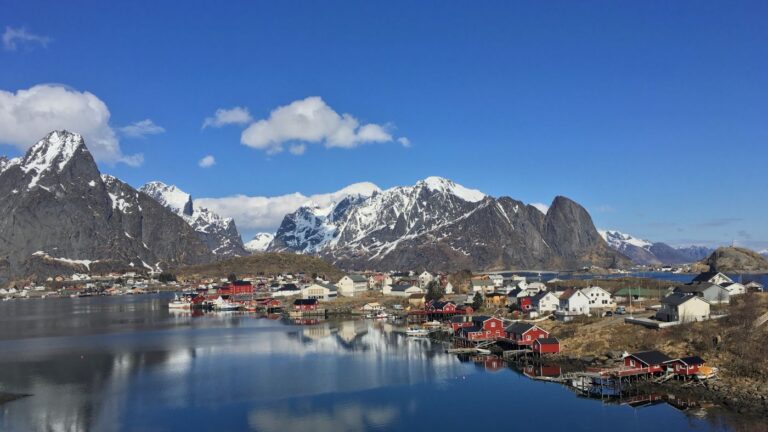
You've probably seen the photographs. Red fishing cabins beneath jagged mountains. White sand beaches beside turquoise water. Tiny villages squeezed between the sea and seemingly impossible peaks.
Then there is the midnight sun in the summer and the possibility of the northern lights during the darker months. Yes, Lofoten really can look like that, but it is not a theme park.
This is a remote, weather-exposed island region in Arctic Norway, where journeys can take longer than expected and conditions can force you to change your plans.
That's why a successful Lofoten trip is about much more than making a list of famous viewpoints.
How you get there, where you stay, whether you drive, how much time you allow and when you choose to visit will all have a major impact on your experience.
So, if you're thinking about visiting the Lofoten Islands, here's what you really need to know before you go.
Lofoten Travel Resources
🛏️ Find the right hotels and accommodation for you
🚘 Find the best rates on car rental in Lofoten
👣 Discover the best Lofoten tours and experiences
🤕 Make sure you're covered with comprehensive travel insurance
Where is Lofoten?
Lofoten is an archipelago in Northern Norway, above the Arctic Circle and extending out into the Norwegian Sea.
A chain of islands, bridges and tunnels links most of the best-known settlements. The E10 highway forms the backbone of the road network, running through dramatic mountain scenery and connecting many of the places visitors come to see.
In the eastern part of Lofoten you'll find Svolvær, the region's biggest town, along with Kabelvåg and the famous fishing village of Henningsvær.
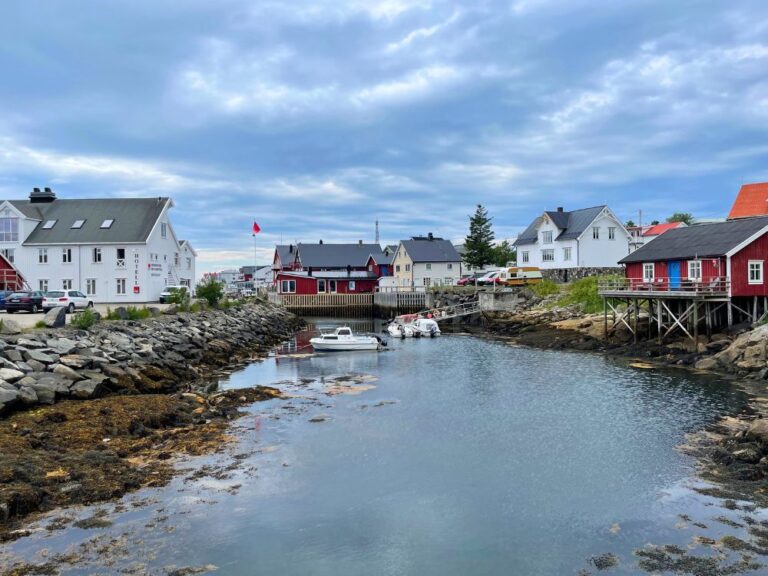
Farther west are Leknes, Ballstad and the beaches of Vestvågøy, before the scenery becomes increasingly dramatic around Flakstad, Ramberg, Reine, Hamnøy and Å.
This is the first thing many first-time visitors underestimate. Lofoten looks quite small on a map. It doesn't always feel small when you're actually there.
The roads are wonderfully scenic, but this is not somewhere to measure your days simply by kilometres. Roads can be narrow, traffic can be slow during the busy summer season, parking can take time and you'll probably want to stop far more often than you expected.
More than many places in Norway, Lofoten rewards slow travel. It does not reward rushing.
How to get to Lofoten
There is no single best way to reach Lofoten.
The right choice depends on where you're travelling from, how long you have, whether you plan to rent a car and whether Lofoten is the entire focus of your trip or part of a longer journey through Northern Norway.
Fly to Svolvær or Leknes
The most direct option is to fly to one of Lofoten's two main airports at Svolvær or Leknes. Widerøe operates services connecting both airports with Bodø, with some other direct routes available depending on the season.
Flying into Lofoten itself can be very convenient, particularly if you don't want a long drive at the start or end of your holiday.
However, these are small regional airports and many journeys involve a connection. As elsewhere in Northern Norway, weather can also interfere with transport plans, so avoid building an unnecessarily tight itinerary around important onward connections.
Fly to Evenes
Another popular option is Harstad/Narvik Airport at Evenes. Despite its name, the airport is neither in Lofoten nor particularly close to Harstad or Narvik! It is, however, a useful gateway to a wider Northern Norway road trip.
Evenes is about 170km by road from Svolvær. Bus connections into Lofoten are available, including a year-round airport shuttle to Svolvær.
Renting a car at Evenes can make particular sense if you're combining Lofoten with Vesterålen, Narvik or other destinations farther north.
Just remember that landing at Evenes does not mean you've arrived in Lofoten. You still have a substantial albeit very scenic journey ahead.
Take the ferry from Bodø
For many travellers, arriving by sea is part of the attraction. The car ferry from Bodø to Moskenes crosses the Vestfjord and delivers you straight into the spectacular western end of Lofoten, close to Reine and Å.
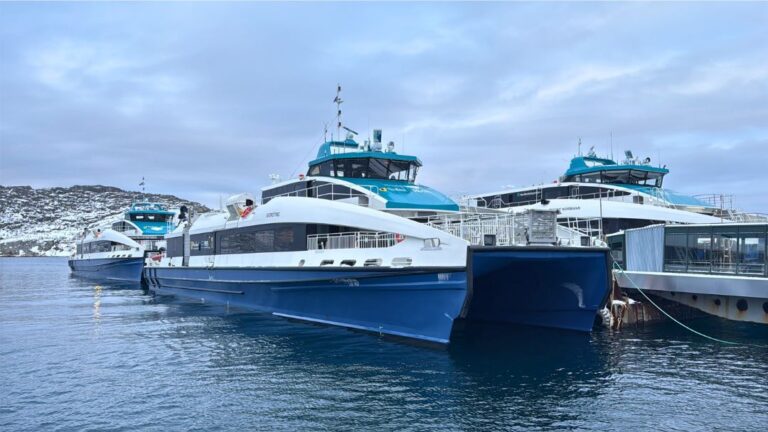
The direct crossing takes about three-and-a-half hours. Timetables vary throughout the year and advance reservations are recommended on popular crossings during the high season.
This can be a wonderful way to begin a Lofoten road trip, especially if you're already travelling through Bodø.
But don't treat the ferry like an urban bus service that you can simply turn up for without thinking. Always check the latest timetable and booking arrangements before travelling.
Drive into Lofoten
Thanks to the E10, Lofoten is connected to mainland Norway without the need to take a ferry. This makes the islands easy to incorporate into a longer road trip from Narvik, Vesterålen or Sweden.
Again, though, don't underestimate the distances involved. If your plan includes Lofoten, Vesterålen, Senja and Tromsø in the same trip, look carefully at the driving times before deciding how much is realistic.
Getting to Lofoten is not simply a transfer. Getting there is part of the journey.
Do you need a car in Lofoten?
For most first-time visitors planning a classic Lofoten sightseeing trip, renting a car makes life considerably easier.
A car gives you the flexibility to stop at viewpoints, visit smaller villages and beaches, change your plans when the weather turns and make the most of the extraordinary light during the long summer days.
It also allows you to design your day around what you actually want to see rather than around a bus timetable. But that doesn't mean visiting Lofoten without a car is impossible.
Public buses connect the main settlements, while organised tours, boats and other local services can fill some of the gaps. Svolvær in particular works reasonably well as a base for travellers who don't want to drive.
Public transport is a viable option, but it requires more planning. Services and connections vary, so use the current journey planner rather than relying on an old timetable or blog post.
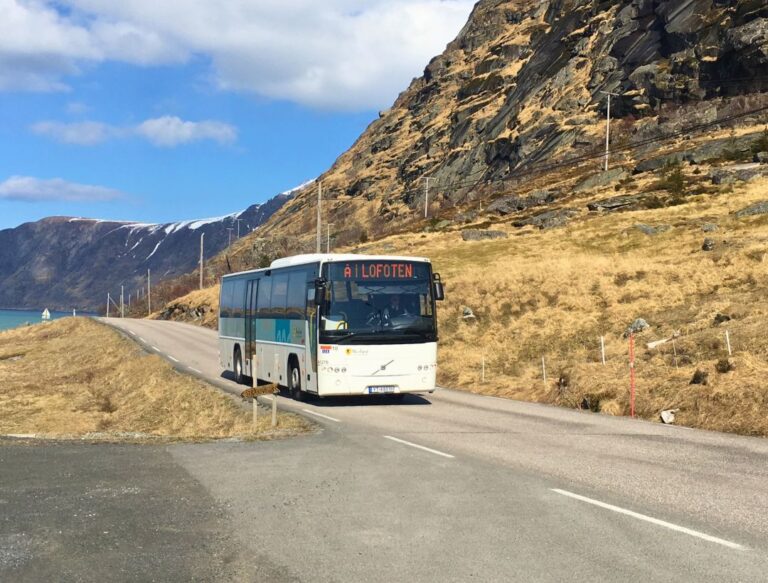
The important distinction is this: The problem isn't visiting Lofoten without a car. The problem is visiting Lofoten without a plan. If you're not driving, choose your accommodation around the transport you intend to use.
How long should you stay in Lofoten?
One of the most common mistakes when planning a Lofoten trip is trying to see too much in too little time. Technically, you can drive through much of the archipelago in a day. But that rather misses the point.
Lofoten is not only about the famous stops. It's about the road between them, the changing light, fishing harbours, weather moving across the mountains and the places you suddenly decide to stop because the view around the next corner is too good to ignore.
If you only have two or three nights, you can still enjoy Lofoten. But choose your base carefully and accept that you're getting a taste of the islands rather than seeing everything.
With four or five nights, you have far more room to breathe. You can explore different parts of the islands, include a hike or boat trip and still have some flexibility should the weather interfere.
With a week, you can slow things down considerably. That's particularly worthwhile if hiking, kayaking, photography or northern lights hunting is a major reason for your visit.
For most first-time visitors, my advice is simple: Do less. Stay longer. Leaving some empty space in your itinerary is rarely something you'll regret in Lofoten.
When is the best time to visit Lofoten?
There is no universally best time to visit. Summer and winter offer very different versions of Lofoten, while spring and autumn can be rewarding for people prepared for more variable conditions. The question is really what you want from your trip.
Summer in Lofoten
Summer is the easiest season for a first-time road trip.
The days are exceptionally long, hiking becomes possible once conditions permit, more visitor attractions and activities are operating, and driving is generally much more straightforward than during winter.
Around early summer comes one of Lofoten's biggest attractions: the midnight sun.
The exact dates vary by location and surrounding mountains, but Visit Lofoten gives the general midnight sun period as roughly 28 May to 14 July. Some west- and north-facing locations enjoy it for slightly longer.
Summer is a wonderful time for hiking, kayaking, cycling, road trips, boat trips and long evenings spent outdoors. But there is a downside. This is the busiest time of year.
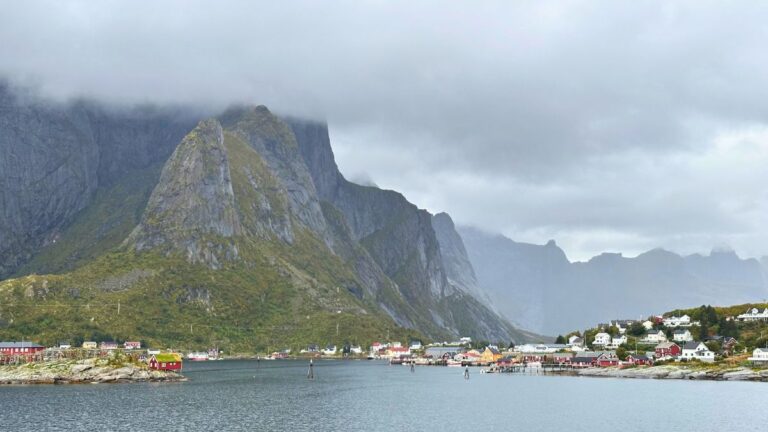
Accommodation and rental cars can become expensive or sell out, parking areas at popular attractions fill up, and some of Lofoten's most famous villages and viewpoints can feel surprisingly busy.
The best response isn't necessarily to avoid them. Famous places are often famous for a reason.
Instead, use the long days to your advantage. An evening visit can feel very different from arriving at the same place in the middle of the day.
And don't be fooled by photographs of white sand and turquoise water.
Lofoten has some genuinely spectacular beaches, but this is still Arctic Norway. A sunny afternoon beside the sea can be glorious, but beach weather should be considered a bonus rather than the foundation of your packing strategy.
Bring layers and waterproof clothing regardless of the forecast.
Winter in Lofoten
Winter transforms the islands. Snow adds another dimension to the mountains, the low Arctic light can be extraordinary, fishing brings activity to the harbours and dark skies create the possibility of seeing the northern lights.
The winter cod fishery remains an important part of life in Lofoten. Migrating skrei arrive in the waters around the islands during the winter and early spring, continuing a fishing tradition that has shaped the region for centuries.
But winter is not simply summer with snow. Daylight is limited. Roads can be icy. Strong winds can affect driving, ferries and other transport. Conditions can change rapidly.
If you're not experienced at driving on winter roads, think seriously about whether you need a car at all. Basing yourself in Svolvær and using organised excursions may make for a far more relaxing trip.
And if the northern lights are your main reason for travelling, remember that they are never guaranteed.
Lofoten offers excellent opportunities during the darker part of the year, but successful aurora viewing requires darkness, suitable solar activity and, crucially, clear enough skies.
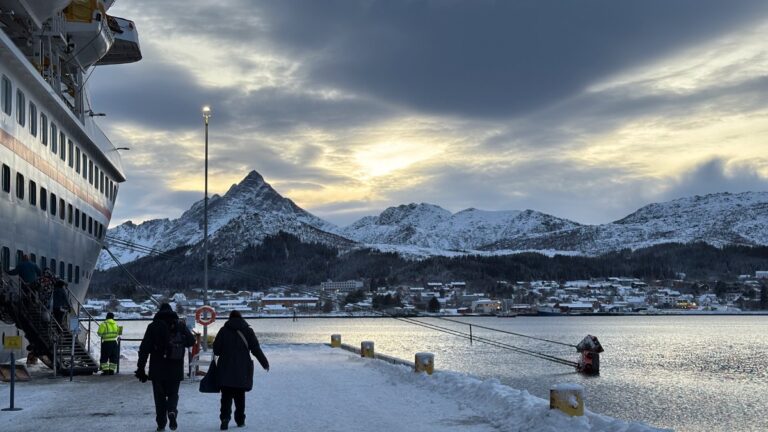
Plan a winter holiday you'd enjoy even if the northern lights never appear. Anything else should be considered a spectacular bonus.
In Lofoten, the weather runs the trip
Whatever time of year you visit, there's one thing worth understanding before you make a detailed itinerary.
In Lofoten, the weather runs the trip. Not your spreadsheet. Not your saved Instagram posts. Not the hike you've allocated to Tuesday afternoon.
This is an exposed island region surrounded by sea and mountains. Conditions can change quickly and can vary substantially even over relatively short distances. That matters most when your plans involve the outdoors.
A mountain hike that would be perfectly reasonable in good weather may be a poor idea in low cloud, strong wind or heavy rain. Boat trips and kayaking are also dependent on conditions.
In winter, the consequences can be more serious. Poor weather can affect roads, bridges, ferries and flights. So give yourself alternatives.
Don't plan the one big hike of your trip for your only available afternoon and assume everything will cooperate. Don't create unnecessarily tight onward connections after long drives or ferry crossings.
And don't assume poor weather means Lofoten has been ruined. Moody skies, low cloud wrapping around mountains and rough seas can be every bit as memorable as the postcard-perfect blue-sky days. Take the conditions seriously, but allow Lofoten to be Lofoten.
Where to stay in Lofoten
Where you stay matters more here than in many destinations. Your base determines how much driving you'll do, how easy it is to reach the places on your wish list and how much flexibility you have when plans change.
Svolvær and Kabelvåg
Svolvær is the most convenient base for many visitors. As Lofoten's biggest urban centre, it has a good selection of accommodation, restaurants, shops and organised activities. Boat trips and sea safaris also depart from the town.
Nearby Kabelvåg offers a quieter atmosphere while remaining within easy reach of Svolvær. The area also has deep historical connections with the Lofoten fishery. Medieval Vágar, in the Kabelvåg area, developed as an important centre for the stockfish trade.
Henningsvær
Just south-west of Svolvær, Henningsvær is one of Lofoten's most distinctive villages. Spread across small islands beneath steep mountains, it combines a working fishing harbour with galleries, cafés, restaurants and accommodation.
It's an attractive place to stay if atmosphere matters more to you than having every service immediately at hand.
Central Lofoten
The area around Leknes, Ballstad and neighbouring parts of Vestvågøy makes a practical central base. This location works especially well if you want access to both eastern and western Lofoten without changing accommodation every night.
It's also well placed for several of the region's best-known beaches, including Haukland and Uttakleiv.
Reine, Hamnøy and western Lofoten
For the scenery that launched a thousand Lofoten photographs, head west. Reine, Hamnøy, Sakrisøy, Sørvågen and Å are surrounded by some of the most dramatic mountain and coastal landscapes anywhere in Norway.
Staying here gives you more time to explore the far west without repeatedly making the long drive from Svolvær.
However, western Lofoten is farther from some airports and arrival points, so check the map before booking purely because you've fallen in love with a photograph.
For a longer trip, splitting your accommodation between two bases can work very well. For a short trip, changing hotels every night usually doesn't.
Rorbuer: Lofoten's classic place to stay
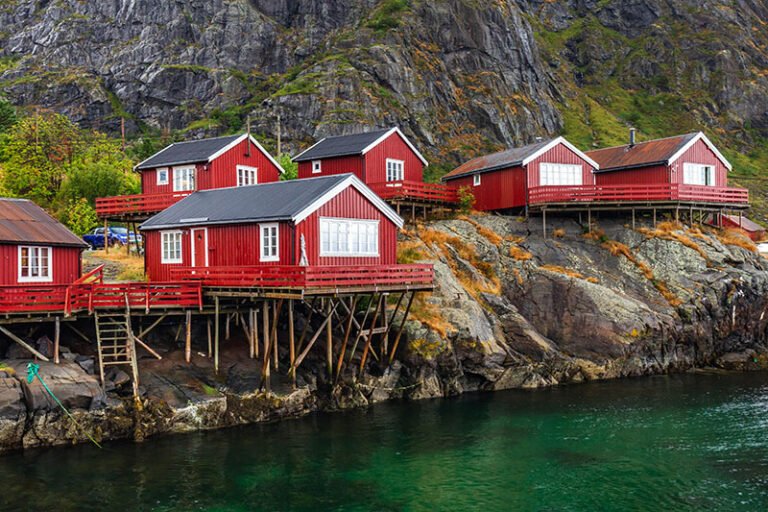
For many visitors, staying in a rorbu is part of the Lofoten experience. These traditional fishermen's cabins once provided seasonal accommodation for the thousands of fishermen who travelled to Lofoten for the winter cod fishery.
Today, many former rorbuer have been converted into tourist accommodation. They range from simple cabins to stylish waterfront apartments with modern kitchens and bathrooms.
The rows of red cabins clustered around fishing harbours are among Lofoten's most recognisable sights, but they are also a reminder that tourism here has grown out of communities shaped by the sea.
Whatever accommodation you choose, book well ahead if you're travelling in peak summer or during popular winter periods. The most attractive properties don't have unlimited capacity.
The famous places are famous for a reason
Reine. Hamnøy. Å. Henningsvær. Nusfjord. Svolvær. Kabelvåg. Haukland. Uttakleiv. Ramberg. You've probably seen at least some of them while researching your trip. And yes, they're popular. That doesn't mean you should avoid them.
The mistake is approaching Lofoten purely as a checklist in which success means collecting every famous village, beach and viewpoint. Some of the most memorable parts of a Lofoten trip happen between those places.
A fishing boat returning to harbour. Cod hanging from wooden drying racks. Cloud pouring across a mountain ridge. A beach you hadn't planned to stop at. A café that becomes your afternoon plan because the rain has arrived.
The villages themselves also make more sense once you stop treating them simply as backgrounds for photographs. These are living communities.
That combination of extraordinary landscape and ordinary everyday life is a big part of what makes Lofoten interesting.
Hiking in Lofoten
Lofoten is one of Norway's great hiking destinations.
The unusual geography of steep mountains rising almost directly from the sea means you don't always have to climb to extreme elevations before getting extraordinary views. But that doesn't mean the hikes are easy.
Routes can be steep, muddy, exposed and much tougher than photographs suggest. Weather changes quickly and some trails become extremely busy during summer.
Perhaps the most famous hike is Reinebringen, towering above Reine and the Reinefjord.
Almost 2,000 stone steps have been installed on the route, but this remains a steep mountain hike. Local tourism authorities strongly advise against attempting Reinebringen during winter.
Other famous hiking areas include Ryten and Kvalvika in western Lofoten, while Fløya and Djevelporten are popular choices close to Svolvær.
Whichever route you choose, make the decision based on your own ability and the actual conditions, and not simply because you've seen the photograph from the summit.
Lofoten is about much more than hiking
You don't need to climb a mountain to enjoy Lofoten!. That might sound obvious, but so much online coverage of the islands focuses on dramatic summit photographs that it's easy to imagine hiking as almost compulsory.
It isn't. Road trips, village walks, photography, kayaking, fishing trips, museums, art galleries and boat trips can easily fill several days.
Lofoten's beaches are destinations in their own right too. Haukland, Uttakleiv and Ramberg are among the most accessible and best known, while others require a hike or boat journey to reach.
Then there are the places that explain why people have lived in this seemingly improbable landscape for thousands of years. And for that, you need to look at the fish.
Fishing, skrei and stockfish
Those wooden racks you see all over Lofoten aren't decorative props installed for photographers. They're an important part of the story of the islands.
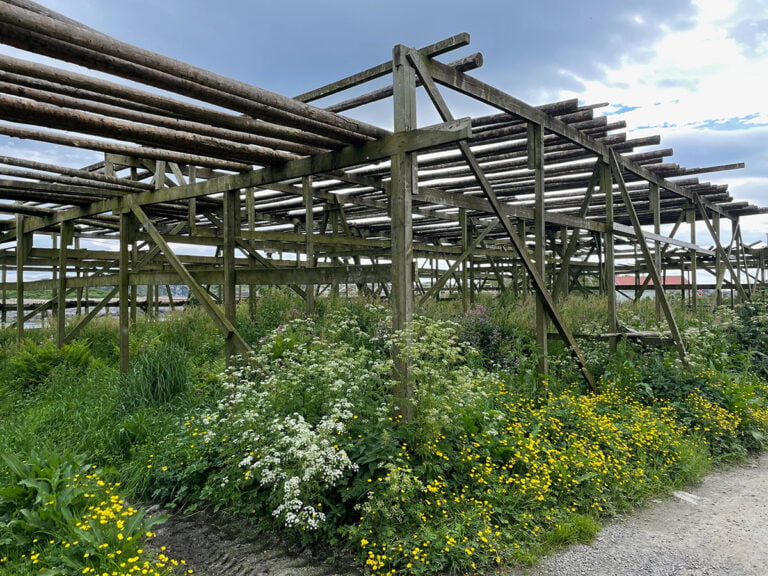
For centuries, the seasonal cod fishery has shaped settlement, trade and everyday life here. The combination of fish-rich waters and a climate suited to naturally drying cod helped turn stockfish into one of Norway's most important historic exports.
By around the year 1100, stockfish production had already become significant enough to support the growth of Vágar, regarded as Northern Norway's first medieval town.
Stockfish later became deeply connected with the trade networks linking Northern Norway with Bergen and continental Europe. The tradition continues today.
Cod still hangs to dry naturally on racks during the season, producing stockfish using a preservation technique with roots stretching back more than a millennium.
So take some time away from the viewpoints. The more you understand the working history of Lofoten, the more interesting the landscape becomes.
Eating and shopping in Lofoten
Lofoten may be remote, but you won't need to fill your car with groceries before crossing into the islands.
There are supermarkets in the main settlements and a growing choice of cafés and restaurants, particularly in places such as Svolvær, Leknes, Henningsvær and Reine.
Seafood naturally plays a starring role, with cod, stockfish and other locally caught fish appearing on menus. Lofoten also has locally produced meat, cheese and other regional ingredients.
However, this is still rural Northern Norway. Smaller communities may have limited opening hours and restaurants can be very busy during peak season. Outside the main visitor periods, some tourism-oriented businesses reduce their hours or close.
If you're staying in a rorbu or apartment, having access to a kitchen can be useful both for convenience and for keeping costs under control. Norway is an expensive destination, and Lofoten is certainly no exception.
Travel responsibly in Lofoten
The global popularity of Lofoten has created challenges alongside opportunities.
Thousands of visitors are drawn to small fishing communities, narrow roads and fragile landscapes that were never designed to function like major tourist resorts.
A little common sense goes a long way. Park only where permitted. Never use passing places on narrow roads as parking spaces. Don't block private driveways. Use designated toilets and waste facilities. Follow local signs and restrictions.
If you're camping, remember that Norway's right to roam does not mean you can camp literally anywhere. Rules concerning distance from occupied buildings, farmland and local restrictions still apply, and several parts of Lofoten have specific measures designed to manage camping pressure.
Drone users should also check the rules carefully. Restrictions apply around airports and some protected areas or activities may require additional permission.
Above all, remember that those perfect little villages aren't film sets. People live there. People work there.
Fishing boats need access to harbours, residents need to get to their homes and farmers need to use their land. Lofoten is spectacular precisely because it remains a real place. Treating it like one is part of being a responsible visitor.
Planning your first trip to Lofoten
So what does a sensible first Lofoten trip actually look like?
If you only have a few days, choose one base. Work out which part of Lofoten matters most to you and explore that area properly. With four or five days, consider staying in one central location or splitting your time between eastern/central Lofoten and the far west.
If you arrive on the ferry at Moskenes, it makes sense to begin with Reine, Å and western Lofoten. If you arrive at Svolvær, Leknes or Evenes, think carefully before planning a huge drive immediately after landing or immediately before your flight home.
In winter, give yourself additional flexibility. Have alternatives for days when the weather changes your plans, and avoid judging the entire holiday on whether the northern lights make an appearance.
In summer, book accommodation and rental cars early and take advantage of the long evenings to visit popular places outside the busiest hours.
Whatever the season, don't try to optimise every minute. The temptation is understandable. Lofoten contains so many famous places within a relatively small area that it's easy to turn a holiday into an exercise in collecting them. Resist it.
Lofoten Travel Resources
🛏️ Find the right hotels and accommodation for you
🚘 Find the best rates on car rental in Lofoten
👣 Discover the best Lofoten tours and experiences
🤕 Make sure you're covered with comprehensive travel insurance
Lofoten rewards those who slow down
Lofoten really is one of Norway's most spectacular regions. But the best trips aren't built only around spectacular photographs. They're built around realistic planning.
How will you get there? Where will you stay? How much driving are you comfortable with? Which season actually suits what you want to do? What happens if the weather changes your plans?
Get those decisions right and Lofoten can be unforgettable. Get them wrong and it's surprisingly easy to spend much of your holiday stressed, rushed or sitting in a car trying to reach the next place on your list.
So, my final advice is simple. Slow down. Plan carefully. Respect the place. And leave some room for Lofoten to surprise you.