
Have you ever heard of surströmming? Sweden’s famously pungent fermented herring has developed a global reputation as one of the world’s most challenging foods. Some swear by it. Many run a mile.
Our tour of Scandinavia continues, but this time we’re not focusing on where to go. Instead, we’re diving into something to taste. Or perhaps something to approach with caution.
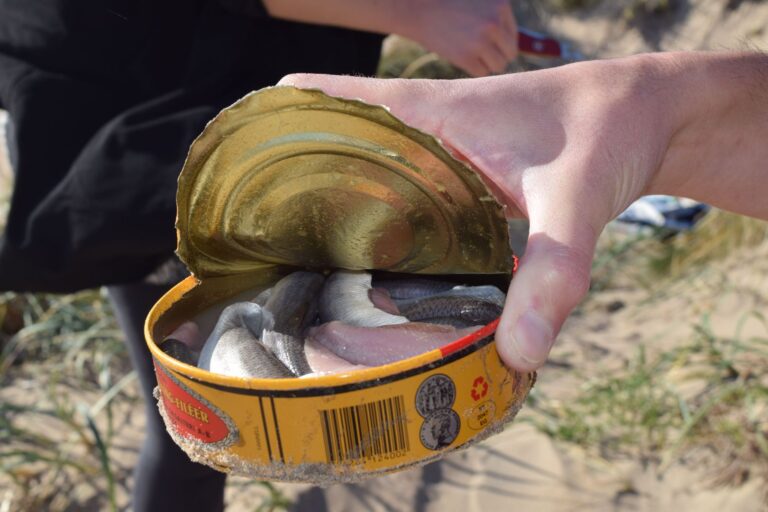
Either way, surströmming is one of those cultural experiences that says as much about Nordic history as it does about modern internet culture.
Sweden is known for crowd-pleasing classics such as meatballs, cinnamon buns, and late-summer crayfish parties.
Yet beyond those familiar flavours lies a dish that remains stubbornly niche, even within Sweden itself. Surströmming is not just food. It is tradition, identity, and, for many, a test of bravery.
What is Surströmming?
At its core, surströmming is Baltic herring that has been lightly salted and left to ferment. The process begins in spring, when the fish are caught before spawning. They are placed in a weak brine solution, allowing fermentation to begin rather than preventing it entirely.
After several months, the partially fermented fish are transferred into cans, where the process continues. This is why the cans often bulge slightly. It’s not a packaging flaw. It’s a sign that fermentation is still active.
The result is a soft, acidic fish with a smell that has become legendary. Descriptions range from “rotten eggs” to something far less printable. Yet for those who grew up with it, the aroma is simply part of the experience.
Traditionally, surströmming is not eaten on its own. Instead, it is served in thin flatbread, often tunnbröd, alongside boiled potatoes, sour cream, chopped red onion, chives, and dill.
The idea is balance. Salt, fat, and freshness all work together to soften the intensity of the fish.
A Dish That Demands Respect
There is a reason you rarely see surströmming opened indoors. The gases produced during fermentation create a powerful odour the moment the can is pierced.
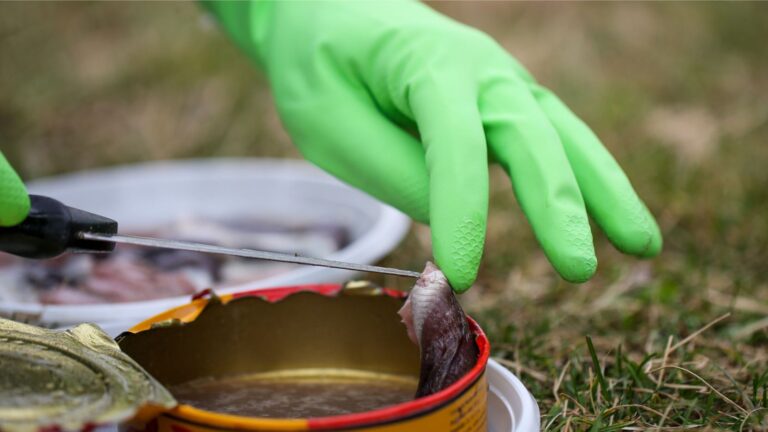
For that reason, it is customary to open it outside, sometimes even underwater to reduce the impact. What follows is often a mix of anticipation, laughter, and, occasionally, regret.
This ritual has become part of the tradition. Opening the can is not just preparation. It is a shared moment that sets the tone for everything that follows.
A Trip to the Disgusting Food Museum
Located in Malmö, Sweden, the Disgusting Food Museum showcases surströmming as one of its main attractions. The museum explores unusual and often challenging foods from around the world, and the Swedish delicacy is one of its headline exhibits.
Museum director Andreas Ahrens explains the experience clearly: “Upon opening a can, the overpowering scent is immediate and unmistakable.”
That smell comes from a mix of chemical compounds produced during fermentation, including hydrogen sulphide and butyric acid. In simple terms, it is a perfect storm of aromas that the human brain is wired to treat as a warning sign.
Surströmming is far from alone in the museum. Visitors can encounter Peru’s roasted guinea pig (cuy), Iceland’s fermented shark (hákarl), and Sardinia’s infamous casu marzu, a cheese known for containing live insect larvae.
Yet surströmming stands out even among this crowd. As Ahrens notes, “Many try, but promptly spit it out, unable to bear the taste.” Around half of visitors who sample it reportedly feel unwell. Whether that reaction is physical or psychological is another question entirely.
Does It Really Smell That Bad?
Short answer: yes.
A Japanese study from 2002 analysed a range of strong-smelling foods and found surströmming to be among the most pungent. It ranked above Korean fermented skate and Japanese nattō, both of which already have reputations for challenging aromas.
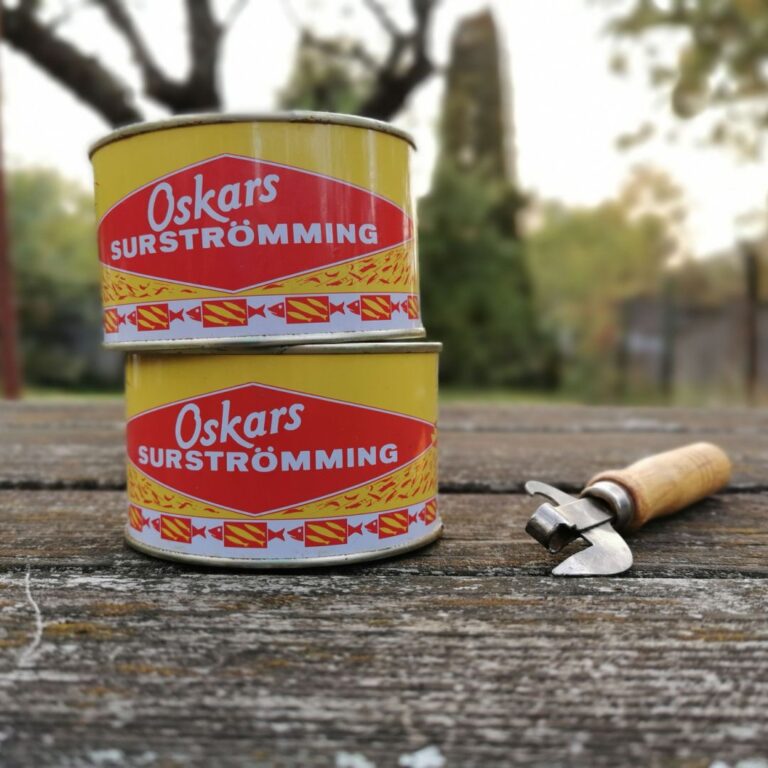
Part of the reason lies in the fermentation process itself. Unlike many preserved foods, surströmming continues to develop inside the can, creating a concentrated mix of volatile compounds. Once released, there is no subtle way to experience it.
This intensity has even led to practical restrictions. Some airlines have banned surströmming from checked baggage due to the risk of cans bursting under pressure.
From Local Tradition to Global Curiosity
For decades, surströmming remained a largely regional speciality, most strongly associated with northern Sweden. That changed with the rise of YouTube and social media.
The so-called “surströmming challenge” has become a viral phenomenon, with videos showing first-time tasters reacting, often dramatically, to the smell and taste. Many of these clips follow a familiar pattern: curiosity, confidence, then immediate shock.
Companies such as The Swedish Surströmming Supplier have leaned into this attention, shipping cans worldwide and promoting the experience as a kind of culinary dare.
Despite the reactions, not everyone rejects it outright. Some participants report that once the initial smell fades, the flavour is surprisingly complex, salty, and even enjoyable. Others never get that far.
Why Does Surströmming Exist?
Given its reputation, it is fair to ask why surströmming exists at all. The answer lies in necessity. Before refrigeration, preserving fish through the long Scandinavian winters was essential.
Salting was the most common method, but salt was expensive in parts of Sweden during the 16th century. Using less salt allowed fermentation to take hold, creating a product that would last without requiring large quantities of this valuable resource.
Over time, what began as a practical solution became a tradition.
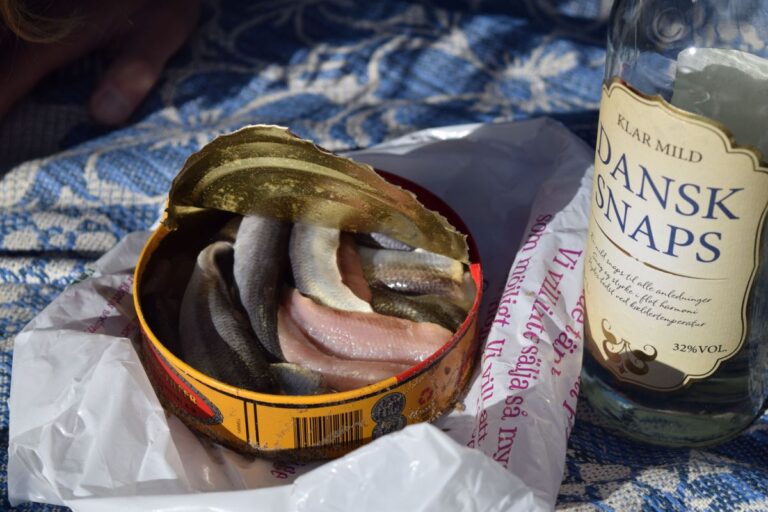
There is even a historical rhythm to its consumption. For many years, a royal decree prohibited the sale of surströmming before the third Thursday of August. While that law has long since disappeared, the date still marks the unofficial start of the season.
The Surströmming Season
Today, surströmming is closely tied to late summer. August and September see gatherings known as surströmmingsskiva, particularly in northern Sweden.
These events are social occasions first and culinary experiences second. Friends and family gather outdoors, plates are piled high with flatbread and potatoes, and the fish takes its place at the centre of the table.
As Ahrens explains, “to counterbalance the intense flavour, it’s often paired with spirits like aquavit, bitters, or vodka.”
Whether the alcohol is for tradition or courage depends on who you ask.
A Surströmming Party Experience
Attending a surströmmingsskiva is not something you forget in a hurry.
There is a sense of theatre to the whole occasion. The careful opening of the can, the reactions from newcomers, the shared laughter. It is messy, informal, and deeply rooted in Swedish culture.
Importantly, those who enjoy it rarely treat it as a gimmick. For them, surströmming is part of a seasonal ritual, much like crayfish parties or Christmas smorgasbords. The smell may dominate headlines, but the experience is about much more than shock value.
Should You Try It?
That depends entirely on your appetite for adventure.
If you approach surströmming expecting a pleasant, refined seafood dish, you will likely be disappointed. If you see it as a cultural experience, something to understand rather than simply consume, it becomes far more interesting.
At the very least, it offers a window into Scandinavia’s past and a reminder that many of today’s traditions began as solutions to everyday challenges.
Whether your memory of it ends in appreciation or a quick search for fresh air is another matter entirely.
Have you tried surströmming on a visit to Sweden, or somewhere else? Let us know your thoughts and experiences in the comments below.


Hey there David,
Yes, I have tried surstrømming and at first, I did not like it but being a true Norse woman I came back for more. This time I also had a glass of Aquavit along with my sandwich bite and liked `it` better! I have to agree though, it is a taste one have to `grow up` with. It`s like gamal ost in Norway, this is also a `special` taste some don`t like.
OK then, I`ve had my say!
Randi