
Northern Norway is one of Europe’s most spectacular travel regions, but many visitors underestimate its size, seasons, weather, and sheer variety.
Northern Norway has a way of capturing the imagination.
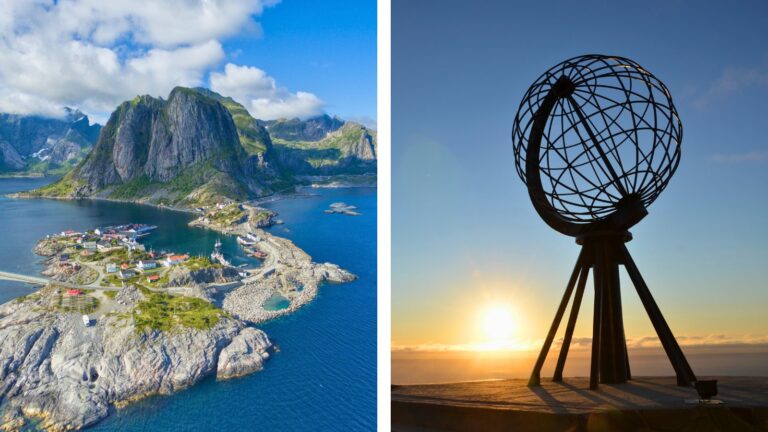
For some visitors, it means the northern lights over Tromsø. For others, it means the jagged mountains and fishing villages of Lofoten, the North Cape at the end of Europe, or a summer road trip beneath the midnight sun.
Add in Sámi culture, whale watching, Arctic wildlife, island hopping, and coastal ferries, and it is easy to see the appeal. But it is also easy to misunderstand.
Northern Norway is often marketed as one big Arctic adventure playground. In reality, it is a vast, varied, and sometimes demanding part of the country.
A good trip to Northern Norway can be unforgettable. A badly planned one can become expensive, exhausting, and disappointing very quickly. Here are some of the things tourists most often get wrong about Northern Norway.
Thinking Northern Norway Is One Place
The biggest mistake is treating Northern Norway as a single destination. It is not. Far from it, in fact!
Northern Norway usually refers to the three northernmost counties of mainland Norway: Nordland, Troms, and Finnmark. That means a region stretching from the Helgeland coast, far below Lofoten, all the way to the Russian border.
🇳🇴 Northern Norway Travel Resources
🚘 Get rates and availability for car rental in Tromsø
🛏️ Find rates and availability for accommodation in Tromsø
👣 Find and book guided tours in Tromsø
🚨 Make sure you're covered with travel insurance
📞 Get help planning with my travel consulting calls
It covers a huge area, with long distances between places and very different landscapes along the way.
There are busy cities, remote islands, fishing communities, mountain ranges, wide open plateaus, deep fjords, forests, national parks, and long stretches of road where the next service station can be farther away than expected.
Lofoten is an island landscape of sharp peaks, beaches, fishing villages, and narrow roads. Tromsø is a lively Arctic city surrounded by mountains and fjords.
Alta has rock carvings, northern lights tourism, river culture, and access to the Finnmark plateau. Bodø is a coastal city with ferries, food, culture, and Saltstraumen nearby.
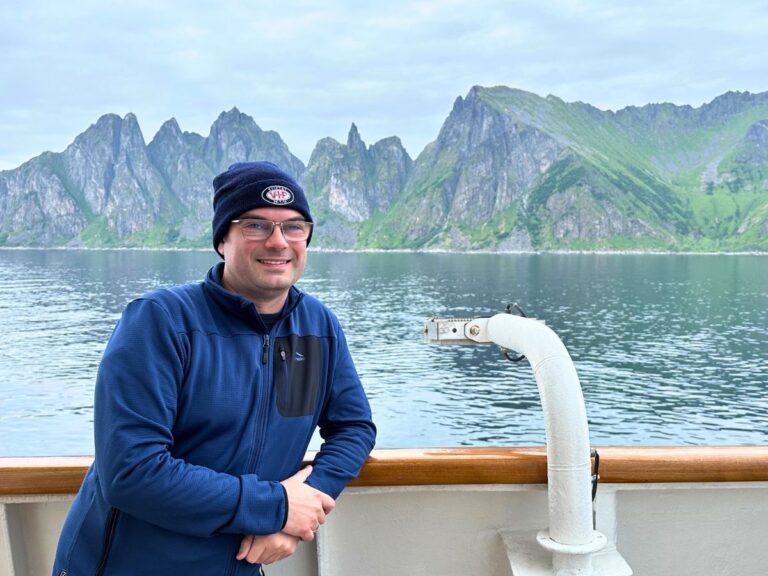
Senja is wild, dramatic, and still quieter than Lofoten in many places. As are he nearby islands of Vesterålen. The Helgeland coast has thousands of islands and a completely different feel again.
You cannot understand Northern Norway by looking at one photo of Reine or one northern lights tour in Tromsø. The region is too big and too varied for that.
Trying To See Too Much In Too Little Time
This is the mistake I see again and again. Someone plans to fly into Tromsø, see the city, rent a car, drive to Senja, continue to Lofoten, visit Reine, maybe stop in Vesterålen, return the car, and perhaps squeeze in Alta or the North Cape too. In five days.
On a map, Northern Norway can look manageable. In reality, roads are slower than many visitors expect. Ferries may be involved. Weather can change your plans. Distances are longer than they appear. Scenic roads invite stops. In winter, driving can be tiring and stressful.
Even in summer, a packed itinerary can become a blur of roads, check-ins, and quick photo stops.
If you have one week, choose one region and do it properly. Spend the week in Lofoten and Vesterålen, or Tromsø and Senja, or Bodø and Helgeland, or Alta and parts of Finnmark.
If you have two weeks, you can start to combine regions in a more satisfying way. Northern Norway rewards time. It is not a place to rush.
Lofoten Is Great, But It Needs Thought
Lofoten is famous for good reason. The scenery is extraordinary, the fishing villages are memorable, and the combination of mountains, beaches, bridges, and red cabins is hard to beat.
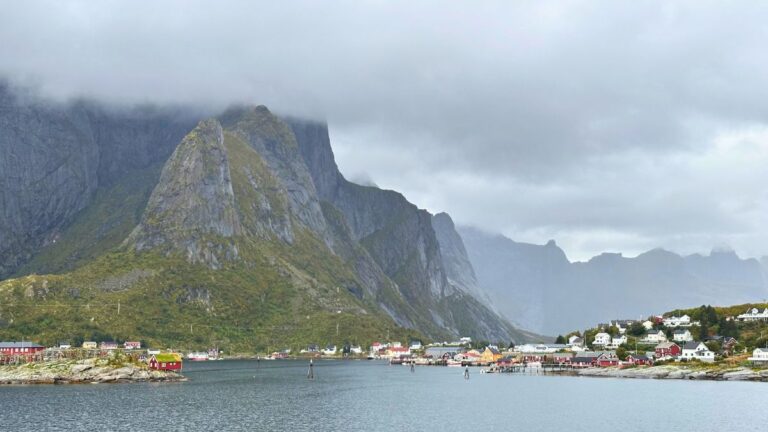
But that does not mean Lofoten is automatically the right choice for every Northern Norway trip.
This is where many visitors get stuck. They see photographs of Reine, Hamnøy, Henningsvær, and white-sand beaches beneath sharp mountain peaks, then decide that Lofoten must be included no matter what.
Sometimes that makes sense. Sometimes it leads to a rushed and expensive itinerary that would have worked better elsewhere.
Because Lofoten needs time. It is not a quick add-on from Tromsø. It is not something to squeeze into two days just because it looks close enough on a map.
In summer, the most popular villages and viewpoints can be busy, accommodation can book up early, and rental cars can be expensive.
The question is not whether Lofoten is worth visiting. It absolutely is. The question is whether it fits the trip you are actually planning.
Don’t Assume Tromsø Has To Be Your Base
Tromsø is the best-known base for many international visitors to Northern Norway.
That is understandable. It has an international airport, a lively city centre, plenty of hotels, many tour operators, and a strong reputation for winter activities and northern lights trips. But Tromsø is not the only answer.
If you want a compact Arctic city break with organised tours, Tromsø is hard to beat. If you want northern lights hunting without renting a car, it is one of the easiest places to plan.
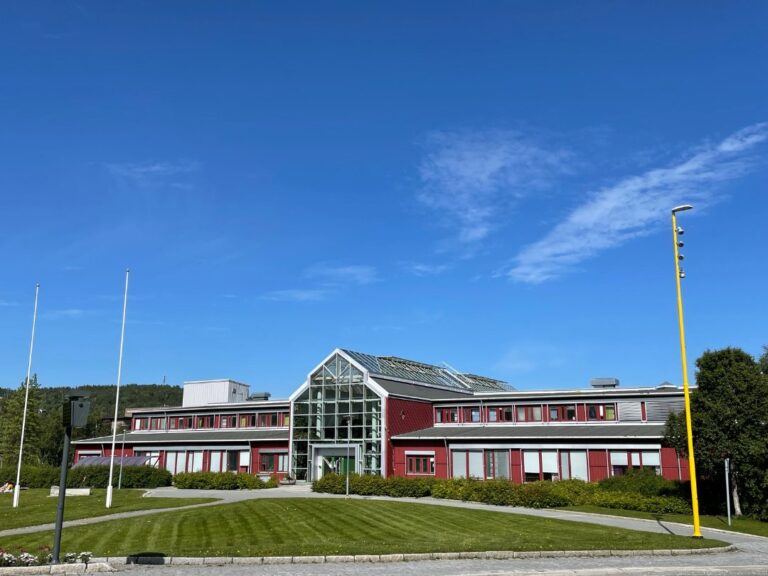
But if you want a coastal road trip, island landscapes, a quieter atmosphere, Sámi culture, whale watching, long-distance trains, or a slower summer journey, other bases may suit you better.
Don't misunderstand me. Tromsø offers Sámi culture and whale watching tours, but other places are more specialised. Tromsø is a great base for the right trip, but it is not the default base for all of Northern Norway.
Don’t Assume It’s All About The Northern Lights
The northern lights are one of the great natural experiences of the north. Seeing green light move across the Arctic sky can be unforgettable. But a Northern Norway trip should not depend entirely on them.
The aurora is never guaranteed. You need darkness, solar activity, and clear skies. The first is predictable. The second can be forecast to some extent. The third is the great challenge in coastal Norway.
Clouds are part of the deal. Snow showers, wind, rain, and rapidly changing weather can all affect visibility. That is why experienced northern lights guides often drive inland or along the coast in search of clearer skies.
This is why I always tell people to plan a winter trip they will enjoy even if the northern lights do not appear.
What many visitors remember most is not only the sky. It is the landscapes. The blue light before the sun returns. The mountains dropping into the sea. The feeling of travelling by boat through winter weather. The whales, if they are lucky. The dogsledding, snowshoeing, reindeer experiences, museums, food, Sámi culture, coastal towns, and the simple strangeness of being somewhere so far north in the darker months.
Northern Norway in winter is not a one-activity destination. The northern lights may be the headline, but they should not be the whole story.

Of course, in the summer we cannot see any northern lights in the bright northern sky. So summer is about midnight sun, long evenings, hiking, ferries, beaches, birdlife, island hopping, and coastal roads. It is a completely different kind of trip.
Forgetting That Summer Has No Darkness
In summer, much of Northern Norway has extremely long days. Above the Arctic Circle, many places experience the midnight sun, when the sun does not set for a period of time. Even south of the Arctic Circle, nights can be very light.
🇳🇴 Northern Norway Travel Resources
🚘 Get rates and availability for car rental in Tromsø
🛏️ Find rates and availability for accommodation in Tromsø
👣 Find and book guided tours in Tromsø
🚨 Make sure you're covered with travel insurance
📞 Get help planning with my travel consulting calls
This is magical in a completely different way. You can hike late in the evening, take photographs at midnight, sit outside after dinner, or drive through landscapes glowing in low summer light. But it is not northern lights season.
Summer in Northern Norway is about light, not darkness. It is about coastal drives, ferries, hiking, birdlife, beaches, kayaking, fishing villages, and a sense of energy that comes after the long winter.
If you want aurora, come in the darker months. If you want midnight sun, come in summer. You cannot experience both on the same trip.
Underestimating Northern Norway's Weather
Northern Norway’s weather is not a minor detail. It can shape the entire trip. The region stretches across coastal, island, mountain, inland, and Arctic environments. Conditions can change quickly, even in summer.
In winter, the differences are even more important. Coastal areas can be milder but stormier. Inland areas can be much colder. Snow, ice, wind, darkness, and mountain passes all affect travel.
Visiting Northern Norway means planning with the weather in mind. Always bring layers. Expect rain. Build flexibility into your itinerary. Check road conditions. Take local advice seriously.
If you are hiking, remember that “summer” does not remove the need for proper clothing and good judgment.
Thinking Winter Is Always Magical
Winter in Northern Norway can be wonderful. There are blue hours, snowy landscapes, northern lights, whale watching, dog sledding, ski touring, Christmas lights, and a deep seasonal atmosphere that many visitors find unforgettable.
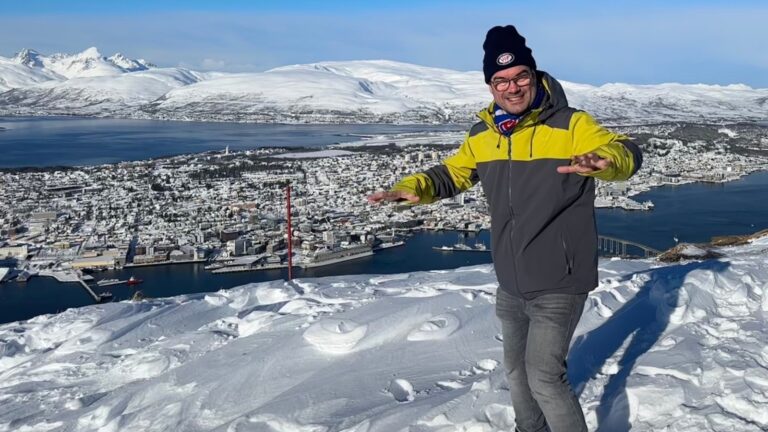
But winter is also demanding. The days can be short. Roads can be icy. Weather can cancel activities. Some places have limited opening hours. Driving takes concentration. Outdoor experiences require proper clothing.
If you are not used to snow, darkness, and cold, the first couple of days can be a shock. This is especially true for visitors who try to combine too many places.
For many visitors, a better winter plan is to choose a base and take guided trips from there. Tromsø, Alta, Bodø, and parts of Lofoten can all work well depending on your interests.
If you want to drive, keep the itinerary simple and give yourself more time than you think you need.
Thinking Summer Is Always Easy
Summer has its own challenges, of course. The weather can still be wet, windy, or chilly. Popular places can be busy, and things like availability of accommodation, rental cars, local ferries and even hiking trails can struggle under increased visitor numbers.
At the same time, summer gives you possibilities that winter cannot.
Long daylight hours make travel more flexible. Many roads and hiking trails are easier to access. Ferries and boat routes create wonderful island-hopping options. Places such as Helgeland, Vesterålen, Senja, and the area around Bodø come into their own.
Long days are useful but they do not make Northern Norway smaller.
Ignoring Helgeland
Helgeland is one of the most overlooked parts of Northern Norway, especially among first-time international visitors.
That is partly because it sits at the southern end of the region, below the most famous Arctic names. Travellers rushing north to Lofoten or Tromsø often pass through Bodø by plane or train without realising what lies to the south.
The Helgeland coast offers islands, ferries, mountains, cycling routes, coastal culture, and some of Norway’s most rewarding slow travel. Places such as Vega, Træna, Herøy, Dønna, Sandnessjøen, Brønnøysund, and the Seven Sisters mountain range offer a very different kind of northern experience.
Treating Sámi Culture As An Add-On
Northern Norway is home to important Sámi communities, traditions, languages, histories, and contemporary cultural life. This is especially visible in parts of Finnmark and inland Troms, but Sámi presence is not limited to one place or one tourist experience.
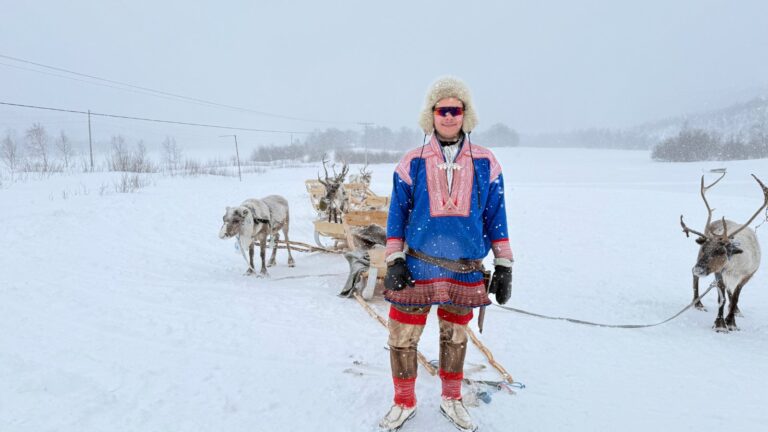
Visitors often encounter Sámi culture through reindeer experiences, museums, handicrafts, music, food, or festivals. These can be valuable introductions, especially when run by Sámi people and presented with care.
But Sámi culture is not a costume, a photo opportunity, or a simple “Arctic extra” to be added to a northern lights trip.
It is living culture, shaped by history, politics, language, land use, family, art, and identity. It also carries the weight of assimilation policies and ongoing debates over rights, resources, and representation.
For visitors, the best approach is simple. Be curious, but respectful. Choose experiences that are led by Sámi people. Learn a little before you go, and understand that one short activity cannot explain an entire Indigenous culture. Northern Norway is richer when you recognise this depth.
Assuming Public Transport Is Impossible
Public transport in Northern Norway is more useful than many visitors realise.
You can take the train as far north as Bodø. From there, ferries, express boats, local buses, and the coastal route connect many places. In summer, some tourist-friendly services make it easier to travel between Tromsø, Senja, Vesterålen, and Lofoten.
Express boats can be faster and more scenic than driving in some coastal areas.
For travellers who enjoy planning, public transport can be part of the adventure. But the opposite assumption is also wrong. Public transport is not always easy.
Schedules can be limited and connections may not line up perfectly. Some rural areas are difficult to reach without a car, and a route that looks simple online may involve a long wait, a seasonal service, or no practical onward connection.
The realistic answer is somewhere in the middle. Public transport works well for some Northern Norway trips, especially if you build the itinerary around it from the start.
Assuming A Car Solves Everything
A car gives flexibility in Northern Norway, especially in summer. For Lofoten, Senja, Vesterålen, Helgeland, and inland Finnmark, driving can make it much easier to reach viewpoints, trailheads, beaches, small villages, and accommodation away from the main towns. But a car does not solve every problem.
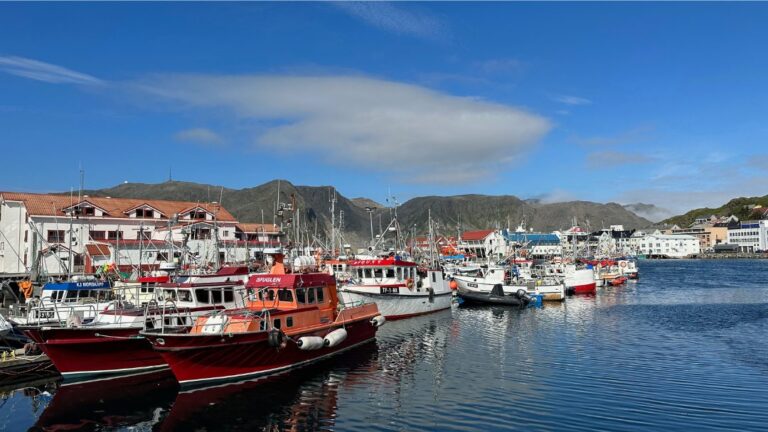
Distances are long. Roads can be narrow. Ferries need planning. Fuel stations may be far apart in remote areas. Parking can be limited in popular places. Some small communities were not designed for large numbers of rental cars, campervans, and roadside photo stops.
Even in summer, it is easy to create driving days that look reasonable on a map but feel tiring in reality.
The roads are often scenic, but that is part of the issue. You will want to stop. The weather may slow you down. A ferry may not line up perfectly with your plan. A short detour can take much longer than expected.
If you rent a car in summer, build the itinerary around realistic driving days. Do not treat Northern Norway like a motorway network. Allow time for weather, ferries, unplanned stops, and simply enjoying the place you came to see.
Renting A Car In Winter? Read This First
This deserves to be said clearly: most first-time visitors should think very carefully before hiring a car in Northern Norway in winter.
That does not mean nobody should drive. Many people do, including visitors with experience of winter roads. Rental cars should be equipped for winter conditions, and a car can be useful on some carefully planned trips.
But winter driving in Northern Norway is not ordinary holiday driving.
Roads can be icy, snowy, narrow, dark, and exposed to sudden weather changes. Visibility can disappear quickly. Strong winds can affect exposed bridges and coastal roads. Reindeer and other animals may appear on the road. Stopping distances are longer. Daylight is limited for part of the season. Conditions can change between one side of a tunnel and the other.
This has become a serious topic in Northern Norway. Local media and officials have raised concerns about accidents involving foreign drivers in winter conditions, especially as more tourists travel north for the northern lights.
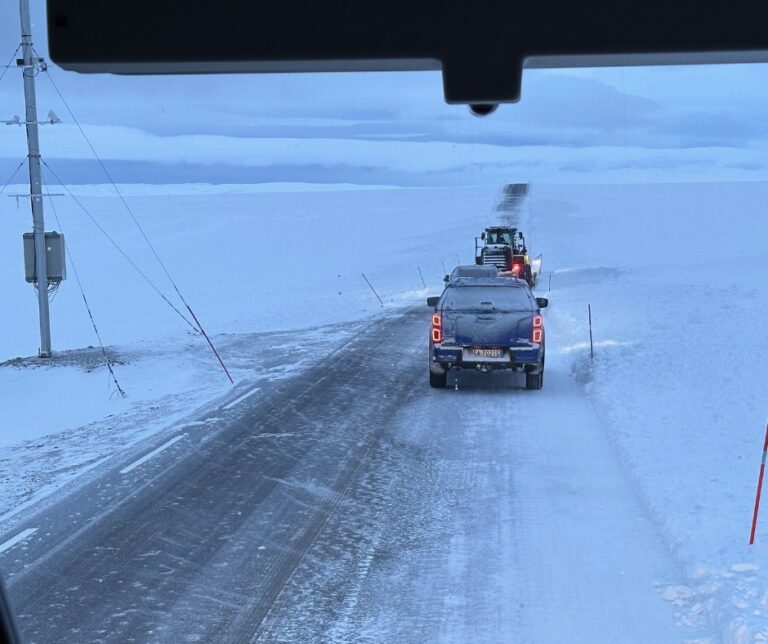
The problem is not that visitors are careless by nature. It is that many are unfamiliar with the combination of ice, darkness, narrow roads, changing weather, and local driving expectations.
A winter rental car can also create false confidence. Winter tyres help, but they do not remove risk. Studded tyres help, but they do not make icy roads simple. Four-wheel drive can help you move, but it does not help you stop quickly on ice.
If you have never driven on snow and ice, Northern Norway is not the place to learn.
Forgetting That People Live Here
This may be the most important point of all. Northern Norway is a travel dream for many visitors, but it is also home.
People live, work, study, raise families, run businesses, fish, farm, teach, drive buses, staff hospitals, repair roads, and keep communities going through long winters and busy summers.
Most people in Northern Norway are used to visitors, and many communities benefit from tourism. But tourism works best when visitors remember that they are guests in real places.
Respect private property. Do not block roads for photographs. Use campsites where appropriate. Follow local signs. Keep a respectful distance from wildlife and livestock. Spend money with local businesses. Be patient when weather, ferries, or logistics do not go your way.
The north will feel much more rewarding if you approach it as a living region, not a collection of content locations.
🇳🇴 Northern Norway Travel Resources
🚘 Get rates and availability for car rental in Tromsø
🛏️ Find rates and availability for accommodation in Tromsø
👣 Find and book guided tours in Tromsø
🚨 Make sure you're covered with travel insurance
📞 Get help planning with my travel consulting calls
How To Plan Northern Norway Properly
The best Northern Norway trip starts with a simple question: what kind of north do you want? Choose the season carefully. And most importantly, give yourself time.
Northern Norway is not a place to collect quickly. It is a place to experience slowly, with respect for distance, weather, seasons, and local life. Plan it well, and it can be one of the most memorable trips you will ever take.
If you're struggling planning your itinerary for Northern Norway, I can help. I've lived in Norway for 15 years and travel extensively. I offer travel consulting calls to help you shape your dream trip.