
The Scandinavian love of coffee is well known. But in Sweden, coffee breaks are something more. Through a Norwegian lens, we explore fika, a daily ritual built on coffee, conversation, and connection.
Gaining popularity in an age of Instagram-perfect pastries and globally shared lifestyle trends, the Swedish tradition known as fika is becoming increasingly recognised far beyond Scandinavia.
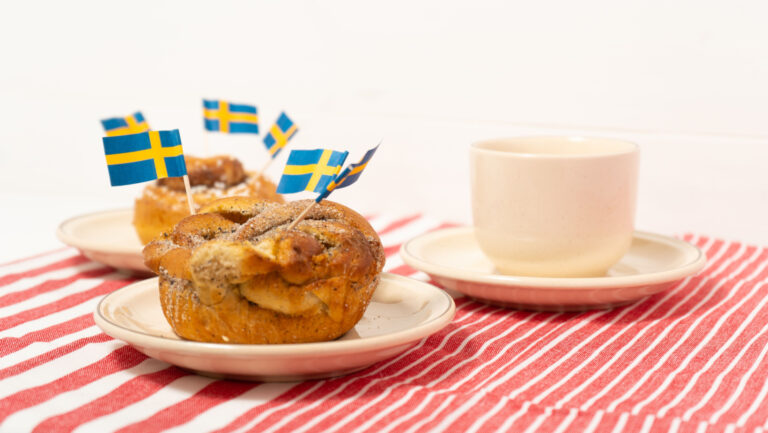
At first glance, it can seem simple enough: coffee and something sweet, enjoyed with others. But spend any time in Sweden, and it quickly becomes clear that fika is something far deeper.
To me, the closest comparison is the cultural significance of afternoon tea in the UK. Not the occasional luxury experience, but the everyday ritual it once was: expected, social, and quietly important.
Given Norway’s close cultural ties with Sweden, it raises an obvious question. Do Norwegians do fika too?
The answer is… sort of. But not quite in the same way.
What is Fika?
Fika is often described as a coffee break. But to Swedes, that description barely scratches the surface.
It is not a random pause in the day, nor simply a caffeine fix. Fika is a deliberate break, taken with intention, and almost always shared with others.
Yes, there is usually coffee. Yes, there is often something sweet, such as a cinnamon bun (kanelbulle) or a slice of cake. But these are supporting actors, not the main event.
The real purpose of fika is to slow down, step away from whatever you are doing, and spend time in conversation.
Ask ten Swedes what fika means, and you will likely receive ten slightly different answers. But a common thread runs through them all: it is about connection.
The podcast, A Swedish Fika, eloquently describes it as a moment to “recharge your batteries, relax for a bit, and collect yourself to continue with your day,” while Swedish food company Himmelsö romanticizes it as a “heart-warming, gentle, and delightful means of uniting people.”
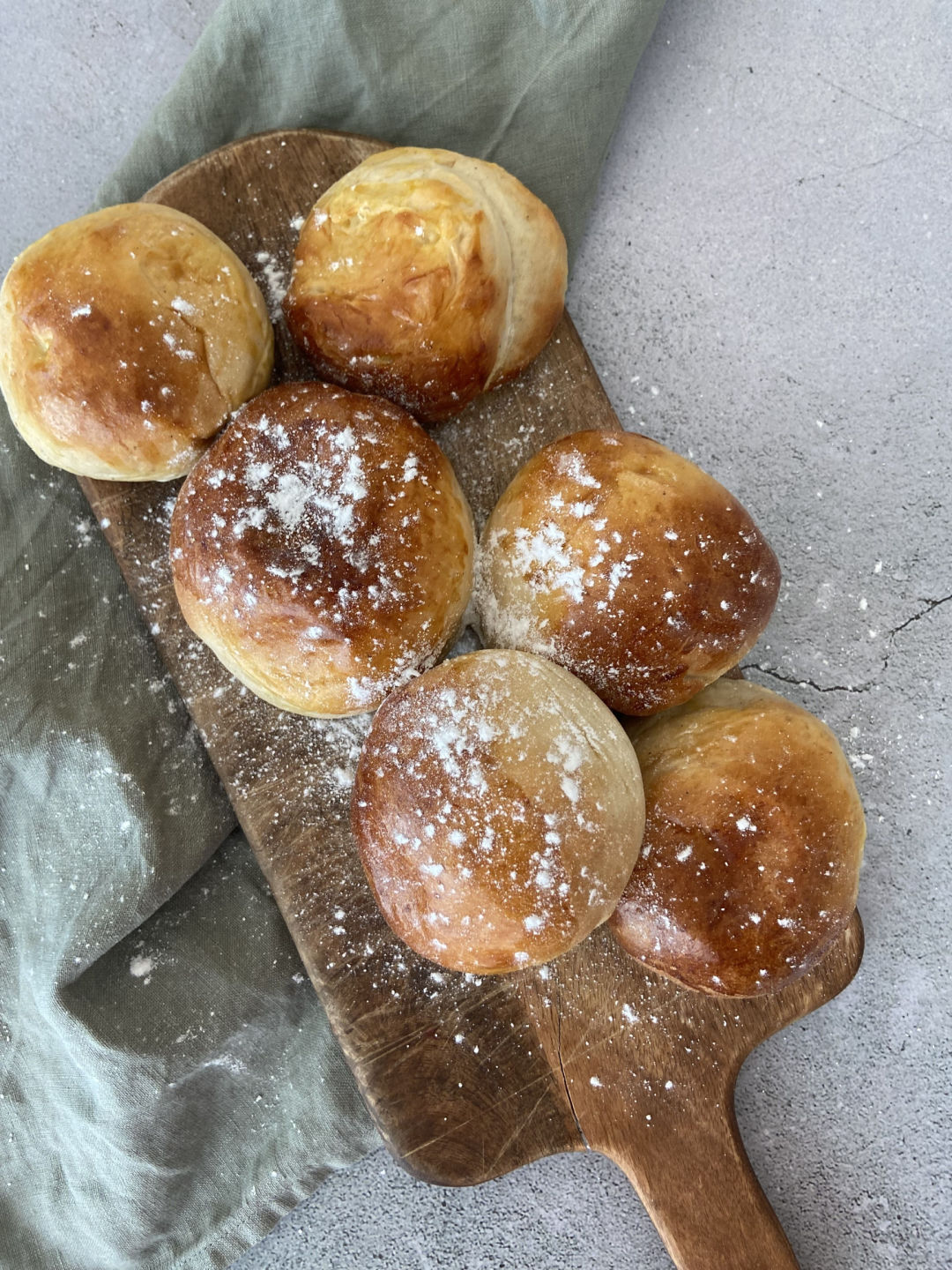
It is a chance to pause, recharge, and reset before continuing the day. Not alone at your desk, but together with others.
The Origins of Fika
While fika feels timeless, its roots are surprisingly practical.
The word itself is believed to come from a playful inversion of the Swedish word for coffee, kaffi, dating back to 19th-century slang. Over time, the word evolved to describe not just the drink, but the social ritual surrounding it.
Coffee arrived in Sweden in the 18th century and quickly became popular, despite repeated attempts by authorities to ban it due to concerns about health and productivity. These bans largely failed, and coffee drinking became deeply embedded in Swedish life.
By the late 19th and early 20th centuries, industrialisation brought structured working hours, and with it, the emergence of regular breaks. These pauses gradually took on a social dimension, eventually forming the foundation of what we now recognise as fika.
Today, fika is so ingrained in Swedish culture that it is not unusual for it to be written into workplace routines, school schedules, and even informal social expectations.
Swedish Fika in the Workplace
Nowhere is fika more embedded than in Swedish working life.
In many offices, fika happens once or even twice a day, often at roughly the same time each morning and afternoon. And crucially, it is treated as a legitimate part of the working day, not a distraction from it.
Unlike the typical “grab a coffee and rush back” culture seen elsewhere, fika is unhurried. People gather, sit down, and talk. Conversations often drift away from work entirely.
This has a subtle but important effect. Fika helps flatten workplace hierarchies, encouraging interaction between colleagues who might not otherwise connect. Managers and junior staff sit side by side, sharing the same table and the same break.
There is often a rota system too, with colleagues taking turns to bring in baked goods. Homemade cakes are common, and there is a quiet pride in contributing something to share.
Interestingly, some Swedish companies actively protect fika time, recognising its role in improving morale, communication, and even productivity. It acts as a kind of informal meeting space, where ideas can be exchanged more freely than in structured settings.
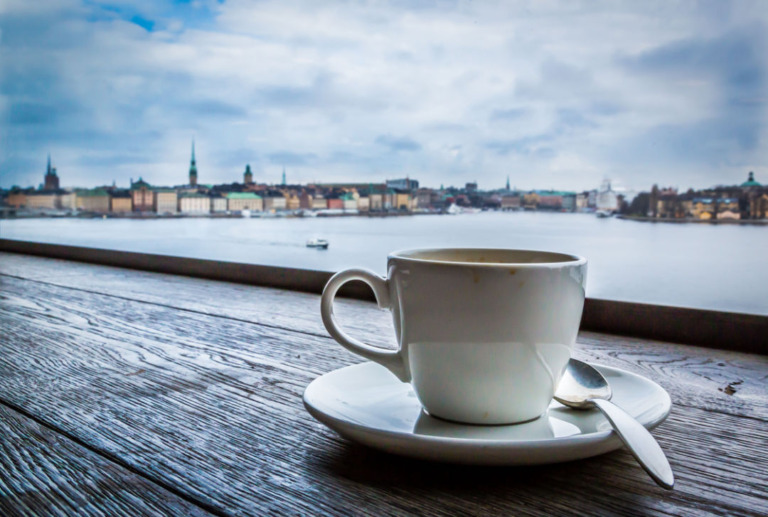
For newcomers and expats, fika can be one of the easiest ways into Swedish social life. In societies often perceived as reserved, this structured social moment provides a natural space to connect.
Reflecting on her cultural immersion, Sarah Wiggins, an American student studying in Stockholm, expressed that earnestly embracing fika allowed her to “take life a bit slower and prioritize building meaningful relationships that greatly shaped her study abroad journey.”
What Does Swedish Fika Consist Of?
If you browse fika cookbooks or social media, you might assume there are strict rules about what should be served. In reality, fika is flexible.
Coffee is almost always present, typically strong, black filter coffee rather than espresso-based drinks. In fact, Sweden consistently ranks among the world’s highest coffee consumers, alongside Finland and Norway.
As for food, sweet treats dominate. Cinnamon buns are the classic choice, but you will also find cardamom buns, sponge cakes, biscuits, and pastries of all kinds. Seasonal treats also play a role, such as semla buns before Lent.
Savoury options do appear occasionally, particularly in more modern or health-conscious settings, but they are less central to the tradition.
What matters most is not what is served, but the effort behind it. Homemade is appreciated. Thoughtfulness counts.
And while cafés play an important role, many Swedes would argue that the true spirit of fika is best experienced at home, around a kitchen table, with time to linger.
Fika as a Social Ritual
To understand fika properly, it helps to see it not just as a habit, but as a form of social infrastructure. In Sweden, where social boundaries can sometimes feel more defined than in southern Europe, fika provides a built-in mechanism for connection.
It creates a predictable, low-pressure setting in which people can interact. You don’t need a special reason to meet. You don’t need an agenda. The act of taking fika is reason enough.
This is particularly important in workplaces and educational settings, where fika helps build trust over time.
It is also notable that fika is inclusive. While it is often social, it can also be solitary when needed. Sitting alone with a coffee and a pastry, intentionally taking a break, can still be considered fika. In that sense, it balances social connection with personal wellbeing.
A Cultural Touchstone
Fika is not just a habit. It is a reflection of Swedish values. At its core, it aligns closely with the concept of lagom, often translated as “just the right amount.” Not too much work, not too much rest, but a balance between the two.
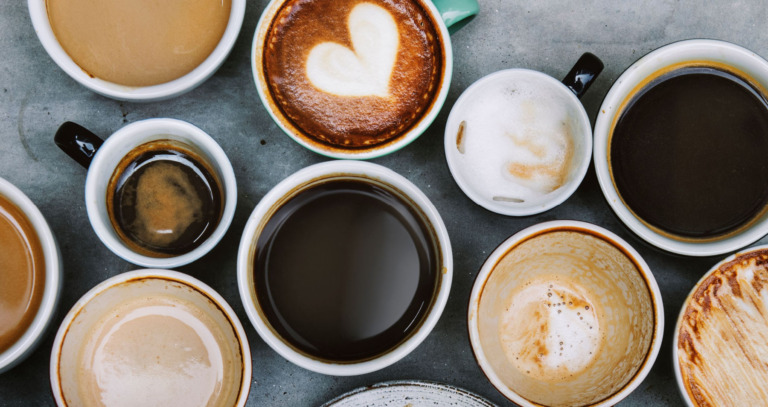
In this sense, fika becomes a small but powerful expression of a broader cultural mindset. It prioritises wellbeing, social connection, and balance in everyday life.
It also ties into wider Nordic ideas around quality of life. Rather than chasing constant productivity, there is an emphasis on sustainability, both in work and in personal energy.
In a world increasingly dominated by screens, notifications, and constant busyness, fika offers something quietly radical: permission to pause. Not for efficiency. Not for optimisation. But simply to be present.
Fika in Norway
So, how does all of this compare to Norway? On the surface, there are clear similarities. Norwegians are among the world’s biggest coffee drinkers, and social coffee breaks are a familiar part of daily life.
Walk into many Norwegian workplaces, and you will find informal traditions that echo fika. Friday cake rotas are common. Waffles often make an appearance. Coffee machines are central gathering points.
But there is a key difference. In Norway, this culture doesn’t have a single defining word. The closest equivalent is kaffepause, which simply means “coffee break.” And that difference matters.
Without a defined concept like fika, the ritual in Norway tends to be less formalised, less protected, and often more closely tied to the flow of the working day. It can be shorter, more functional, and easier to skip when things get busy.
There is also arguably less expectation that the break should be social. Many Norwegians will happily grab a coffee and return to their desk.
That said, the underlying values are not so different. The idea of taking time to connect, to slow down, and to share something simple with others is very much alive. It just isn’t branded, structured, or culturally reinforced in quite the same way.
How to Experience Fika as a Visitor
For visitors to Sweden, fika is one of the easiest cultural traditions to experience, but also one of the easiest to misunderstand. The key is to slow down.
Rather than grabbing a takeaway coffee, sit down. Choose somewhere comfortable. Order a coffee and something small to eat, and take your time.
If you are travelling with others, lean into conversation. If you are alone, treat it as a moment to pause rather than scroll through your phone. Timing matters too. Late morning and mid-afternoon are classic fika times, and cafés will often feel busiest then.
If you have the opportunity to experience fika in a home or workplace setting, take it. This is where the tradition feels most authentic. And if someone offers homemade cake, it’s generally best to accept.
Global interest in fika
Fika has travelled well. From themed cafés in North America to lifestyle books and social media trends, the concept has been embraced as part of a broader fascination with Nordic living.
One such example is the bar and café within the Nelson Cultural Center of the American Swedish Institute in Minneapolis, named Fika.
Part of the appeal is obvious. In a fast-paced, hyper-connected world, fika represents something many people feel they are missing.
Time.
Time to pause. Time to talk. Time to enjoy something simple without distraction.
Yet despite its growing global popularity, fika remains distinctly Swedish at heart. It is shaped by cultural norms, workplace structures, and social expectations that are not easily replicated elsewhere.
More Than Just a Coffee Break?
Ultimately, fika is not just about coffee. Nor is it about cake. It is about intention. It is about choosing to step away from the noise of daily life, even briefly, and reconnect with the people around you.
Whether in a busy Stockholm office, a quiet kitchen at home, or even adapted into your own daily routine, fika offers a simple reminder.
Slow down.
Make time.
And don’t underestimate the value of a shared coffee.