

The simplistic, minimal, functional design philosophy that originated in the Nordic countries has become hugely influential around the world.
It sometimes feels as if half the world suddenly woke up and decided to paint their walls white, buy a pale wood dining table and arrange houseplants in simple clay pots.
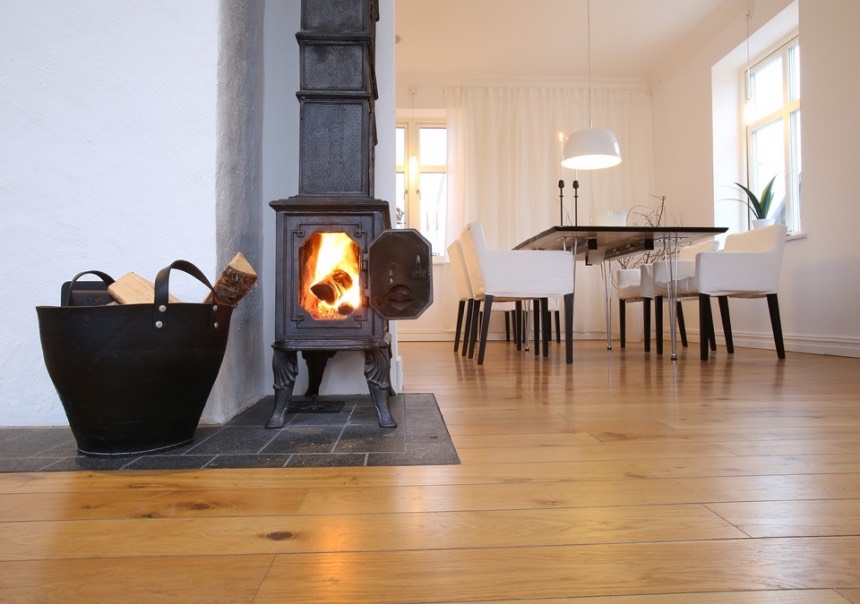
Scandinavian design has become so familiar that it is easy to forget why it emerged in the first place, and why it continues to resonate far beyond the Nordic region.
The short answer is that Scandinavian design is rooted in everyday life. It comes from a place where winters are long, daylight is scarce, and homes traditionally needed to feel both practical and comforting.
Over the decades, this way of thinking created a design philosophy where simplicity is not about austerity. Instead, it is about clarity, craftsmanship and creating spaces that feel calm to live in.
A quick note before we go further. In this article, Scandinavian and Nordic design are used loosely. Strictly speaking, Scandinavia refers to Norway, Sweden and Denmark, whereas the Nordic region also includes Finland and Iceland.
All the Nordic countries, however, share many overlapping design values. For the sake of clarity, we will stick with Scandinavian design here, knowing that the boundaries are flexible.
What is Scandinavian Design?
At its core, Scandinavian design is about finding the balance between functionality and beauty.
Objects should be pleasant to use as well as to look at. Storage solutions should be clever. Chairs should feel good to sit in. A lamp should cast the right kind of light. The result is a style that is honest, unfussy and built on purpose.
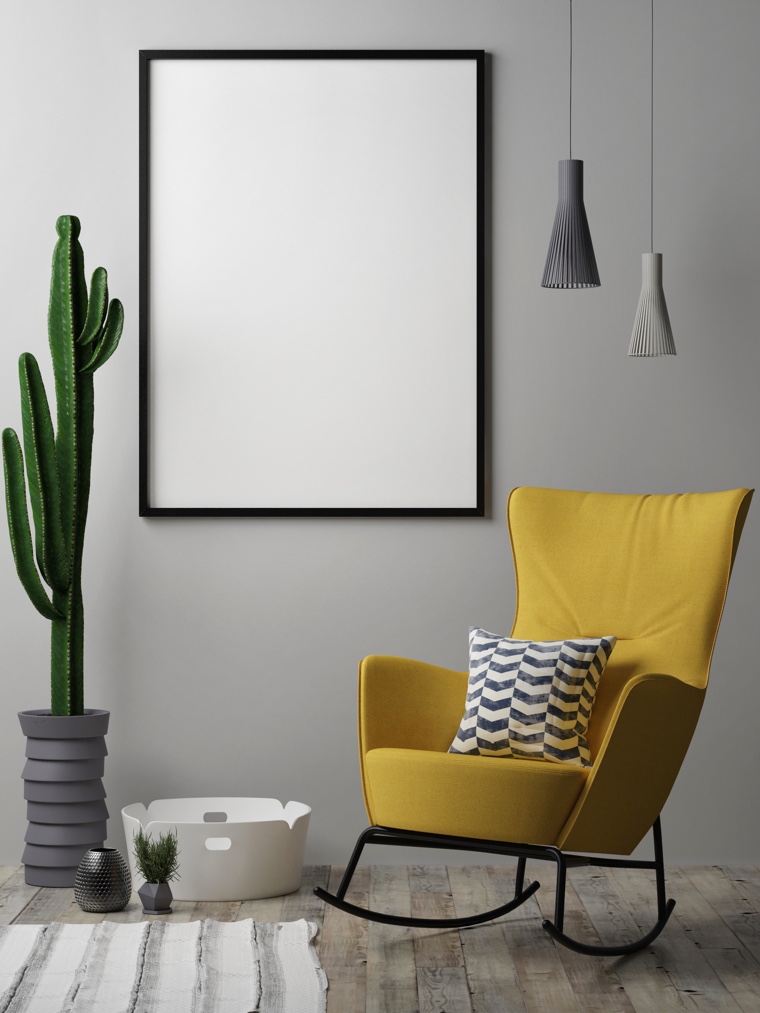
This philosophy is one reason why Scandinavian design has taken hold internationally. It suits busy lives and smaller living spaces. It replaces visual noise with clean forms, thoughtful craftsmanship and materials that age well.
Subdued Colours
Black and white are often associated with Nordic interiors, but the real palette is more nuanced. The guiding idea is to create a light, bright and soothing home environment that counteracts the darkness outdoors during winter.
Walls are often kept white or near-white to reflect daylight. Soft greys, warm beige tones and muted browns help create a sense of warmth rather than sterility.
When colour is introduced, it tends to be subtle rather than bold, with dusty blues, watery greens or pale pinks showing up in textiles, ceramics and accent pieces.
There is also room for contrast. One strong piece, such as a richly coloured vase, a graphic textile or a sculptural chair, often stands out precisely because nothing else competes with it.
As Kristian Byrge of Danish design studio Muuto put it, Scandinavian interiors have been evolving from strict minimalism to something warmer and more expressive.
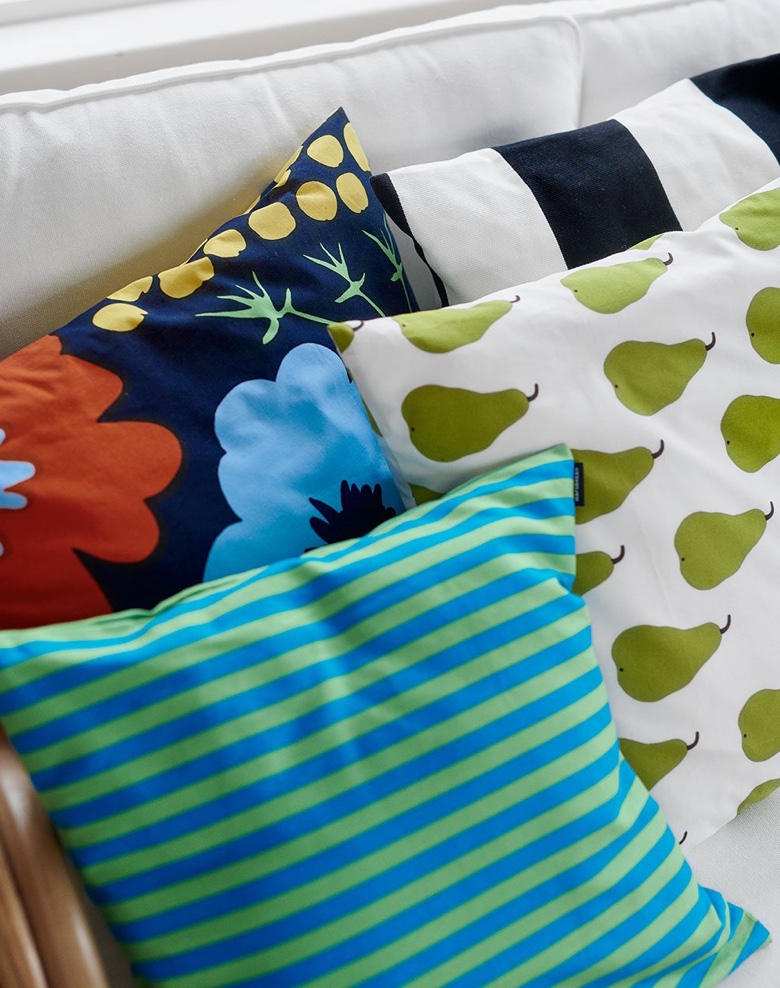
Finnish design house Marimekko is the best-known example of a bolder approach, famous for vivid patterns that remain rooted in nature.
Wooden Floors and Natural Materials
Walk into a Norwegian or Danish home and one of the first things you will notice is the lack of carpets.
Instead, wooden floors dominate. Pale woods such as birch and pine create an open, breathable feeling, while soft-washed oak introduces warmth and depth.
The absence of wall-to-wall carpeting also has a cultural dimension. Floors are easier to keep clean in winter when outdoor shoes and snow are part of everyday life. The natural grain of wood adds visual interest without cluttering a room.

Alongside wood, wool, linen, leather and stone are common materials. They are beautiful, but they are also durable, renewable and easy to live with. They age gracefully, and aging well is one of the quiet principles of Scandinavian design.
Furniture with Clean Lines
Scandinavian furniture is deceptively simple. At first glance, a chair or side table may look almost plain, but the simplicity is doing a lot of work.
The region’s designers have long aimed for objects that are honest in construction and clear in form. The result is furniture that supports everyday life rather than shouting for attention.
Wood remains the star material, especially oak, birch and ash. These woods have pale, natural tones that feel warm without being heavy, and their grain provides a subtle decorative quality.
Clean, rounded edges soften the look and make pieces friendlier to live with. Nothing is overly ornate. Nothing is unnecessary. Joints are often visible, a quiet nod to craftsmanship.
This mindset has roots in the early twentieth century. Scandinavian designers were responding to the industrial age. Mass production was on the rise, and many feared that quality and human connection would be lost.
The solution was to design furniture that was affordable and easy to manufacture, yet still rooted in skilled work and human touch. That philosophy is what eventually created the icons that fill design museums today.
Placement is also key. Scandinavian interiors tend not to crowd rooms. A single chair, chosen with intention and given space to breathe, becomes more beautiful. Light travels around and beneath furniture, making a room feel open even when the square footage is small.
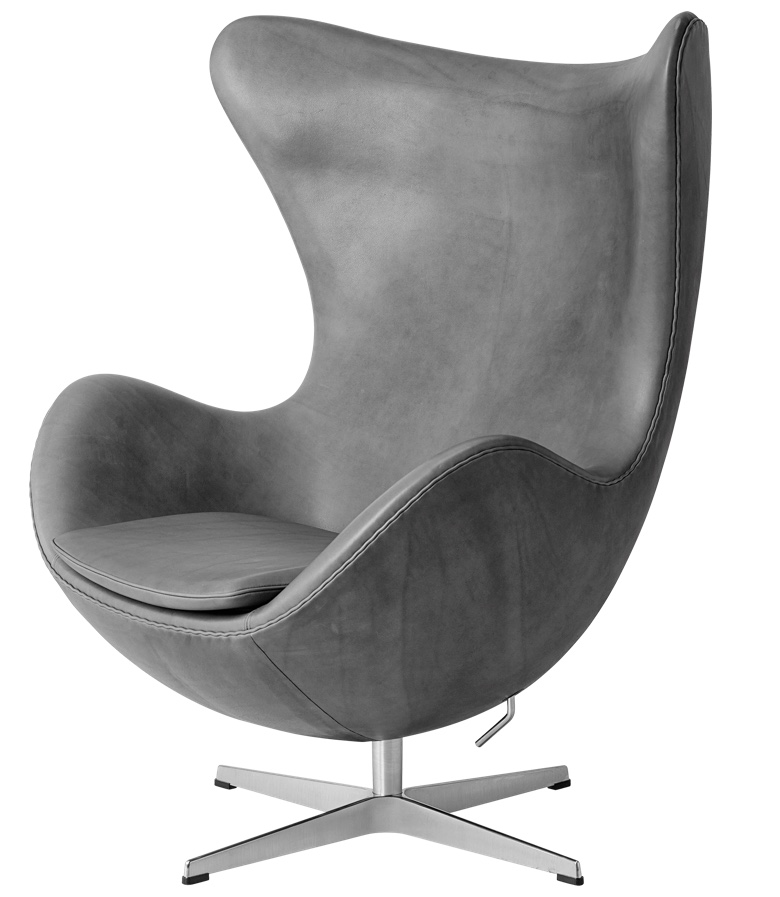
There is a sense that every object has been considered, and that nothing is present without purpose.
A Cozy Take on Minimalism
One of the most important ideas in Scandinavian design is koselig. The word is often translated simply as “cozy”, but that barely scratches the surface.
Koselig is emotional as much as visual. It refers to an atmosphere that feels warm, safe and quietly joyful. It is the feeling of being held by a space. And crucially, it can exist within a minimalist home.
Minimalism in Scandinavia is not about empty rooms. It is about removing the noise so that what remains can feel more meaningful.
Homes are designed to be calm, grounding places that support everyday life, especially during the long, dark winter months when much of life takes place indoors.
When daylight is limited and the weather wild, the home becomes a refuge. Koselig is how that refuge is created.
Texture plays a big role. Soft wool blankets draped over the arm of a chair, a knitted throw at the end of the sofa, linen cushions that feel pleasant to the touch. A natural rug underfoot, whether jute, sheepskin or woven wool, brings warmth without clutter. These elements work together to soften the clean lines found elsewhere in the room.
Lighting is just as important. Rather than bright overhead lights, Scandinavian spaces tend to use many small, gentle light sources. Lamps placed at different heights, warm-toned bulbs and the familiar glow of candlelight all help shape the atmosphere.
Candles, in fact, are everyday objects in Norway, Denmark and Sweden. They are not saved for special events. They are lit simply because it is evening and people are home.
Koselig is about how a room feels to live in, not how it looks in a photograph. It is the invitation to sit down with a cup of coffee. It is the quiet relief of shedding your coat and stepping into warmth. It is the atmosphere that encourages people to slow down, talk, read or simply breathe.
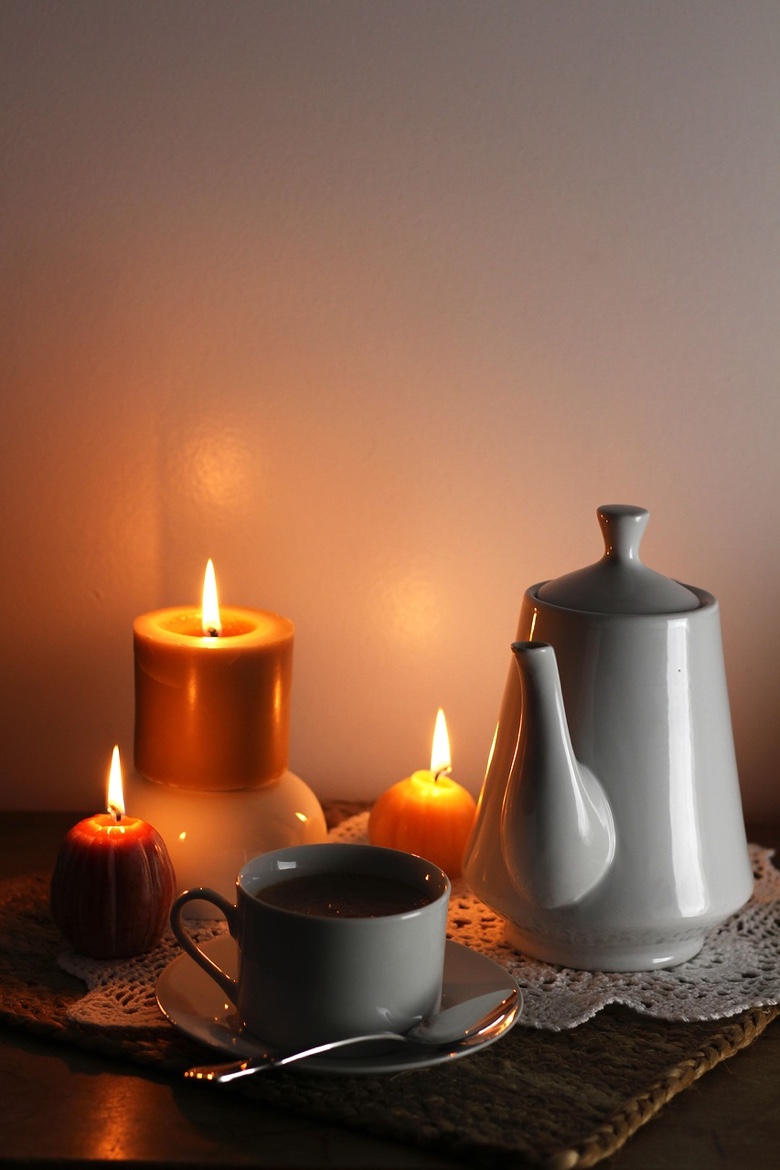
Minimalism provides the clarity. Koselig provides the heart.
Bringing the Outdoors Inside
Nature is not something outside the Scandinavian home; it is considered part of daily life. Norwegians, Swedes and Danes spend so much time outdoors that the boundary between interior and exterior often feels deliberately thin.
Large windows are one of the most recognisable features of Nordic architecture. They are there to pull in as much daylight as possible, particularly during the winter months when light is scarce.
But they also act like framed artwork. Forests, fjords, city parks or even a winter snowfall become part of the room’s atmosphere. The view becomes decoration.
Houseplants are everywhere. They soften lines, add organic shapes and bring that hint of the wild indoors.
Some homes include small indoor trees, such as olive or fig varieties, which offer greenery even during the coldest months. Vases of branches, wildflowers, heather or pinecones appear seasonally, reflecting what is happening outside the window.
Natural materials continue this relationship with the outdoors. Wood grain echoes tree bark. Wool textiles recall mountain farm traditions. Stone, clay ceramics and woven fibres add an earthy grounding element.
Even colour palettes tend to borrow directly from the landscape. Mossy greens, stormy greys, sandy browns and soft sky blues reflect the forests, coastlines and mountains that define the region.
At its core, bringing the outdoors in is not aesthetic for the sake of style. It is a way of staying connected to the world beyond the home. Even when the weather keeps people inside, nature is still present.
The Appeal of Scandinavian Design
Scandinavian design values clarity over clutter, quality over excess and comfort over display. In a world where life can feel noisy, this approach offers calm.
What elements of Scandinavian design appeal most to you? The soft colours, the natural materials, the cozy minimalism, or perhaps the sense of balance and quiet it brings?
If you enjoyed this article, why not share it on Pinterest? We've got just the pin for you.


I love the clean lines the furniture the colours…just about everything about Scandinavian design!