
Norway has plenty of space, but not always in the places visitors expect. Here’s how to plan a summer trip that avoids the worst crowds without missing the magic.
Norway is not overcrowded. At least, not in the way some people imagine. There are vast mountain plateaus where you can walk for hours and see very few people. There are quiet coastal villages where life continues at a slow pace, even in the middle of July.
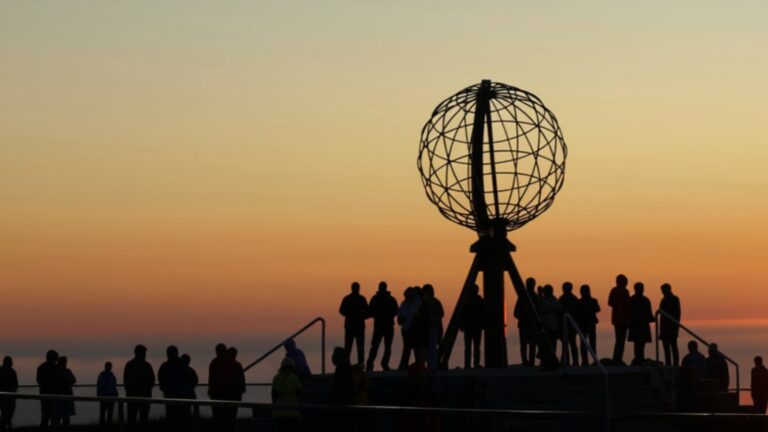
There are national parks, forest trails, islands, valleys, and small towns that rarely make it onto a first-time visitor’s itinerary.
And yet, anyone who has stood in Flåm on a busy summer day, walked along Bryggen in Bergen when several cruise ships are in port, or tried to find a quiet photo spot in Lofoten in July will know the other side of the story.
Norway’s tourism boom is real. In 2025, commercial accommodation in Norway recorded more than 40 million guest nights for the first time, with foreign visitors driving much of the growth.
But that does not mean the whole country is full. It means more visitors are heading to the same famous places, often at the same time of year, and sometimes even at the same time of day.
When Is Peak Season In Norway?
Peak season coincides with the summer, so from mid-June to mid-August.
This is when the weather is most reliable, mountain roads are open, ferry routes are running, schools are on holiday, and visitors from around the world arrive to see the fjords, the Arctic, the midnight sun, and the landscapes they have seen online.
There is nothing wrong with visiting Norway in summer. For many people, it is the easiest time to travel here. But if your dream is peace, nature, and a feeling of space, the way you plan your trip matters more than ever.
Norway does not need to be avoided in summer. But the checklist version of Norway does. These are the same things I explain to some people on my travel consulting calls to help them shape a more enjoyable version of their dream trip.
Don’t Follow The Exact Same Route As Everyone Else
The busiest places in Norway tend to be busy for a reason.
Flåm sits at the end of a dramatic fjord and connects with one of the world’s most famous railway journeys. Geiranger is a spectacular fjord village surrounded by steep mountains and waterfalls. Lofoten’s jagged peaks and fishing villages are every bit as beautiful as the photographs suggest.
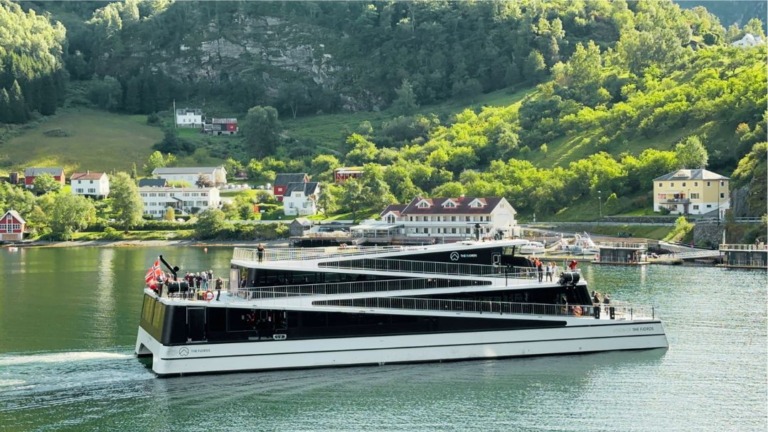
The problem is not that these places are overrated. The problem is that so many visitors try to see all of them, often in a short space of time.
A typical first-time itinerary might include Oslo, the Bergen Railway, Flåm, Bergen, Geiranger, Ålesund, Lofoten, and Tromsø.
On paper, that sounds like the trip of a lifetime. In practice, it can mean a lot of transport, expensive accommodation, rushed days, and very little time to enjoy the places you came all this way to see.
One of the best ways to avoid crowds in Norway is to choose fewer places and stay longer. Instead of trying to tick off every famous name, pick one or two regions and explore them properly.
A week in western Norway could include Bergen, Hardanger, the Sognefjord area, and perhaps Ålesund or the Sunnmøre Alps.
A week in northern Norway could focus on Lofoten and Vesterålen, or Tromsø and Senja, rather than trying to see everything from Bodø to the North Cape. You may see fewer “must-see” places, but you will almost certainly have a better trip.
Travel Earlier Or Later In The Day
Summer daylight is one of Norway’s biggest advantages. In much of the country, the evenings stay light for a long time. North of the Arctic Circle, the sun won't set at all for several weeks.
Despite this, many visitors still plan their days as if they are somewhere much farther south. They sightsee between 10am and 4pm, eat dinner, and return to their hotel. That is exactly when many of the busiest places are at their busiest.
In places visited by cruise ships, coach tours, and day-trippers, the difference between midday and evening can be dramatic.
A fjord village that feels crowded at lunchtime can feel peaceful again by 7pm. A viewpoint that has a queue of people waiting for photographs in the afternoon may be almost empty in the morning.

This is especially useful in places such as Flåm, Geiranger, Bergen’s Bryggen, and the most photographed parts of Lofoten. It also applies to popular hikes. Starting early is often the best way to avoid the worst of the crowds, especially on trails such as Preikestolen.
Of course, you should always make safety decisions based on the route, the weather, and your ability. But in summer, shifting your day by just a few hours can change the whole feel of a place.
Stay Overnight Where Others Only Stop Briefly
Some of Norway’s most famous places suffer from a specific kind of crowding. They are not necessarily full all the time. They are full for a few hours each day.
This is common in cruise ports and places on popular day-trip routes. Flåm, Geiranger, Ålesund, Olden, Hellesylt, and parts of Lofoten can all feel very different once the day visitors have left.
Staying overnight is one of the simplest ways to improve your experience. It gives you access to quieter mornings and evenings, it removes some of the pressure to rush, and it allows you to spend money locally in a more meaningful way.
This is not always the cheapest option. Accommodation in small popular places can be expensive in summer and often books out early. But if you have dreamed of seeing the fjords at their best, it may be better to spend one or two nights in the region rather than racing through on a packed day trip.
There is also something special about experiencing a place after the main rush has passed. A quiet walk by the fjord in the evening, a slow breakfast before the tour buses arrive, or simply sitting and watching the light change on the mountains can be more memorable than another viewpoint selfie.
Choose Alternatives, Not Inferior Substitutes
When people suggest avoiding the most famous places in Norway, it can sometimes sound like you are being asked to accept a second-best trip. That is not the point.
Norway is full of alternatives that are not lesser versions of the famous places. They are simply different.
Sometimes they are quieter because they are harder to reach. Sometimes they are less known internationally. Sometimes they lack one single iconic image, which makes them less likely to dominate social media.
If Flåm feels too busy or too expensive, look more widely at the Sognefjord and Hardangerfjord regions. Voss, Balestrand, Vik, Ulvik, Norheimsund, and Rosendal all offer access to fjord landscapes without necessarily having the same crush of visitors.

If Geiranger is the name that drew you to Norway, consider giving yourself more time in the wider Sunnmøre region. The Hjørundfjord, the islands around Ålesund, and the mountains around Øye and Stranda offer some of western Norway’s most dramatic scenery.
If Lofoten is your dream, think about how much of your time really needs to be spent in the most photographed villages. Reine and Hamnøy are beautiful, but they are not the whole story.
The islands of Vesterålen, just to the north, offer coastal scenery, wildlife, hiking, and a much more lived-in feel. Senja is another spectacular northern destination, although it also has its own summer pressures.
If Tromsø is on your itinerary in summer, ask yourself why. It is a lively and interesting Arctic city, but summer visitors looking for landscapes may also want to consider Bodø, Alta, Harstad, Narvik, or the Helgeland coast.
The goal is not to avoid famous places completely. It is to avoid building an entire trip around the same famous places as everyone else.
Don’t Underestimate Norwegian Cities
Many international visitors come to Norway for nature. That is understandable. The fjords, mountains, islands, and Arctic landscapes are the main draw for most people.
But Norwegian cities can be a smart way to balance a summer trip. They offer museums, restaurants, public transport, indoor options for rainy days, and access to nature without always needing a car.
Oslo is often dismissed as a gateway, but it has the islands of the Oslofjord, forest trails reachable by metro, world-class museums, floating saunas, and some of the country’s best food and coffee.
Bergen is busy in summer, but it is also a real city with neighbourhoods, viewpoints, museums, and walks beyond Bryggen and Fløibanen.
Trondheim is one of Norway’s best summer cities, especially for visitors who enjoy history, food, and a slower pace. Stavanger combines a charming old town, excellent restaurants, street art, the oil museum, and access to Lysefjord.
Ålesund is much more than a cruise port thanks to its striking architecture, while Bodø has become a much more interesting city break destination in recent years.
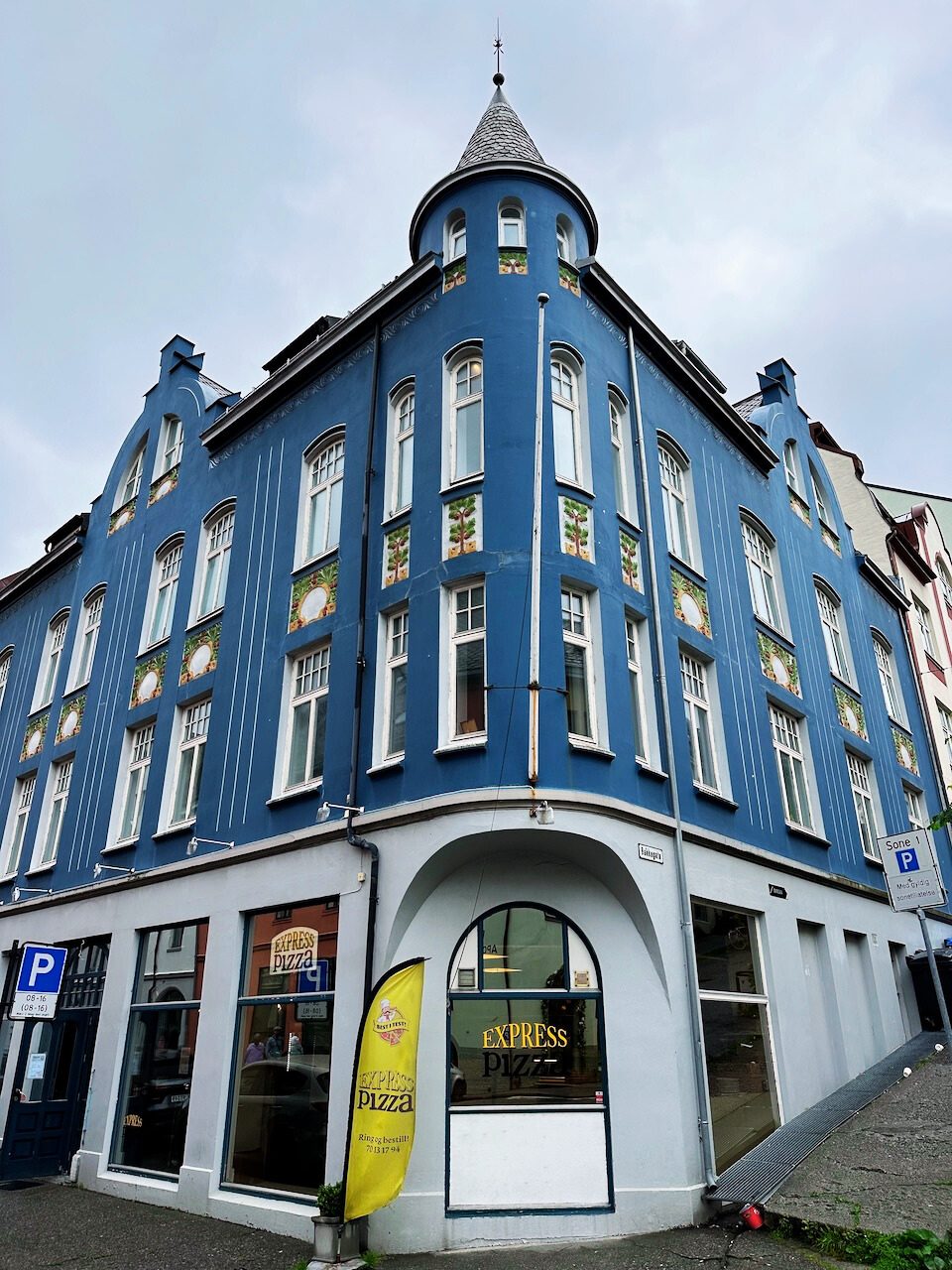
Smaller cities and towns can also be rewarding. Fredrikstad, Lillehammer, Kristiansand, Haugesund, Røros, and Tønsberg can all add something different to a Norway itinerary.
Cities also help spread the risk. If the weather turns, you have options. If the roads are busy, you can walk. If you are tired of chasing views, you can sit in a café and watch Norwegian life go by. That is part of travel too.
Book The Fixed Things Early, But Keep Your Days Flexible
Some of the stress of travelling in Norway in peak season comes from a simple mismatch. There is huge demand, but many of the most attractive places are small.
A fjord village may have only a handful of hotels. A popular island community may have limited restaurants. A car ferry may have queues. A scenic train may sell out. A rental car may cost far more than expected if left until the last minute.
For a summer trip, it is sensible to book the essentials early. Accommodation, long-distance trains, rental cars, domestic flights, and popular guided tours should not be left to chance, especially in places such as Lofoten, Flåm, Geiranger, Bergen, and Tromsø.
But that does not mean every hour of the trip should be planned.
In Norway, flexibility is valuable. Weather changes quickly. Mountain hikes may not be wise on the day you planned them. A fjord ferry may be delayed. A viewpoint may be covered in cloud. A small museum or café may have shorter opening hours than expected.
The best approach is to secure the important logistics, then leave space around them. Plan your overnight stops, transport, and any must-do activities. But give yourself room to move things around, especially if you are travelling by car.
A packed itinerary might look efficient on paper, but it can often lead to disappointment.
Use Public Transport Where It Works
Public transport can be a fantastic way to travel in Norway, especially if you are focusing on cities, rail routes, ferries, and established tourist corridors.
The Bergen Railway, the Dovre Line, the Nordland Line, local ferries, express boats, and coastal routes can all become part of the experience rather than just a way to get from A to B. Travelling without a car also removes the stress of parking, narrow roads, and unfamiliar driving conditions.
For some trips, public transport is the best choice. Oslo and Bergen are easy without a car. The classic Oslo to Bergen rail journey works well. Trondheim, Stavanger, and Ålesund can all be visited without driving. In northern Norway, express boats and buses can be useful, depending on the route.
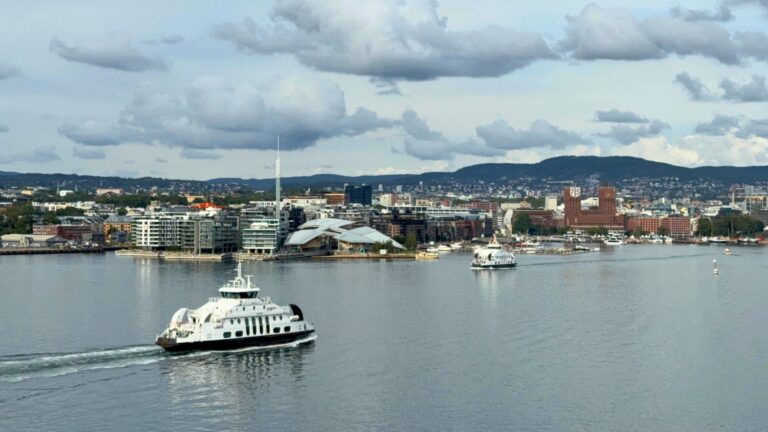
But it is important not to romanticise public transport in rural Norway.
Some places are much easier by car. Buses may be infrequent, especially outside school days or away from main routes. Connections that look simple on a map can involve long waits. A scenic detour by car may be impossible by bus.
The key is to be honest about the kind of trip you want. If you want a relaxed city and fjord itinerary, public transport can work very well. If you want remote trailheads, quiet beaches, small villages, and flexibility, a car may still be the right choice.
Either way, check schedules before you build the itinerary, not after.
Avoid The “One Photo” Mentality
Some of the most crowded places in Norway are crowded because of a single image. A red cabin with mountains behind it. A fjord viewpoint. A famous rock formation. A street of wooden houses. A waterfall seen from a particular angle.
There is nothing wrong with wanting to see beautiful places. I do it too. But when a destination becomes reduced to one photograph, the experience can quickly become frustrating for everyone.
Visitors queue for the same shot. Cars stop in unsafe places. People walk onto private land. Drones appear where they are not welcome. Local communities begin to feel like backdrops rather than places where people live.
One way to avoid the worst crowds is to change your mindset. Instead of asking, “Where is the famous photo spot?” ask, “Where can I spend a few hours here?”
Walk a little farther. Take the side street. Visit the local museum. Eat somewhere that is not directly beside the viewpoint. Stay long enough for the place to become more than an image.
Norway rewards slow attention. The sound of water running down a mountainside, the smell of warm waffles in a ferry café, the way the light shifts across a fjord in the evening, the ordinary routines of a small town.
These things rarely appear on a must-see list, but they are often what people remember most.
Be Part Of The Solution
Crowds are not only a visitor problem. They are also a planning problem, an infrastructure problem, and a tourism management problem.
Local authorities, tourism boards, transport companies, and businesses all have responsibilities. But visitors have responsibilities too.
In busy areas, small choices matter. Use proper campsites rather than treating every scenic lay-by as a free campground. Do not block roads or private driveways for photographs. Respect signs, fences, and local restrictions.
Use public toilets when available, and plan ahead in remote areas where facilities are limited. Take rubbish with you. Keep a safe distance from wildlife. Avoid flying drones where they are prohibited or intrusive.
This is especially important in small communities. Many of Norway’s most popular destinations are not purpose-built resorts. They are villages, islands, farms, ferry quays, and working landscapes. People live there all year.
The aim is not to make visitors feel guilty. Tourism supports jobs, restaurants, hotels, guides, ferries, museums, and cultural attractions across Norway. Many communities want visitors, but they also want tourism that works for local life.
A better trip for you should not mean a worse summer for someone else.
The Best Way To Avoid Crowds In Norway
There is no secret trick to avoiding crowds in Norway in peak season. The answer is usually a combination of small decisions. Most of all, be realistic.
If you visit Flåm in July, it may be busy. If you walk through Bryggen on a sunny day in peak cruise season, you will not have it to yourself. If you go to Lofoten in mid-summer and only visit the most famous villages, you should expect other people to have had the same idea.
But Norway is still full of space. It is found in the early mornings, the long evenings, the lesser-known valleys, the second-choice villages, the overlooked towns, and the places that do not fit neatly into a five-day itinerary.
Summer in Norway can still be magical. You just need to plan for the Norway that exists, not the empty version that appears in photographs.