
Fishing in Norway offers something for everyone, from casual shore fishing to world-class angling adventures. With a little preparation and an understanding of the rules, it’s one of the most rewarding outdoor experiences the country has to offer.
Fishing in Norway isn’t just a pastime. It’s part of the country’s identity.
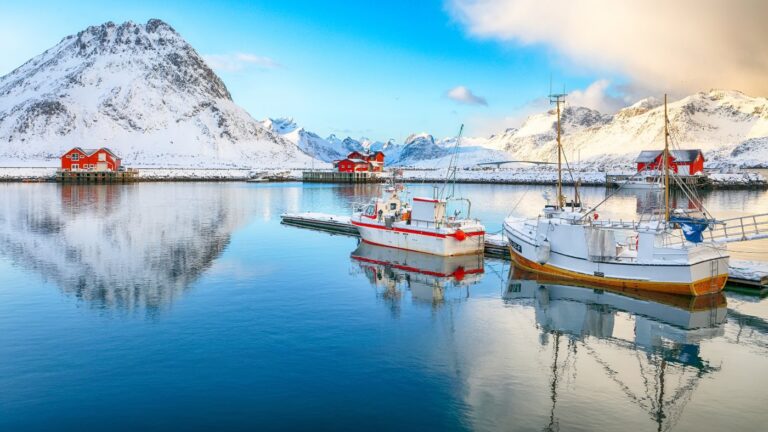
From the earliest coastal settlements to today’s global seafood industry, fish has shaped how people live, work, and eat along this rugged coastline.
For visitors, that legacy translates into something special. Few places in Europe offer such easy access to wild fishing experiences, whether that’s casting a line into a quiet mountain lake or heading out into the open sea in search of cod or halibut.
But while the opportunities are vast, the rules are not always obvious. Understanding the difference between sea and freshwater fishing is essential, as is knowing what you can catch, where you can fish, and what you can legally take home. Here’s what you need to know.
Table of Contents
A Nation Built on Fishing
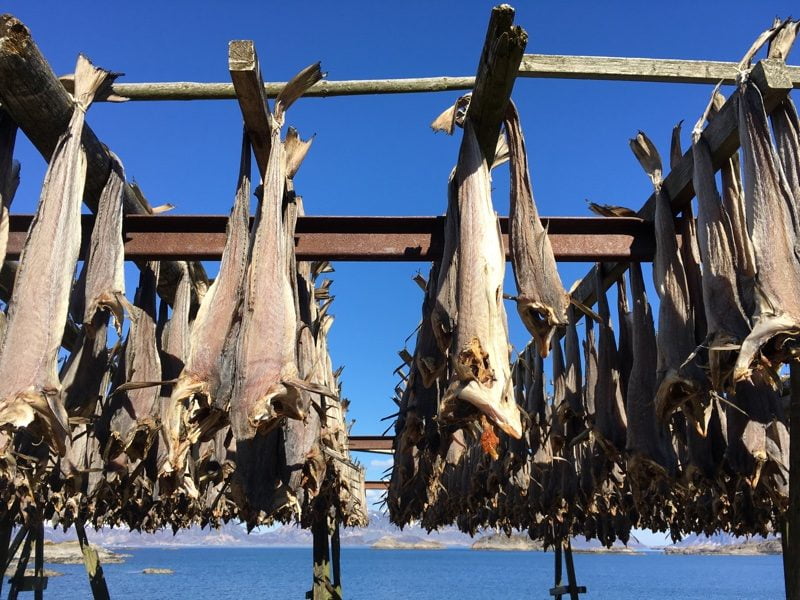
Fishing has sustained communities in Norway for thousands of years. Long before oil transformed the economy, fish was the backbone of trade, particularly dried cod exported from Northern Norway to markets across Europe.
Nowhere along the Norwegian coastline illustrates this better than Lofoten, where seasonal cod fisheries have shaped life for centuries.
Each winter, Arctic cod known as skrei migrate south to spawn, creating one of the world’s most famous fisheries. Entire settlements grew around this cycle, and in many ways, they still do.
Fishing also played a strategic role during wartime. Fish oil production was considered so valuable that facilities became military targets, underlining just how critical the industry once was.
Today, seafood remains one of Norway’s biggest exports. Norwegian fish is eaten around the world every day, and the country continues to manage its fisheries carefully to ensure long-term sustainability.
At the same time, recreational fishing remains deeply embedded in everyday life. Head to almost any coastline, fjord, or lake in summer and you’ll see locals and visitors alike trying their luck.
Types of fishing in Norway
Before you even think about where to fish, you need to understand one crucial distinction. Fishing in Norway falls into two main categories, and the rules are completely different for each.
Sea Fishing
Sea fishing is by far the easiest way to get started. One of Norway’s biggest draws is that recreational sea fishing is free. You don’t need a licence to fish in the ocean, along the coast, or in the fjords.
That said, there are still important rules to follow:
- You can only use handheld equipment such as rods and lines
- You must stay at least 100 metres away from fish farms
- Certain species are protected, either year-round or seasonally
- Many species have minimum size limits
- You are not allowed to sell your catch
For visitors, one of the most important regulations concerns taking fish out of the country. If you fish through a registered fishing camp, you can export a limited quantity of fish, provided it is properly documented. These limits are being tightened, so it’s essential to check current rules before travelling.
Sea fishing is popular because it’s accessible and rewarding. Even beginners can have success, particularly in summer when species like mackerel are plentiful close to shore.
Freshwater Fishing
Freshwater fishing in Norway is a very different experience, and significantly more regulated.
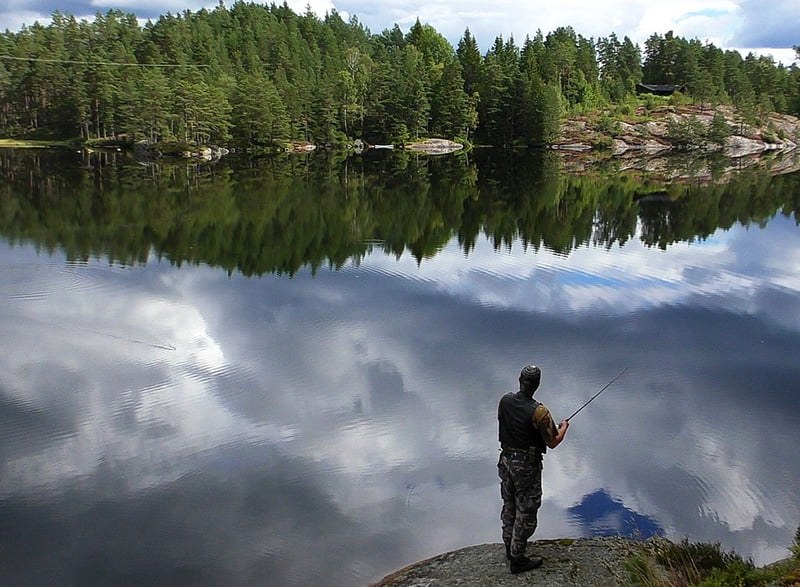
If you want to fish in rivers, lakes, or streams, you will almost always need a fishing licence (fiskekort). These are issued by landowners or local organisations and are valid only for specific areas and time periods.
Licences can usually be purchased online, at local shops, or through tourist offices. Planning ahead is important, especially if you intend to fish in multiple locations.
If you plan to fish for migratory species such as salmon, sea trout, or Arctic char, there is an additional requirement. Anyone over the age of 18 must pay a national fishing fee, which contributes to conservation and stock management.
Regulations in freshwater vary widely depending on the location. You may encounter:
- Strict fishing seasons
- Daily catch limits
- Catch-and-release rules
- Restrictions on bait and equipment
This level of control helps protect fragile ecosystems and maintain fish stocks, particularly in famous salmon rivers.
What Fish Can You Catch in Norway?
Norway offers a remarkable variety of fish, depending on where and how you fish.
In the Sea
Saltwater fishing is dominated by species such as cod, saithe, and haddock, all of which are common along much of the coast. Mackerel are especially popular in summer and are easy to catch even from shore.
For more experienced anglers, Norway is known for its larger catches. Halibut, in particular, has become something of a bucket-list species, especially in Northern Norway where conditions are ideal. Other species you may encounter include redfish, wolffish, and pollock.
In Freshwater
Freshwater fishing tends to be more tranquil, but no less rewarding. Brown trout and Arctic char are widespread across Norway’s lakes and mountain regions, while rivers are home to salmon and sea trout.
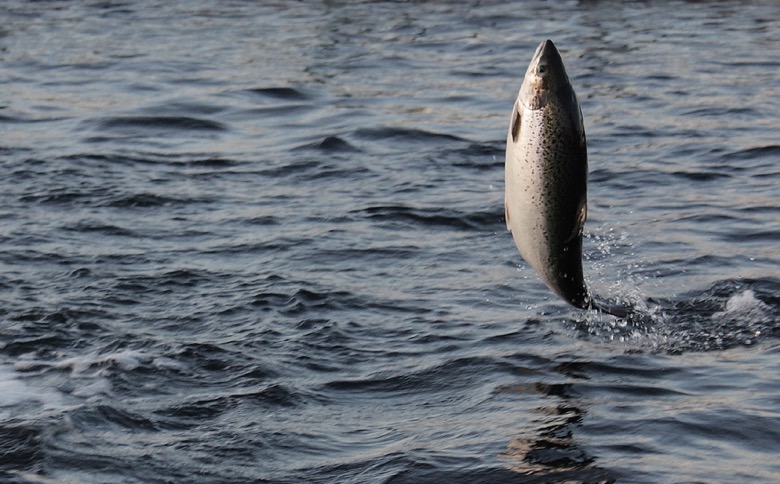
Salmon fishing is especially prized, both for its challenge and its tradition. Some of Norway’s best rivers attract anglers from around the world, and access can be limited and expensive.
Fishing Locations in Norway
One of the joys of fishing in Norway is the sheer variety of landscapes. From remote Arctic coastlines to peaceful inland lakes, the choice is enormous.
Northern Norway
For many visitors, Northern Norway is the ultimate destination.
The waters around Lofoten, Vesterålen, Tromsø, and Finnmark are among the richest fishing grounds in Europe. This is where you’ll find the iconic cod fisheries, along with excellent opportunities to catch large halibut.
Fishing here often takes place from boats, either independently or as part of organised trips from fishing camps.
For serious anglers, the Alta River is legendary. Often ranked among the world’s best salmon rivers, it offers a unique combination of natural beauty and world-class fishing.
However, access is tightly controlled, and permits are limited. Many fishing rights are reserved for locals, with a smaller number available to visitors through advance booking.
Trøndelag and Central Norway
Central Norway offers a balance of accessibility and variety. The region of Trøndelag is particularly well known for its salmon rivers, including the Gaula and Orkla, both of which are internationally recognised.
Off the coast, the islands of Hitra and Frøya are famous for big fish, especially halibut. At the same time, the region’s lakes and smaller rivers provide plenty of options for quieter freshwater fishing.
Western Norway and the fjords
Western Norway combines dramatic scenery with excellent fishing. Around Bergen and the fjord regions, you’ll find good opportunities for both shore and boat fishing.
While this area may not always offer the same trophy catches as the far north, the experience of fishing surrounded by steep mountains and deep fjords is hard to beat.
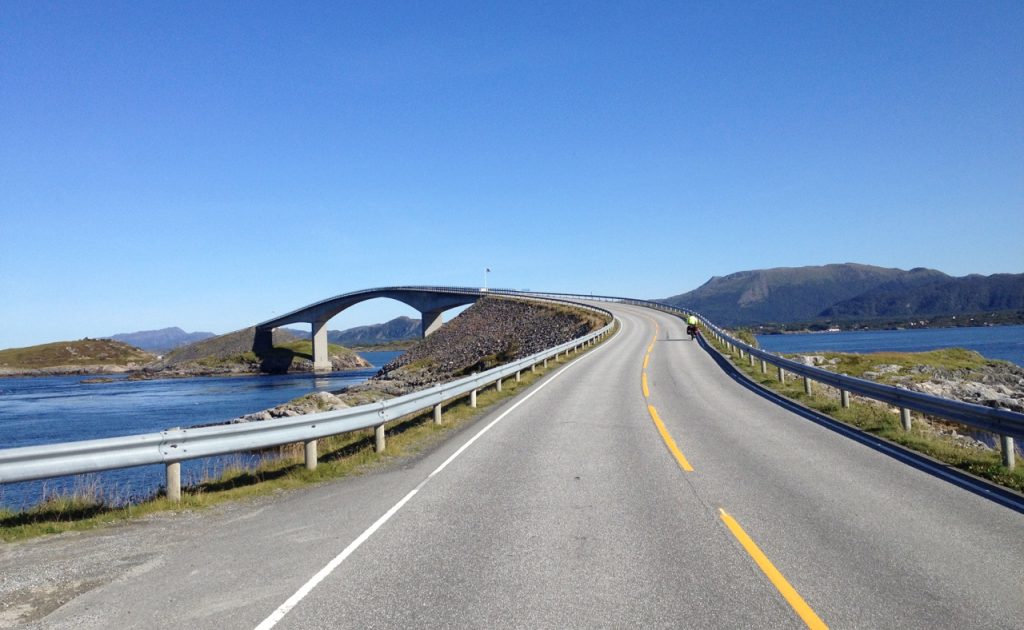
The Atlantic Road
For something a little different, the Atlantic Road offers a rare opportunity to fish directly from the shore in an exposed ocean setting.
This spectacular stretch of road connects a chain of small islands, making it possible to access productive fishing spots without needing a boat. It’s particularly popular for catching mackerel and pollock during the warmer months.
Practical Tips for Fishing in Norway
Fishing in Norway is relatively straightforward once you understand the basics, but a little preparation goes a long way.
Many visitors choose to stay at dedicated fishing camps, particularly along the coast. These provide boats, equipment, and facilities for cleaning and storing fish, as well as the documentation needed for export.
If you’re bringing your own equipment, be aware that you may need to disinfect it before using it in freshwater systems. This helps prevent the spread of fish diseases.
Weather is another key consideration, especially at sea. Conditions can change quickly, so always follow local advice and prioritise safety when heading out on the water.
Perhaps the most important thing to understand about fishing in Norway is the mindset behind it.
This is not a place where fishing is purely about quantity. Sustainability, respect for nature, and responsible behaviour are central to the experience. Regulations are there for a reason, and following them ensures that future generations can enjoy the same opportunities.
For many, fishing in Norway is as much about the setting as the catch. Whether you return home with a cooler full of fish or simply a good story, the experience is what stays with you.


Sure it’s worth a visit and who doesn’t love its magical nature, friendly people and their rich fishing waters. The sad facts of the story is the fear of Corona pandemic which setting stop for such activities nowadays. I hope the evil pandemic would disappear forever.