
From Norway’s fjords to Sweden’s forests and Denmark’s coastal cities, Scandinavia is having a moment in the travel world.
Tourism across the region has been growing steadily in recent years, but what’s happening now feels different. It's not just a post-pandemic rebound or a short-lived trend. Instead, it reflects a deeper shift in how and why people travel.
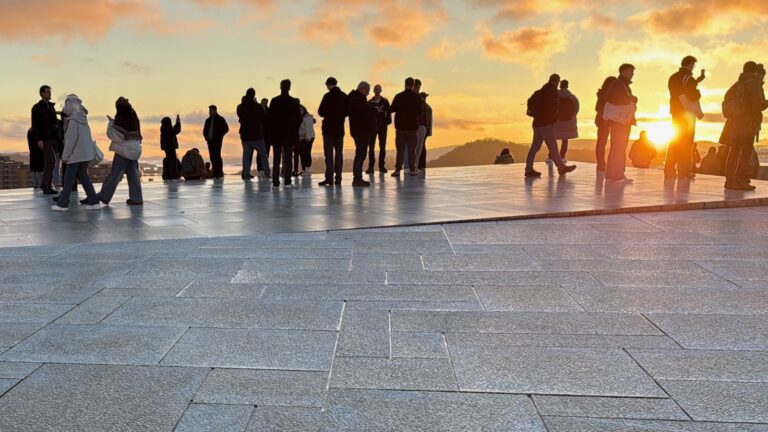
So, what’s behind the surge in interest in Scandinavia right now? The answer lies in a combination of global travel trends that happen to align almost perfectly with what countries like Norway, Sweden and Denmark already offer.
Tourism Numbers Are Rising Across Scandinavia
Let’s start by taking a look at the data. Tourism figures across Scandinavia have been climbing, with international visitors playing an increasingly important role.
In Norway, accommodation statistics have shown record-breaking numbers of guest nights, driven largely by foreign travellers.
Statistics Norway reported 40.6 million guest nights in 2025, up 5.2% from the previous year. Demand from international travellers jumped 14% to a record 14.2 million.
Sweden has also reported tens of millions of overnight stays annually, with strong domestic tourism complemented by steady international growth.
Denmark, meanwhile, has consistently attracted high numbers of foreign visitors, particularly to Copenhagen and its surrounding regions, but also increasingly to coastal and rural destinations.
The key takeaway is not just that more people are visiting. It’s that more people from further afield are choosing Scandinavia, often for the first time.
The Rise Of The “Coolcation”
One of the biggest drivers of this growth is climate. As southern Europe experiences more frequent heatwaves and extreme summer temperatures, travellers are rethinking where they go on holiday.
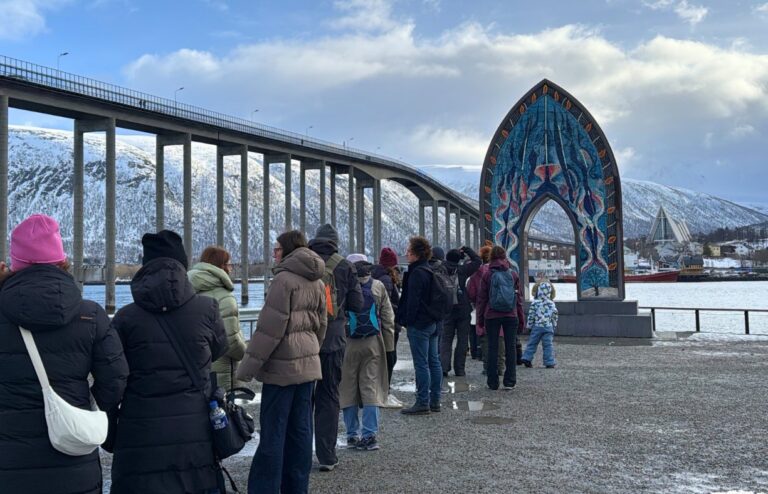
The idea of the “coolcation”, choosing a destination with milder weather, has quickly gained traction. Scandinavia fits this trend perfectly.
Summer temperatures in much of Norway and Sweden are comfortable rather than oppressive. Coastal breezes, long daylight hours and easy access to water make it easier to spend time outdoors.
But this isn’t just about escaping the heat. It’s about a different kind of summer experience.
Instead of crowded beaches and packed cities, travellers are seeking space, fresh air and nature, and that’s exactly what Scandinavia delivers.
Northern Norway, in particular, has seen sustained increases not just in northern lights winter tourism, but in shoulder and summer seasons.
Northern Lights Demand Is Booming
If summer is being reshaped by climate, winter travel is being driven by something entirely different: the sky.
The northern lights, or aurora borealis, have always been a draw. But in recent years, interest has surged.
Part of this is down to timing. We are currently in a period of heightened solar activity, which increases the likelihood of strong aurora displays. But there’s more to it than that.
Social media has played a major role in raising awareness, turning what was once a niche experience into a widely recognised travel goal.
Destinations like Tromsø in Northern Norway and Abisko in northern Sweden have become synonymous with aurora travel.
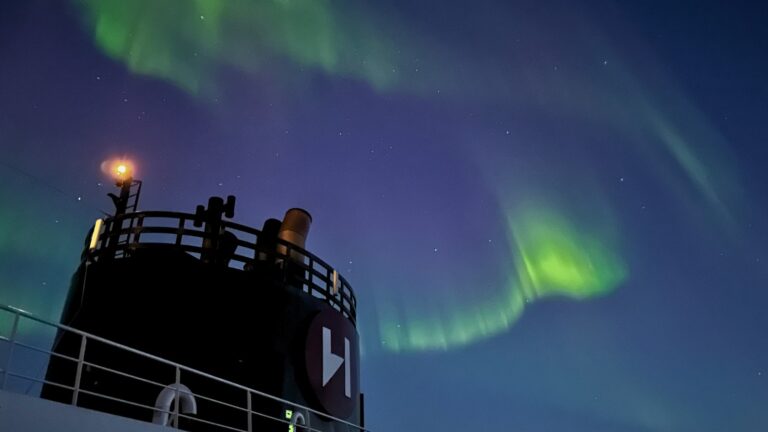
This has helped transform Scandinavia into a true year-round destination, rather than one dominated by the summer months.
Travel Is Becoming Less Seasonal
Traditionally, tourism in Scandinavia has been highly seasonal. Summer was peak time in Norway. Winter dominated in parts of Sweden and Finland. Denmark saw strong demand in the warmer months. But that pattern is changing.
More travellers are now choosing to visit in spring and autumn, often deliberately avoiding peak season. These “shoulder seasons” offer several advantages: fewer crowds, lower prices and a more relaxed pace of travel.
Tourism boards across Scandinavia have actively encouraged this shift, promoting experiences that work just as well outside the busiest months.
The result is a more balanced tourism landscape, with growth spread more evenly across the year.
The Appeal Of Slow Travel
Another major factor is the rise of slower, more intentional travel. Rather than rushing through multiple destinations, many travellers now prefer to spend more time in one place, exploring it in greater depth.
Scandinavia is particularly well suited to this approach.
In Norway, for example, fjord regions reward longer stays, whether that means hiking, taking local ferries or simply enjoying the scenery.
In Sweden, vast forests and lakes invite a slower pace, while Denmark’s compact geography makes it easy to combine city breaks with coastal exploration.
Transport options also support this style of travel. Scenic train journeys, regional ferries and well-developed public transport networks make it possible to move around without rushing.
A Search For Simplicity And Balance
There’s also a cultural element to Scandinavia’s appeal. Many visitors are drawn not just to the landscapes, but to the lifestyle. Concepts like ‘friluftsliv' in Norway, the idea of embracing outdoor life, resonate with travellers looking to slow down.
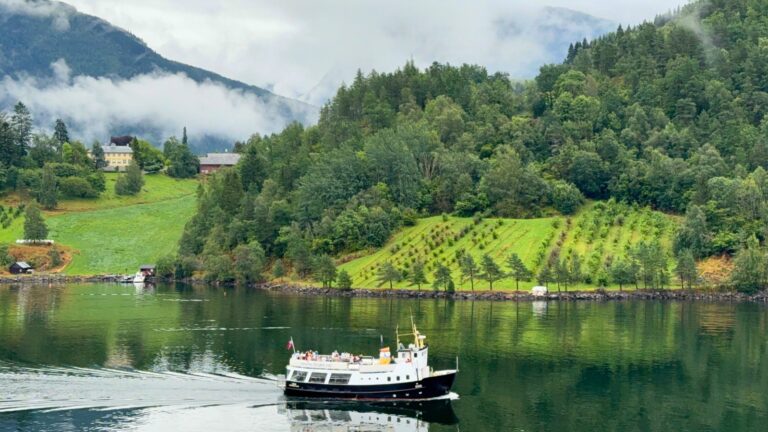
Scandinavia offers a sense of balance that can be hard to find elsewhere.
Cities like Oslo and Copenhagen combine urban culture with easy access to nature, while smaller towns and rural areas provide a quieter, more immersive experience. For many visitors, this is as important as any specific attraction.
Improved Connectivity Is Making Travel Easier
Of course, none of this would matter if Scandinavia were difficult to reach. Fortunately, that’s no longer the case.
International flight connections to major hubs like Oslo, Stockholm and Copenhagen have increased, with airlines expanding routes and capacity.
At the same time, infrastructure within the region continues to improve, making it easier to travel between destinations. Bergen Airport has been expanded and work continues at Tromsø Airport as demand in Northern Norway surges.
This combination of accessibility and experience is helping convert interest into actual visits.
Is Scandinavia Still Expensive?
Scandinavia has a reputation for being expensive, and in many ways, that reputation is justified, especially in Norway. However, perceptions are beginning to shift.
Rising prices in other parts of Europe, particularly in popular Mediterranean destinations, have narrowed the gap. Travelling in the shoulder season can also make a significant difference to costs.
For some travellers, Scandinavia is no longer seen as out of reach, especially when weighed against the overall experience.
A Different Kind Of Travel Boom
So, why is Scandinavia travel so popular right now? It’s not just one thing. It’s the combination of cooler summers, dramatic winter experiences, changing travel habits and a growing desire for more meaningful trips.
Scandinavia isn’t trying to compete with traditional mass tourism destinations. Instead, it offers something different.
Space instead of crowded attractions. Nature instead of noise. Balance instead of intensity. And right now, it seems as if that's exactly what many travellers are looking for.