

Bergen is one of Norway’s most popular city breaks, but it can be expensive. Here’s how to enjoy the views, culture and fjord-city atmosphere without overspending.
Bergen has a reputation for rain, charm, and high prices. All three are deserved, although the last one needs some context.
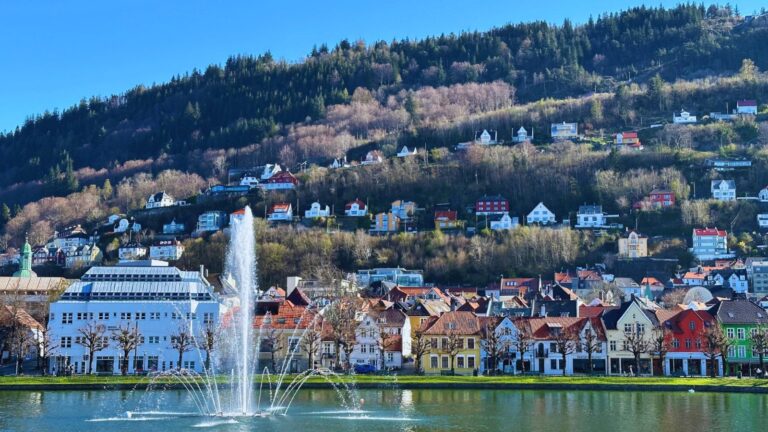
Norway’s second biggest city is not a cheap destination in the traditional sense. Hotels, restaurant meals, tours, and museum tickets can all add up quickly, especially in the busy summer season when cruise passengers and independent travellers arrive in large numbers.
But Bergen is also a city where many of the best experiences cost little or nothing.
The historic wharf, mountain views, harbour walks, fortress grounds, neighbourhood streets, and much of the atmosphere that makes Bergen so memorable are all available without opening your wallet.
The key is knowing where to spend, where to save, and where not to waste money. With a little planning, Bergen can be one of the more manageable Norwegian cities for budget-conscious visitors.
Getting to Bergen Without Overspending
The first chance to save money comes before you even arrive.
Bergen Travel Resources: Things To Do In Bergen – Book Hotels – Car Rental – Bergen Tours & Experiences – Travel Insurance
If you are travelling from Oslo and have the time, consider taking the train instead of flying. The Bergen Line is one of Norway’s great railway journeys, crossing high mountain landscapes, valleys, and remote plateaus before descending towards the west coast.
It may not always be cheaper than flying, especially if air fares are booked well in advance, but it is transport and sightseeing rolled into one. For many visitors, the journey itself becomes one of the highlights of the trip.
Book train tickets as early as possible through Entur or Vy for the best chance of lower fares. Prices rise as the cheapest tickets sell out, especially in summer and around public holidays.
If you arrive at Bergen Airport, avoid taking a taxi unless you have a very specific reason. Taxis in Norway are expensive, and the journey into the city centre can easily cost far more than a budget traveller expects.
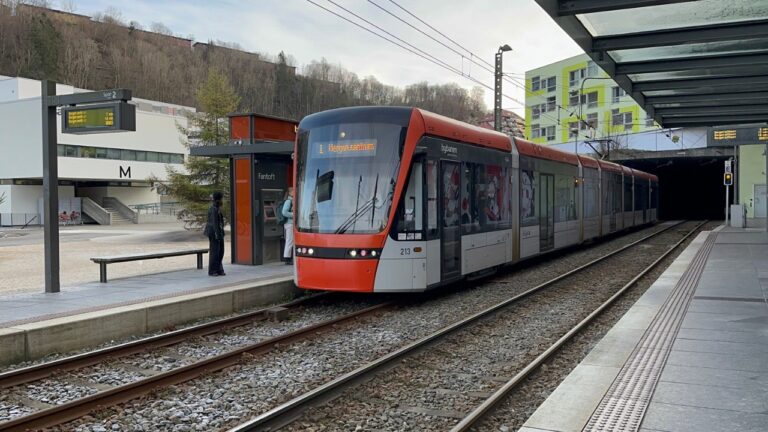
The best-value option for most people is Bybanen, Bergen’s light rail system. Line 1 runs directly from the airport to the city centre and takes about 45 minutes. A standard single ticket within the Bergen zone costs NOK 51 for adults at the time of writing.
The airport bus is faster on paper and can be useful if you are staying near Bryggen or one of the hotels on its route. But it costs significantly more than the light rail, so for most visitors, Bybanen is the smarter choice.
Use Bergen’s Compact Size to Your Advantage
One of the best things about Bergen is that the city centre is small enough to explore on foot.
If you stay centrally, you may not need public transport much at all once you have arrived. Bryggen, the Fish Market, Bergenhus Fortress, the main shopping streets, Lille Lungegårdsvannet, the lower Fløyen trails, and many museums are all within walking distance of each other.
This is important when comparing accommodation. A cheaper hotel or apartment far from the centre may not save much money if you then need to use public transport several times a day. It can also cost you time, which matters if you only have one or two days in the city.
That said, Bergen’s public transport system is useful and easy to use. If you do need to travel beyond the centre, the Skyss app is the easiest way to buy tickets.
A single ticket can be used on buses and light rail within the relevant zone for a limited time, which makes short trips straightforward.
The Best Free Things to Do in Bergen
Bergen’s most famous sight is completely free to explore. Bryggen, the old Hanseatic wharf, is a UNESCO World Heritage site and one of the most recognisable places in Norway.
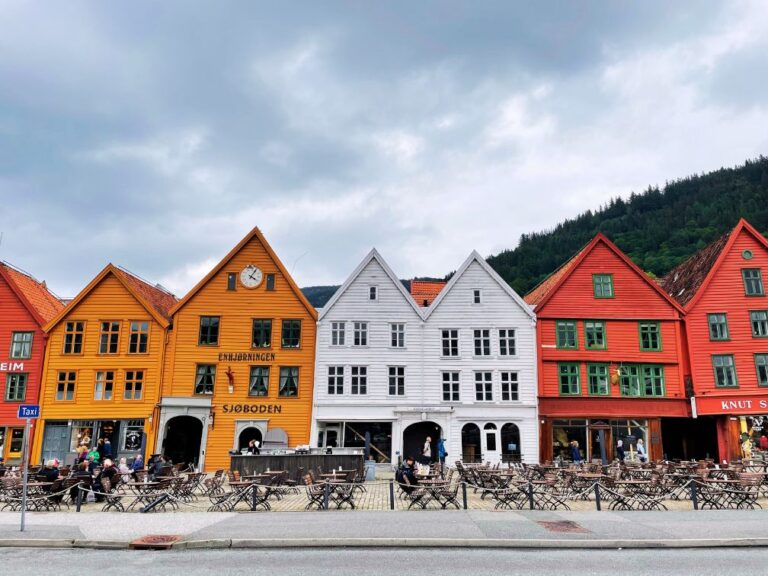
Many visitors simply walk along the front of the colourful wooden buildings, take a photograph, and move on.
But the real charm of Bryggen is found in the narrow wooden passageways between and behind the buildings. Wander slowly and you will find small shops, galleries, workshops, and quiet corners that feel far removed from the busy harbour.
A short walk from Bryggen brings you to Bergenhus Fortress. Some of the museums and historic buildings require tickets, but the fortress grounds are free to enter. It is a good place for a short wander, especially if you want a break from the crowds around the harbour.
The Fish Market is another Bergen landmark, although it is not necessarily a budget place to eat. Seafood meals here can be expensive, and in summer the area is firmly on the tourist trail.
Even so, it is worth a browse. Treat it as a place to soak up the atmosphere rather than as your default lunch stop.
For a quieter waterfront walk, head towards Nordnes. This peninsula west of the city centre has residential streets, sea views, parks, and a more local feel than the harbourfront. Nordnesparken is a good place to pause, especially on a dry day.
Lille Lungegårdsvannet, the small lake near the art museums, is another easy free stop. It is not a major attraction in itself, but it is a pleasant place to sit, people-watch, and get your bearings between the railway station, KODE museums, and the main shopping streets.
Save Money on Bergen’s Famous Views
For many visitors, the view from Mount Fløyen is the highlight of Bergen.
The Fløibanen funicular is quick, convenient, and fun, but it is not essential. If you are reasonably fit and have suitable footwear, you can walk up to Fløyen from the city centre for free.
The walk is uphill, of course, but it is manageable for many people and gives you a much better sense of how quickly Bergen gives way to nature.
A good compromise is to walk one way and take the funicular the other. This saves money compared with a return ticket while still giving you the classic Fløibanen experience.
Once at the top, you do not need to spend anything to enjoy the view. There are also walking trails, woodland paths, and picnic spots, making Fløyen one of the best-value experiences in the city. Bring snacks or lunch from a supermarket and you have a very affordable half-day outing.
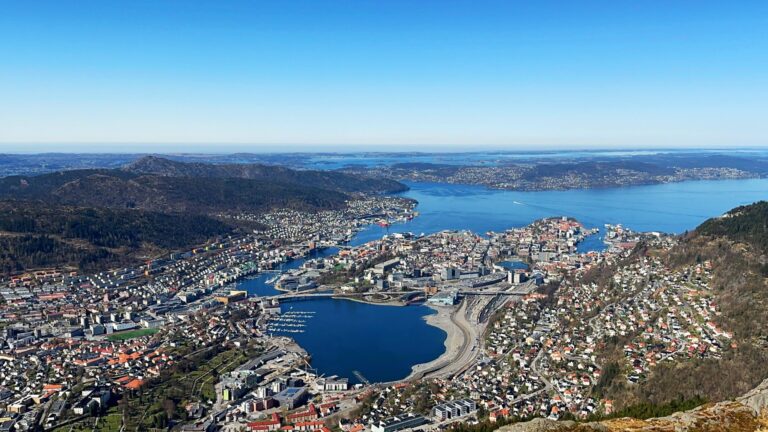
Mount Ulriken, Bergen’s highest mountain, is another famous viewpoint, but it is generally a more expensive outing if you use the cable car. For a first-time budget trip, Fløyen is the better-value choice.
When the Bergen Card Is Worth It
The Bergen Card can save money, but it is not automatically a good deal for every visitor.
At the time of writing, the adult card costs NOK 400 for 24 hours, NOK 500 for 48 hours, NOK 600 for 72 hours, and NOK 700 for 96 hours. It includes public transport in the Bergen region and offers free or discounted entry to a range of museums, attractions, tours, and restaurants.
The card makes most sense if you plan to visit several paid attractions in a short period, use public transport regularly, or travel as a family and can benefit from several discounts at once.
It is less useful if your Bergen plan is mostly walking around Bryggen, hiking to Fløyen, browsing the harbour, and enjoying the city atmosphere. In that case, you may spend less by paying only for the occasional ticket you actually need.
Before buying the card, write down what you realistically plan to do and add up the individual costs. Be honest with yourself. A city card only saves money if you use it properly, and Bergen is not a city where you need to cram in paid attractions to have a good time.
Choose Paid Attractions Carefully
If you are visiting Bergen on a budget, it is better to choose one or two paid attractions carefully rather than trying to see everything.
KODE, Bergen’s art museums, can be good value if you enjoy art and design. A standard adult ticket gives same-day access to the central KODE museums, making it a worthwhile option for a rainy day. This matters in Bergen, where wet weather is not exactly rare.
The KODE ticket can also include access to composer Edvard Grieg’s former home, Troldhaugen, although you will need to consider the extra time and transport required to get there.
Fantoft Stave Church is another popular stop. It is a reconstruction rather than an original medieval stave church, but it is still striking and gives visitors a sense of this distinctive Norwegian building style.
You can reach the area by light rail, followed by an uphill walk through a residential and wooded area.
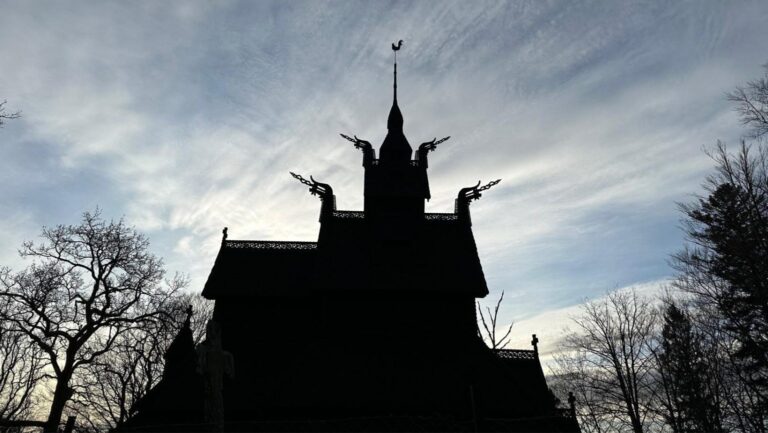
There is an entry fee to go inside the church during the open season. If you are on a very tight budget, you can still see the exterior from outside the perimeter, although the full experience is naturally more limited.
Where to Stay in Bergen on a Budget
Accommodation is likely to be one of your biggest expenses in Bergen, especially from May to September.
The best advice is simple: book early, compare locations carefully, and check what is included. A hotel that looks cheap at first glance may be less appealing once you add breakfast, transport, or luggage storage costs.
Citybox Bergen is a popular budget-friendly choice near the railway station, offering simple rooms with private bathrooms and a self-service concept. It will not suit everyone, but for travellers who mainly need a clean, central place to sleep, it can be a practical option.
Bergen also has hostels, although Norwegian hostels are rarely as cheap as those in southern or eastern Europe. Even so, they can offer savings compared with hotels, especially for solo travellers or those happy with shared facilities.
Apartments and rooms through rental platforms can also work well, particularly if you want access to a kitchen. However, always check cleaning fees, location, and public transport links before booking.
For a short stay, a low nightly price can quickly become less attractive once extra fees are added.
If breakfast is included in a hotel rate, factor that into your comparison. A generous Norwegian hotel breakfast can save you buying both breakfast and lunch, especially if you are happy with a lighter meal later in the day.
How to Eat Cheaply in Bergen
Eating out is where many visitors to Norway lose control of their budget.
A casual restaurant meal in Bergen can easily cost more than expected, and drinks will increase the bill quickly. If you are travelling on a budget, it is worth planning your meals rather than simply waiting until you are hungry in the most tourist-heavy part of town.
Supermarkets are your friend. Rema 1000, Kiwi, Coop, and Bunnpris branches can all be found in or near the city centre. Bread, cheese, yoghurt, fruit, salads, wraps, and simple ready-to-eat meals can make a perfectly good breakfast or lunch.
Some supermarkets have salad bars or hot food counters, although availability varies by branch. Bakeries can also be a good option for a coffee and something filling, though they are not always as cheap as visitors expect.
If your accommodation has a kitchen, even a basic one, use it. You do not need to cook elaborate meals. Simple breakfasts, packed lunches, and one or two easy dinners can make a big difference over a few days.
Asian restaurants, takeaway spots, and casual eateries often offer better value than traditional Norwegian restaurants. Lunch deals are usually better value than dinner. If you want one proper restaurant meal, consider making it lunch rather than evening dinner.
And remember, there is no need to buy bottled water in Norway. Bring a reusable bottle and refill it from the tap.
Be Careful With Fjord Tours
Many people visit Bergen because they want to see the fjords. This is understandable, but fjord trips can quickly become the most expensive part of your stay.
Packaged tours are popular for good reason. They are convenient, scenic, and easy to understand, especially for first-time visitors. But they are not always the cheapest way to experience the region.
If you are on a strict budget, compare the cost of a package with booking individual train, bus, and boat tickets yourself. This takes more effort and may not always produce big savings, but it is worth checking.
Also ask yourself how much fjord scenery you need. The train journey between Oslo and Bergen already gives you a spectacular introduction to Norwegian landscapes. A shorter self-guided outing using public transport, may be enough if your budget is tight.
This is not to say organised fjord tours are a waste of money. For many travellers, they are worth it. But they should be treated as a deliberate splurge, not something you book automatically because you are in Bergen.
Bergen will never be a bargain destination, and it is better to be honest about that. But it does not have to be ruinously expensive either. Spend where it matters, save where it does not, and Bergen can be a surprisingly rewarding city for travellers watching their budget.
What are your best tips for saving money in Bergen? Let us know your experiences and tips down in the comments.


Perfect, David. I’ve researched many options for my trip to Bergen but you’ve gone that extra mile with great local insights. Thanks for your usual thoroughness.