

Stockholm is a popular city break from Norway and a must-do city on all Scandinavian travel itineraries. Here's how to spend your time in Sweden's capital city.
Stockholm is not only renowned for its innovative design and cultural offerings but also for its picturesque archipelago setting. Comprising 14 islands connected by over 50 bridges, this Nordic gem is a delightful blend of historic charm and modern sophistication.
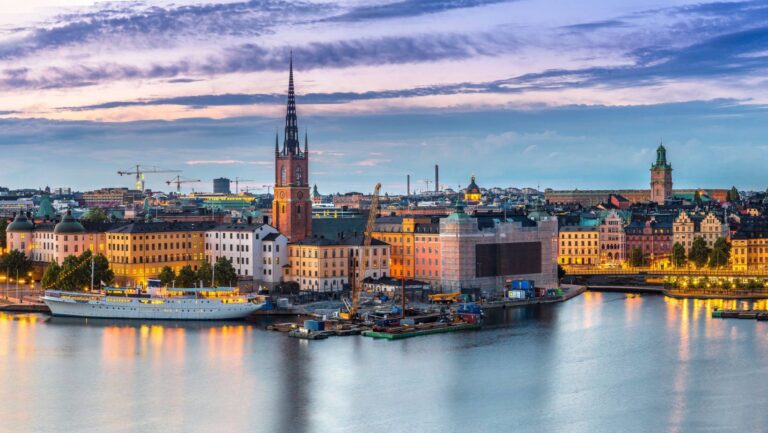
A haven for art enthusiasts, history buffs, and nature lovers, Stockholm seamlessly weaves its rich heritage with avant-garde trends.
Whether you're exploring Gamla Stan's cobblestoned streets or indulging in world-class Swedish design, Stockholm promises an enriching experience at every corner. Here are the best things to do in Stockholm, Sweden.
Top attractions in Stockholm
Let's start with the places and experiences that no-one should miss when visiting the Swedish capital.
1. Gamla Stan (The Old Town)
The heart and soul of Stockholm, Gamla Stan transports visitors through time with its cobblestone streets, rust-coloured buildings, and medieval charm.
Established in the 13th century, this labyrinth of narrow alleyways and picturesque squares is one of Europe's best-preserved medieval city centres.
The undeniable centerpiece is the majestic Royal Palace, a grand Baroque edifice that stands testament to Sweden's regal history. It's not just about grandeur, though. The quieter corners of Gamla Stan reveal artisan boutiques, atmospheric cafes, and hidden courtyards.
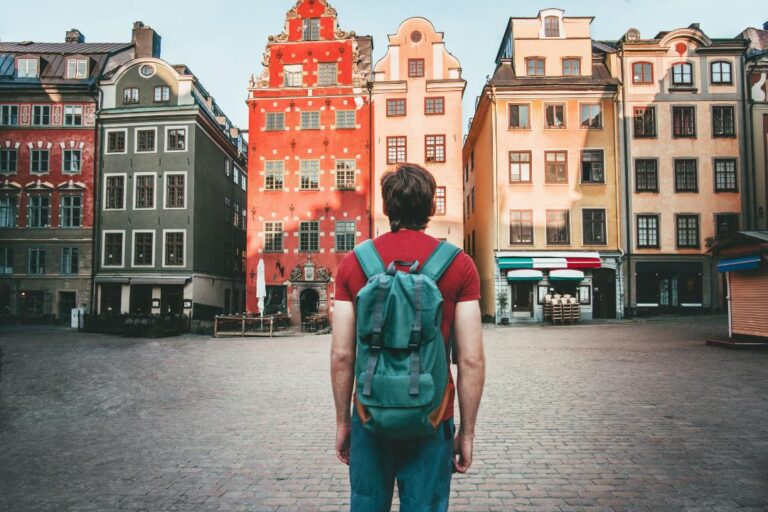
As twilight falls, the district's history shines through, with ancient façades and stories of Vikings, nobles, and merchants whispering in the breeze.
Whether you're tracing the footsteps of history or simply enjoying a fika (Swedish coffee break) in a quaint cafe, Gamla Stan promises a journey back in time.
2. Stockholm Archipelago
A vast expanse of shimmering waterways, dotted with over 30,000 islands, the Stockholm Archipelago is a natural wonder that encapsulates the essence of Scandinavian beauty.
Each island, from rugged wilderness outposts to manicured retreats, offers a unique experience. With ferries crisscrossing the serene waters, explorers can island-hop, discovering hidden beaches, age-old fishing villages, and dense forests.
Whether you're kayaking amidst the isles, indulging in local seafood delicacies, or simply gazing at the horizon from a traditional wooden cottage, the Stockholm Archipelago beckons all.
A myriad of boat trip options are available from Stockholm harbour that give you so almost endless choice. Our recommendations include:
- Grinda: A nature lover's paradise, Grinda boasts lush meadows, dense forests, and pristine swimming spots, making it a popular summer getaway.
- Sandhamn: The island's picturesque village, vibrant sailing scene, and beautiful sandy beaches make it a favorite destination among both locals and tourists.
- Vaxholm: Often referred to as the “gateway to the archipelago,” Vaxholm combines historic fortifications, a lively harbor, and charming wooden buildings, offering visitors a blend of history and scenic beauty.
3. Djurgården Island
An emerald gem amidst Stockholm's urban sprawl, Djurgården is where nature and culture intertwine. Originally the Royal Hunting Grounds, today it's a beloved sanctuary for both locals and tourists.
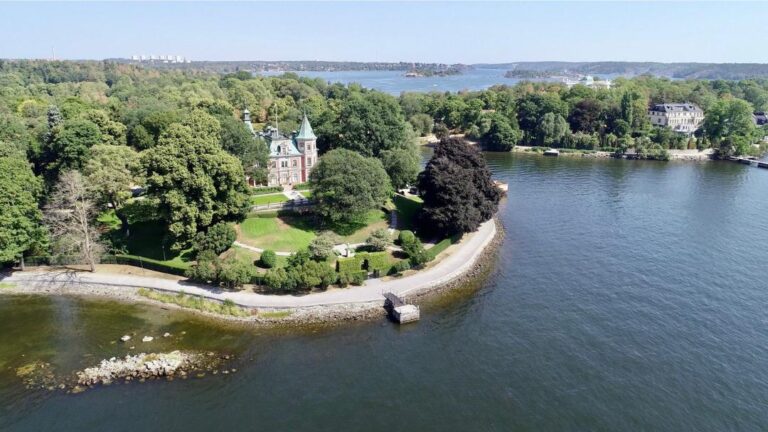
Gröna Lund, the island's storied amusement park, offers thrill-seekers an array of rides, while the various museums, including the Vasa and Skansen, narrate tales of Swedish heritage.
Amidst these attractions lie sprawling gardens, meandering trails, and serene lakes, providing tranquil retreats.
Whether you're taking a leisurely bike ride, picnicking under the canopy of ancient trees, or attending a summer concert, Djurgården offers an escape from the busy city.
4. Kungsträdgården
Nestled in the heart of the city, Kungsträdgården, or “the King's Garden,” is Stockholm's beloved urban oasis. Established in the 15th century as a royal garden, it's now a vibrant hub for recreation and relaxation.
Fountains dance, children play, and live performances fill the air with melodies. Seasonal events, from ice-skating in winter to outdoor concerts in summer, ensure there's always a reason to visit.
5. Södermalm District
Once a working-class district, Södermalm has evolved into an epicentre of creativity and trendsetting in Stockholm. Vintage boutiques, avant-garde galleries, and bohemian cafes line its streets, each with its unique story and style.
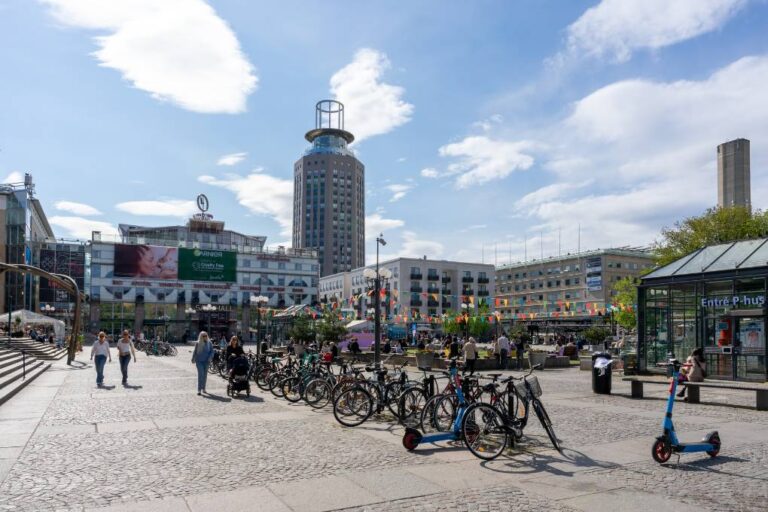
The district buzzes with an energy, fuelled by artists, musicians, and designers who call it home. As night descends, Södermalm's eclectic bars and music venues come alive.
6. Fjällgatan Viewpoint
High above the city, Fjällgatan viewpoint offers a perspective that captures Stockholm's majestic sprawl. From historic Gamla Stan to the modern skyscrapers, from the tranquil waters of Lake Mälaren to the bustling harbor, the panoramic view covers it all.
Historic wooden cottages, preserved from bygone eras, flank the viewpoint, offering a stark contrast to the modern metropolis below.
As the sun sets, casting a golden hue over Stockholm's spires and bridges, Fjällgatan becomes a favourite spot for photographers.
Museums in Stockholm
Fans of art and history will find no shortage of things to do in Stockholm.
7. Vasa Museum
The Vasa Museum is one of Stockholm’s most extraordinary attractions, built around a warship that should have been one of the great symbols of Swedish power. Instead, the Vasa sank in Stockholm harbour in 1628, just minutes into its maiden voyage.
After more than three centuries beneath the water, the ship was raised in the 1960s and painstakingly restored. Today, it stands inside a purpose-built museum on Djurgården, offering visitors a rare chance to see such a ship at full scale.
The first view of the Vasa is unforgettable. The ship’s dark wooden hull, carved figures and towering stern make an immediate impression, especially when you realise how much of the original vessel has survived.

It is not a model or a reconstruction, but a genuine ship from Sweden’s age as a major Baltic power.
The museum does an excellent job of explaining not only how the ship was built and why it sank, but also what life was like for the people connected with it.
Exhibitions cover the sailors, shipbuilders, weapons, sculptures and salvage operation, turning what could have been a simple maritime display into a much broader story of ambition, politics, technology and human error.
Even visitors with little interest in naval history often find the Vasa Museum compelling because the story is so easy to grasp. It is dramatic, visual and slightly absurd: a grand royal warship that sailed barely more than a kilometre before disappearing beneath the water.
8. Skansen Open-Air Museum
Skansen, the world's oldest open-air museum, paints a vivid picture of Swedish living across centuries. Sprawling over vast acres on Djurgården Island, the museum features historic buildings, traditional workshops, and live demonstrations.
From glass-blowing to bread-baking, visitors can immerse themselves in Sweden's rich heritage, observing craftsmen at work and even partaking in hands-on activities.
Folk music, dance performances, and seasonal festivals further enhance the authentic experience, making Skansen a living, breathing chronicle of Swedish traditions.
9. Moderna Museet
Nestled on Skeppsholmen Island, Moderna is dedicated to modern, contemporary art. Within its minimalist walls, the museum houses an impressive collection of works by iconic artists like Picasso, Dali, and Matisse.
From surrealism to pop art, the exhibits span diverse genres, capturing the evolution of art over the 20th and 21st centuries.
10. ABBA: The Museum
For fans of Swedish pop culture, ABBA: The Museum is one of Stockholm’s most entertaining attractions.
Located on Djurgården, close to several of the city’s other major museums, it offers an interactive journey through the story of one of Sweden’s most famous cultural exports.
The museum traces the rise of Agnetha, Björn, Benny and Anni-Frid from their early careers to Eurovision fame and global success. Costumes, gold records, stage designs and personal stories help place the band’s music in the context of 1970s pop culture and Sweden’s growing international profile.

What makes the museum especially memorable is its hands-on approach. Visitors can step into a recreated recording studio, test their singing skills, explore digital exhibits and even appear on stage with virtual versions of the band.
It is nostalgic, playful and very well suited to visitors who prefer interactive museums over traditional display cases.
You do not have to be a lifelong ABBA fan to enjoy it, although it certainly helps. The museum is also a useful reminder of how much Swedish music has shaped global pop culture.
Because ABBA: The Museum is one of Stockholm’s most popular paid attractions, advance booking is recommended. It combines well with nearby attractions such as the Vasa Museum, Skansen and Gröna Lund.
11. Fotografiska
In a historic customs house by the water, Fotografiska is a celebration of contemporary photography. The museum showcases rotating exhibitions from renowned photographers worldwide, spanning genres from portraiture to landscape.
Beyond the visual delights, Fotografiska prides itself on being a space for reflection, discussion, and inspiration.
12. The Nobel Museum
Sweden is the home of the prestigious Nobel Prizes. In the heart of Gamla Stan, the Nobel Museum honours the legacies of Nobel laureates and the history of the awards.
Through interactive displays, original artifacts, and multimedia presentations, visitors can delve into the groundbreaking contributions of these luminaries in diverse fields from physics to literature.
13. Nordic Museum
Housed in a stunning Renaissance-style building, the Nordic Museum narrates 500 years of Scandinavian lifestyle, traditions, and fashion.
Each exhibit, whether showcasing festive costumes, traditional crafts, or everyday household items, offers a tangible link to the region's past.
14. The Hallwyl Museum
Once the residence of Count and Countess von Hallwyl, this palace-turned-museum showcases their vast collection of art, antiques, and curiosities.
Each room, meticulously preserved, reflects the tastes and lifestyles of the Swedish elite in the late 19th and early 20th centuries.
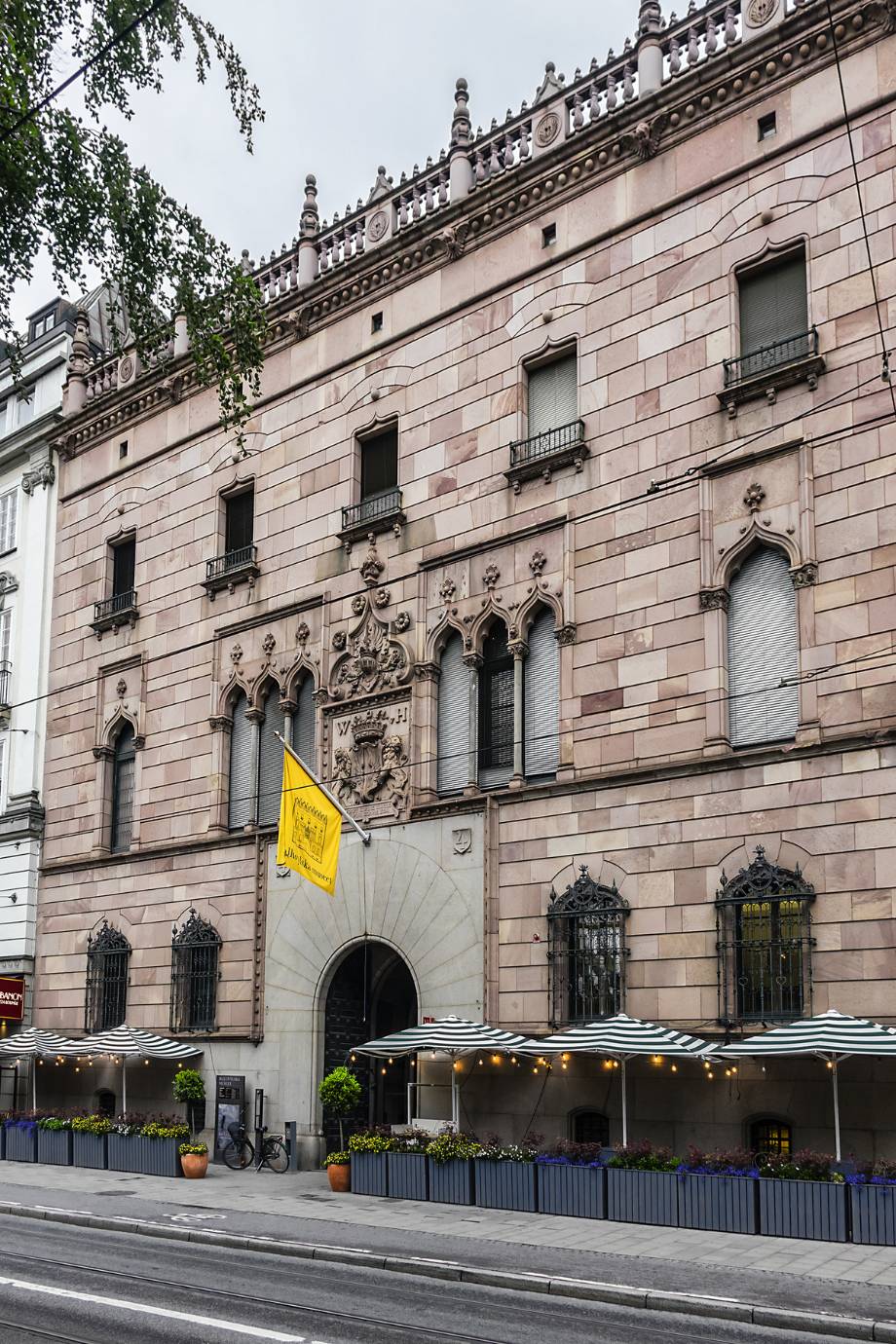
From ornate drawing rooms to the weaponry gallery, the Hallwyl Museum provides an intimate glimpse into the grandeur of bygone days.
15. Swedish History Museum
Tracing the narrative of Sweden from its Viking roots to its medieval majesties, the Swedish History Museum is a must for history buffs. Highlights include the extensive Viking exhibit, showcasing weapons, jewellery, and a recreated Viking ship.
The Gold Room, glittering with gold and silver artefacts, is another crowd-puller, offering insights into the nation's affluence and artistry across ages.
Royal Residences in Stockholm
Stockholm’s royal history is not confined to museum displays. It is still part of the city’s identity, visible in grand palaces, ceremonial traditions and formal gardens that remain closely connected to Sweden’s monarchy.
For visitors, the royal residences offer a useful way to understand how Stockholm developed as a capital city. They also add variety to an itinerary, combining architecture, history, interiors and scenic settings.
16. Royal Palace
With a majestic position in Gamla Stan, the Baroque Royal Palace is one of Europe’s largest palaces and a major landmark in the heart of Stockholm. Although it remains the official residence of the Swedish monarch, much of the building is open to visitors.
Inside, the palace offers several attractions in one place. The lavish State Apartments reveal the scale and ceremony of royal life, while the Royal Treasury safeguards the Swedish crown jewels. The Royal Armoury, housed within the palace complex, adds another layer of history with royal costumes, armour and carriages.
The daily changing of the guard is especially popular with visitors, particularly in the main summer season when the ceremony can feel like a performance in its own right. Timings can vary, so it is worth checking the schedule before planning your visit.
Even if you do not go inside, the palace courtyards and surrounding streets give a strong sense of Stockholm’s royal and political importance.
17. Drottningholm Palace
Set beside Lake Mälaren, Drottningholm Palace offers a very different royal experience from Gamla Stan. While the Royal Palace feels urban and ceremonial, Drottningholm is more peaceful, with gardens and a sense of escape from the city.
As the private residence of the Swedish Royal Family, the palace is still very much connected to modern royal life. At the same time, parts of the site are open to visitors, allowing a glimpse into one of Sweden’s most important historic environments.
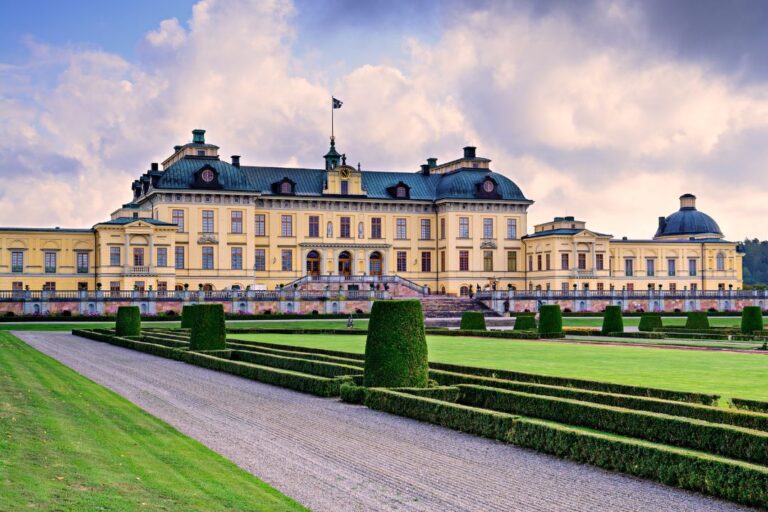
Listed as a UNESCO World Heritage Site, Drottningholm is known for its elegant palace interiors, landscaped gardens, well-preserved palace theatre and the Chinese Pavilion. Together, they show how royal taste, European influence and theatrical culture shaped the estate over several centuries.
The journey is part of the appeal. In the warmer months, many visitors choose to travel by boat from central Stockholm, turning the palace visit into a scenic excursion across Lake Mälaren.
It requires more time than the central Royal Palace, but for travellers with a deeper interest in history, gardens or architecture, Drottningholm is well worth the effort.
Cultural Landmarks
Stockholm’s museums and royal residences tell much of the city’s story, but some of its most memorable cultural experiences are woven into everyday life.
From a medieval cathedral in the heart of the Old Town to art-filled metro stations and a historic food hall, these stops add depth and variety to any Stockholm itinerary.
18. Storkyrkan (Stockholm Cathedral)
Tucked between the Royal Palace and the narrow streets of Gamla Stan, Storkyrkan is Stockholm’s oldest church and one of the city’s most important historic buildings. Also known as Stockholm Cathedral, it has stood at the heart of the Swedish capital since the Middle Ages.
From the outside, the cathedral blends into the surrounding Old Town more quietly than visitors might expect. Its Baroque exterior does not immediately reveal the history inside. Step through the doors, however, and the scale and atmosphere of the building become clear.
The highlight for many visitors is the dramatic wooden sculpture of St. George and the Dragon, one of Stockholm’s great medieval treasures. The cathedral has also played an important role in royal ceremonies over the centuries, including coronations and weddings.
19. Stockholm Metro Art
Public transport is not usually considered a tourist attraction, but Stockholm’s metro system is a clear exception.
Often described as the world’s longest art exhibition, the city’s subway network features artwork in many of its stations, turning ordinary journeys into something far more memorable.
Since the mid-20th century, artists have used Stockholm’s metro stations as vast public canvases. The result is a striking mix of murals, mosaics, sculptures, painted rock walls and installations.
Some stations feel like caves, others like galleries, while a few are almost theatrical in their use of colour and space.
For visitors, the beauty of Stockholm’s metro art is that it does not require a special ticket beyond normal public transport access. You can build it into a regular sightseeing day, stopping at a handful of the most interesting stations between other attractions.

Among the most photographed stations are T-Centralen, known for its blue-and-white designs; Stadion, with its rainbow arch; and Kungsträdgården, where the station itself feels like an archaeological discovery. But part of the fun is simply keeping your eyes open as you travel around the city.
The metro art is also a reminder of something Scandinavia does especially well: making design and culture part of everyday life rather than confining it to museums.
20. Ostermalms Saluhall
Food halls are often among the best places to understand a city, and Östermalms Saluhall is one of Stockholm’s finest examples.
First opened in the 1880s, this historic market hall has long been associated with high-quality Swedish produce, traditional dishes and specialist food stalls.
Located in the elegant Östermalm district, the red-brick market hall is worth seeing for the building alone. Inside, the atmosphere is polished but lively, with counters selling seafood, meats, cheeses, chocolates, breads and other delicacies.
It is a particularly good place to browse if you want an introduction to Swedish flavours without committing to a formal restaurant meal.
Visitors can sample classic Scandinavian ingredients such as pickled herring, smoked salmon, prawns, cured meats and crispbread, or sit down for lunch at one of the market’s restaurants.
Swedish meatballs, seafood dishes and seasonal specials are all commonly found here, depending on the vendor and time of year.
21. Stockholm City Hall
With its waterfront position and distinctive tower, Stockholm City Hall is one of the city’s most recognisable landmarks. Completed in the early 20th century, the building is both a working seat of local government and one of Stockholm’s great architectural showpieces.
For many visitors, its international fame comes from the Nobel Prize banquet, which is held here each December. The Blue Hall, despite its name, is best known for its warm brick interior and grand staircase, while the Golden Hall dazzles with mosaics that tell stories from Swedish history and mythology.
Guided tours are the best way to experience the building, as much of the interior is not open for casual wandering. They also help explain the symbolism woven into the architecture, from references to Venice to details rooted in Swedish national identity.
Even without taking a tour, Stockholm City Hall is worth visiting for its setting alone. The waterside location offers excellent views, making it a rewarding stop for photographers and anyone planning a scenic walk through the city.
Have you ever been to Stockholm? Let us know your favourite things to do in the city in the comments below. If you enjoyed this post, why not share it on Pinterest or Facebook so others can find and enjoy it too? Just hit those social sharing buttons.


We dropped by in the morning to see the Vasa museum. We only meant to spend an hour there. In the end we had lunch at the museum and stayed until closing time. What a fantastic exhibit!