

Is your life a little too cluttered? If you're overwhelmed with busyness, perhaps you should take a few lessons from Scandinavian minimalism.
Many people around the world have long been intrigued by Scandinavia. Whether it is the region’s approach to society, its welfare systems, or its distinctive creative output, Nordic ideas travel far beyond the north.
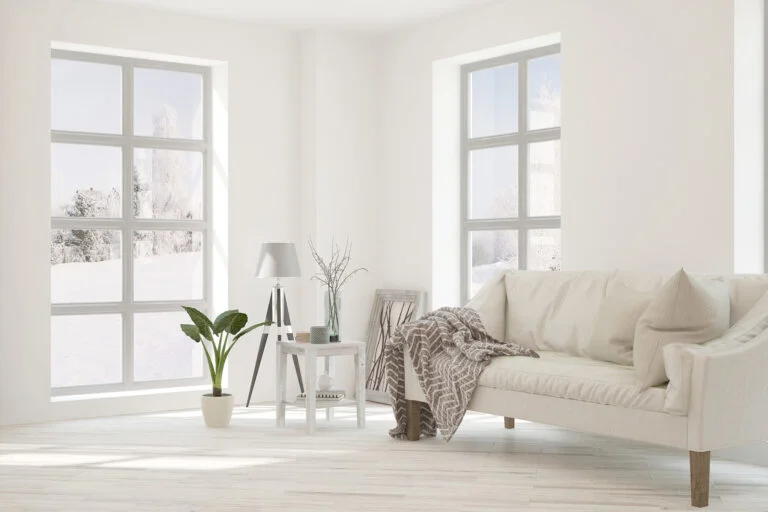
Minimalism is one of those ideas. It is often associated with stark white rooms and strict rules about possessions, yet the Scandinavian interpretation is something quite different. It is softer, more human, and far more practical.
Before going further, a quick note on terminology. The terms Nordic and Scandinavian are often used interchangeably, including here. Strictly speaking, Scandinavia refers to Denmark, Norway and Sweden. Add Finland and Iceland, and you have the Nordic region.
That distinction matters less than the shared philosophy. Across these countries, you will find a common thread: a preference for simplicity, balance and thoughtful living.
A Minimalist Approach to Design and Life
Scandinavian minimalism is not about owning as little as possible. It is about making space for what matters.
In design terms, that means clean lines, uncluttered surfaces, and a focus on natural light. Rooms are often bright, open and calm, with carefully chosen furniture rather than excessive decoration.
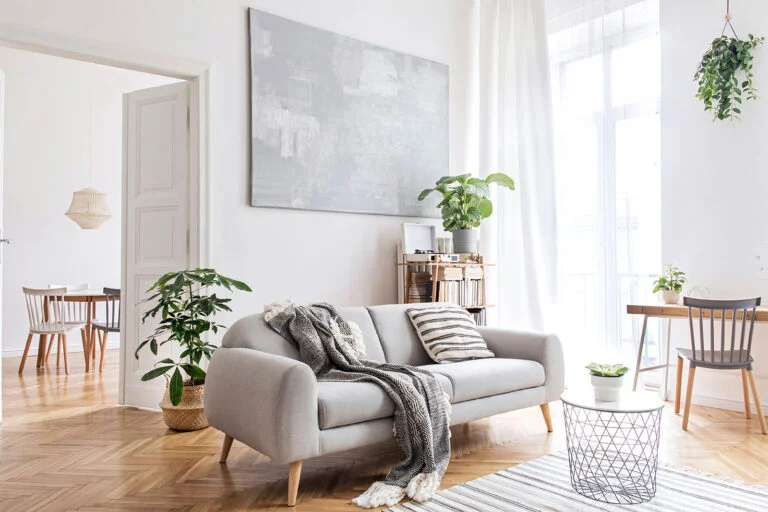
Yet unlike some minimalist traditions, the Nordic approach rarely feels cold. Comfort is central. Soft textiles, warm lighting and tactile materials ensure that simplicity does not come at the expense of liveability.
This balance reflects a deeper cultural mindset. Scandinavian minimalism is as much about how people live as how their homes look. It encourages a slower pace, a connection to nature, and a degree of intentionality in everyday choices.
The Influence of Climate and Geography
To understand why this style developed, it helps to look at the environment.
Long, dark winters have shaped daily life in the Nordic region for centuries. When daylight is limited, interiors become especially important. Maximising natural light, avoiding visual clutter, and creating a sense of calm all contribute to wellbeing during those darker months.
Space has also played a role. While Scandinavian homes are not always tiny, they are often more compact than those in North America. Efficient use of space has therefore become a priority.
Large windows are common, even in modest homes. Light-coloured walls reflect what daylight there is. Storage is often built in and discreet. The result is a sense of openness, even when square metres are limited.
Nature is never far away either. Whether through wooden materials, indoor plants or simply the view outside, the natural world is brought into the home wherever possible.
Key Characteristics of Scandinavian Minimalist Design
If there is one phrase that captures Scandinavian design, it is “less, but better.”
That idea shows up in several ways. Materials tend to be natural and durable, such as wood, wool and leather. Colour palettes are often neutral, with whites, greys and soft earth tones dominating.
Furniture is typically functional first, decorative second. Pieces are designed to last, both in terms of quality and style. Many homes feature iconic mid-century designs that remain just as relevant today.
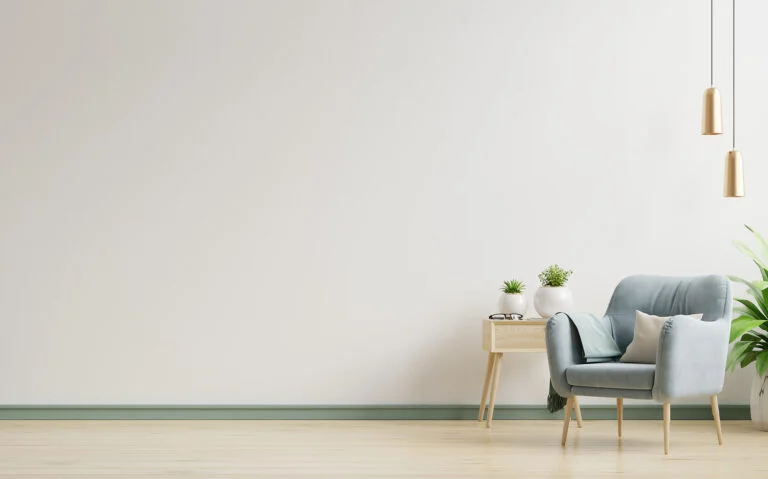
Clutter is kept to a minimum, but not eliminated entirely. Personal items still have a place, just not in overwhelming quantities. Surfaces are curated rather than crowded.
Lighting is another defining feature. Instead of relying on a single overhead source, Scandinavian homes often use multiple lamps to create a warm, layered effect. This becomes especially important during the winter months.
Even children’s spaces reflect this philosophy. Toys are often simple, well-made and designed to encourage imagination rather than overstimulation.
The Concept of Lagom
One of the most useful ideas for understanding Scandinavian minimalism is the Swedish concept of lagom.
Photographer and author Lola Akinmade Åkerström describes it as something close to “just enough” or “the right amount.” It is not about extremes, but about balance.
Lagom applies far beyond interior design. It influences how people work, spend money, and interact with others. It encourages moderation and fairness, avoiding excess without promoting deprivation.
In the home, this might mean choosing fewer, better-quality items rather than constantly buying new ones. In daily life, it might mean balancing work and leisure in a way that feels sustainable.
This mindset helps explain why Scandinavian minimalism feels more approachable than stricter interpretations. It is not about perfection. It is about finding what works.
How Scandinavian Minimalism Went Global
Although the roots of Scandinavian design go back to the early 20th century, it was the mid-century period that brought international recognition.
In the 1950s, the Lunning Prize helped showcase Nordic designers to a wider audience. Established by Danish importer Frederik Lunning, the award supported emerging talent and promoted Scandinavian design abroad.
At the same time, American editor Elizabeth Gordon played a key role in shaping perceptions. Her 1954 exhibition “Design in Scandinavia” toured the United States and introduced many people to this new aesthetic.
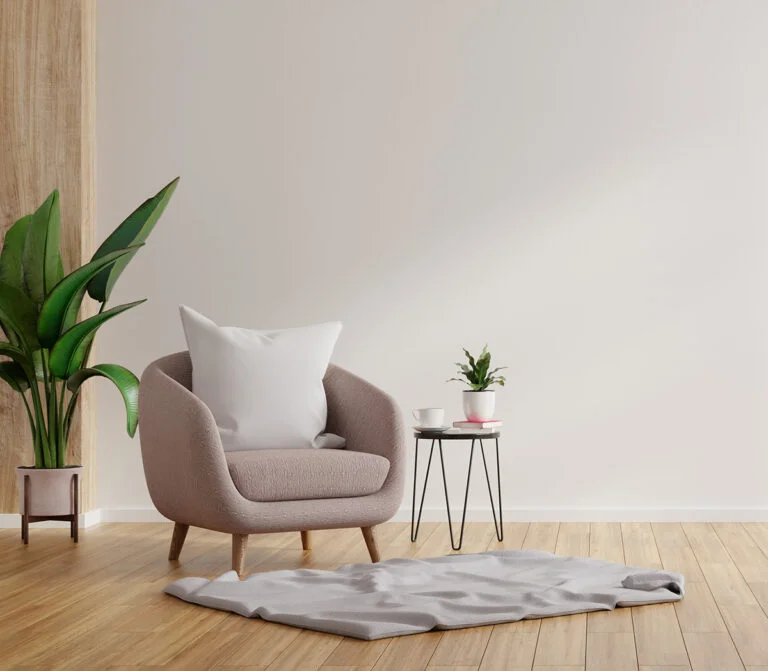
What made it so appealing was its accessibility. Unlike more ornate European styles, Scandinavian design emphasised affordability and practicality. It was modern without being intimidating.
By the 1960s, the style had become synonymous with clean, democratic design. Today, its influence can be seen everywhere, from high-end interiors to flat-pack furniture.
Scandinavian Minimalism Today
Modern Scandinavian homes are not immune to consumer culture. People still buy gadgets, follow trends and upgrade their spaces.
Yet the underlying principles remain visible. There is still a strong emphasis on functionality, quality and simplicity.
Open-plan living areas are common, allowing light to flow through the home. Kitchens are often designed to be both practical and social spaces. Storage solutions are integrated wherever possible.
Sustainability has also become a more prominent concern. Many Scandinavian consumers prioritise durability and environmental impact when making purchases. This aligns naturally with minimalist thinking.
There is also a growing awareness of digital clutter. Just as physical possessions can accumulate, so too can notifications, apps and online commitments. For some, minimalism now extends into the digital world.
A Scandinavian Minimalist Lifestyle
Minimalism in Scandinavia is not limited to interiors. It also shows up in everyday habits and cultural norms.
One of the most well-known concepts is friluftsliv, the Norwegian idea of embracing outdoor life. Spending time in nature is seen as essential rather than optional. It offers a reset from busy routines and a reminder of what matters.
This connection to nature often encourages simpler living. Activities such as hiking, skiing or visiting a cabin require little more than basic equipment and a willingness to slow down.
Work-life balance is another area where minimalist thinking appears. While not perfect, Scandinavian countries tend to prioritise time off and flexible working arrangements. The goal is not constant productivity, but a sustainable rhythm.

Even social interactions can reflect this approach. There is often an emphasis on equality and low-key gatherings rather than elaborate displays.
Voices from the Nordic Minimalist Movement
The rise of social media has given Scandinavian minimalists a global audience.
Susanna Heiskanen of the Nordic Mum podcast is based in Finland. She often talks about Nordic lifestyle in general and why the region is considered to be so happy. She often shares tips on simplifying your life along Nordic principles.
For example, her view on minimalism is it doesn’t necessarily mean throwing everything away: “There has been lots of noise on social media about minimalism being the same as decluttering. Well, it is not the same. But it is a way to get started with the minimalistic way of living.”
Jenny Mustard is a Swede living in Berlin. Her YouTube channel shows off her minimal style and home decor, along with her love of monochrome colour schemes. She shares a lot of Swedish lifestyle tips along with minimalist fashion advice.
These voices highlight an important point. Scandinavian minimalism is not a rigid set of rules. It is a flexible framework that individuals interpret in their own way.
The Rise of Japandi
In recent years, a new design trend has emerged that builds on these ideas. Japandi combines Japanese and Scandinavian aesthetics, bringing together two cultures that share a respect for simplicity and craftsmanship.
While the two regions are geographically distant, their design philosophies have surprising similarities. Both value natural materials, clean lines and a sense of calm.
Japandi interiors often feature muted colour schemes, low-profile furniture and an emphasis on texture. The result is a style that feels both minimal and warm.
This fusion has gained popularity worldwide, particularly among those looking for a balance between elegance and comfort.
Practical Ways to Apply Scandinavian Minimalism
Adopting Scandinavian minimalism does not require a complete lifestyle overhaul. Small changes can make a noticeable difference.
Start with your space. Clear surfaces and remove items that do not serve a purpose. Focus on creating a sense of openness rather than filling every corner.
Pay attention to light. Use mirrors, lighter colours and layered lighting to brighten your home, especially in darker months.
Choose quality over quantity. When buying something new, consider how long it will last and how well it fits your needs.
Bring nature indoors. Plants, natural materials and even simple views can help create a calming atmosphere.
Finally, consider your routines. Minimalism is not just about objects. It is also about how you spend your time and energy.
Common Misconceptions About Scandinavian Minimalism
One of the biggest misunderstandings is that Scandinavian minimalism is about deprivation.
In reality, it is about comfort and functionality. Homes are designed to be lived in, not admired from a distance.
Another misconception is that everything must be white or neutral. While these colours are common, they are not mandatory. Many Scandinavian homes include colour through textiles, artwork or seasonal decorations.
It is also worth noting that not everyone in Scandinavia lives this way. Just like anywhere else, lifestyles vary widely. Minimalism is a cultural influence, not a universal rule.
Why Scandinavian Minimalism Still Resonates
In a world that often feels fast-paced and overwhelming, the appeal of Scandinavian minimalism is easy to understand.
It offers a way to simplify without sacrificing comfort. It encourages balance rather than extremes. It prioritises quality, both in objects and experiences.
Perhaps most importantly, it feels achievable. You do not need to live in Norway, Sweden or Denmark to adopt these ideas. The principles can be applied anywhere.
That is why Scandinavian minimalism continues to inspire. It is not just a design trend, but a way of thinking about how we live.
So, is your life a little too cluttered? If so, a touch of Nordic inspiration might be exactly what you need.
What do you think about Scandinavian minimalism? Is your life a little too cluttered? Let us know in the comments! If you enjoyed this post, why not share it on Pinterest? We've got the ideal pin for you. Just hit those social sharing buttons.