
A Norway cruise can be spectacular, but it’s easy to misunderstand the weather, distances, prices, ports, and what “fjord cruising” really means.
Norway is one of the world’s great cruise destinations. The country’s jagged coastline, deep fjords, coastal cities, Arctic landscapes and long summer days make it seem almost designed to be explored from the water.
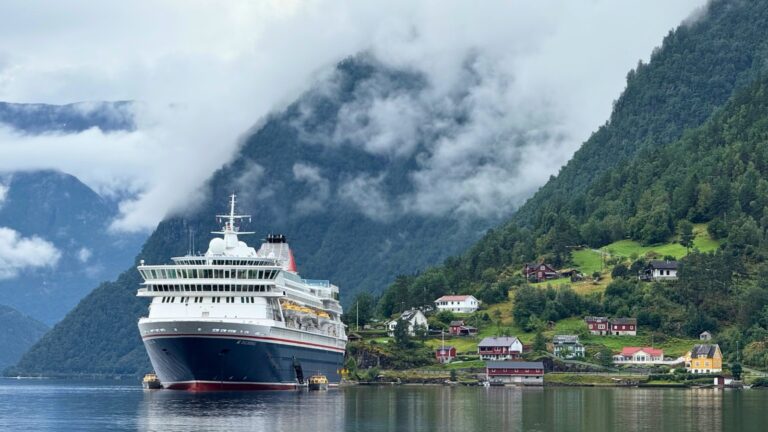
In many ways, it is. Roads in Norway often bend around mountains, cross fjords by ferry, or simply stop where the landscape becomes too difficult. Ships, by contrast, can glide straight into the heart of the scenery.
But while Norway is a wonderful place to visit by cruise ship, it is also easy to misunderstand.
After many years living in Norway, writing about the country, and speaking to cruise passengers on board ships sailing along the Norwegian coast, I have noticed the same surprises come up again and again.
Some people expect every moment to look like a postcard. Some assume a “Norwegian fjords” cruise means several full days deep inside the fjords.
Others arrive unprepared for the weather, the prices, the distances, or the very different atmosphere in small Norwegian communities.
I hear many of these in my travel consulting calls. I’m happy when I do, as I’m able to steer people in the right direction before they make a mistake.
None of these mistakes should put you off. But understanding them before you travel can make the difference between a good Norway cruise and a truly memorable one.
A Fjords Cruise Does Not Always Mean Lots Of Fjords
This is perhaps the biggest misunderstanding of all. Many cruise lines sell Norwegian fjords cruises, but not all of them spend the same amount of time actually sailing inside the fjords.
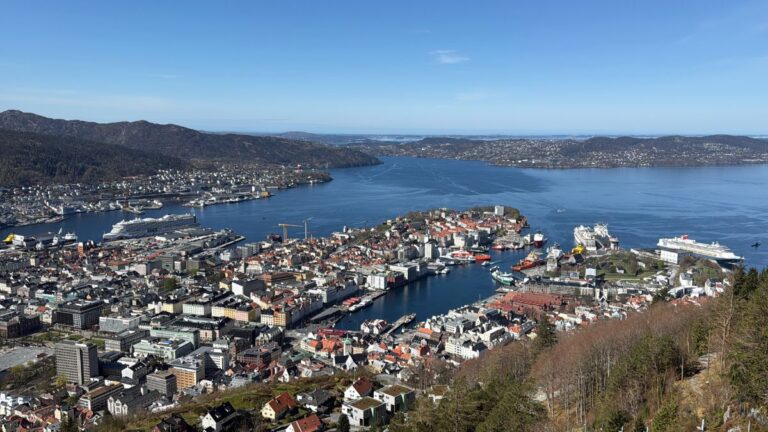
Some cruises include several deep fjord calls, such as Geiranger, Flåm, Olden or Hellesylt. Others may include just one major fjord experience alongside coastal cities such as Bergen, Stavanger and Ålesund.
That does not make the itinerary bad. Far from it. Norway’s coastal towns and cities are full of history, architecture, viewpoints and local character. But it does mean you should look carefully before booking.
Do not just read the title of the cruise. Study the port list, the sailing times and the map. Ask yourself how much of the itinerary is scenic fjord cruising, how much is open coastal sailing, and how much is focused on urban ports.
A cruise that visits Bergen, Stavanger, Kristiansand and Oslo may be a lovely introduction to Norway, but it is not the same experience as sailing deep into the Geirangerfjord.
The Sailing Is Part Of The Destination
In many cruise destinations, the ship is simply a way to get from one city to the next. In Norway, the journey itself is often the highlight.
Some of the best moments on a Norway cruise do not happen ashore at all. They happen early in the morning as the ship slowly enters a fjord, or late in the evening when the mountains glow in the soft northern light.
Waterfalls tumble down rock faces. Tiny farms cling to hillsides. Fishing villages appear in sheltered bays. At times, the ship seems far too large for the narrow landscape around it.
This is why it pays to think differently about your time on board. Do not assume that sea days or scenic sailing periods are downtime. They are often the very reason to take the cruise.
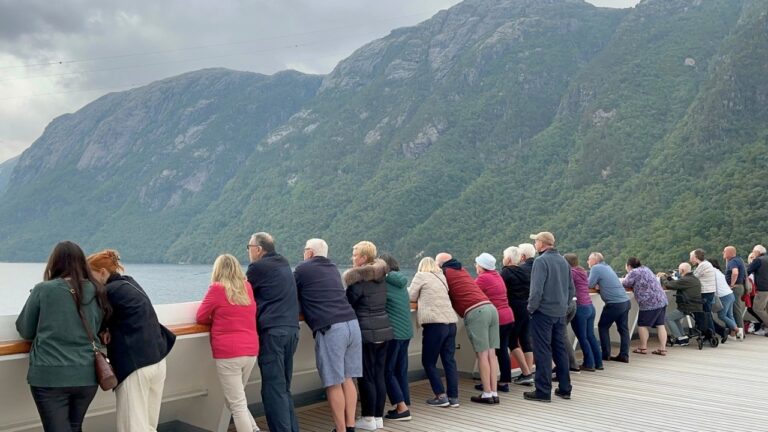
Bring binoculars. Spend time on the open decks. Listen to any announcements about scenic sailing. Check the daily programme for sail-in and sail-away times. If your ship enters a fjord at 5am, it may be worth setting an alarm.
Bigger Is Not Always Better
Large cruise ships can be a lot of fun. They offer more dining options, entertainment, family facilities and onboard activities. For many travellers, especially families or first-time cruisers, that can be exactly what they want.
But Norway rewards access to the outside. The scenery is not something you glance at between activities. It is the main event.
Smaller ships often have advantages here. They may be able to access ports and fjords that larger ships cannot, and they often have a more traditional style of cruising with plenty of outdoor deck space.
That said, big ships can still work very well in Norway. The key is to understand the trade-off. On a larger ship, pay attention to outdoor viewing areas before you book.
Are there open promenade decks? Is there forward-facing public space? Will you be able to move around easily when the scenery is at its best?
A balcony cabin is not essential, but it can be especially valuable in Norway. Even as someone who is usually quite happy in an inside cabin, I do think Norway is one of the destinations where a balcony can make a real difference.
The Weather Is Not A Minor Detail
Many people picture Norway in summer as bright, clear and calm. Sometimes it is. But the weather can change quickly, especially along the coast and in the fjords.
Even in July, you might experience warm sunshine, heavy rain, a cold wind and low cloud on the same day. In northern Norway, the conditions can feel very different from the south. In the mountains, it can be cooler still.
This does not mean you need specialist expedition gear for a mainstream cruise. But it does mean you should pack properly.
Layers are essential. A waterproof and windproof outer layer is more useful than a heavy coat. Comfortable walking shoes are important, as many port towns have cobbled streets, steep paths or wet trails.

Something that’s easy to overlook is that sunglasses and sunscreen are worth packing too, especially in summer or when light reflects from water or snow.
The biggest mistake is dressing for the ship rather than the destination. Although bringing lighter clothes to wear on board is important, Norway is not a place where you want to be trapped indoors because you brought the wrong jacket.
You Do Not Always Need An Excursion
Cruise line excursions in Norway can be excellent. In some ports, they may be the easiest way to reach a glacier, a viewpoint, a mountain road or a remote attraction.
They also offer peace of mind if you are worried about getting back to the ship on time. But they are not always necessary.
Some of Norway’s best cruise ports are easy to explore independently. In Bergen, you can walk to Bryggen, the fish market, the fortress and the Fløibanen funicular. In Stavanger, the old wooden town is right by the cruise port. In Ålesund, the art nouveau centre and the steps to the Aksla viewpoint are easily reached on foot.
The trick is to know the difference between a port where independent exploration is easy and a port where planning matters.
Small fjord villages may look simple on a map, but transport options can be limited. Taxis may be few, buses may not line up with ship times, and popular attractions can sell out. If you want to ride the Flåm Railway, visit Briksdal Glacier from Olden, or reach the North Cape from Honningsvåg, do your research well in advance.
Norway Is Expensive, But Not Every Port Day Has To Be
Norway has a reputation for high prices, and that reputation is deserved. Food, drink, taxis and organised excursions can all be expensive compared with many other cruise destinations. But that does not mean every port day has to be costly.
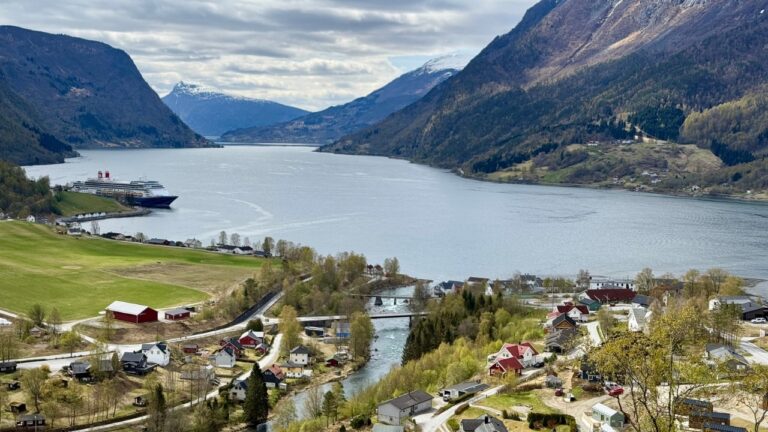
One of the joys of cruising in Norway is that the landscape often does much of the work for free. A walk through an old town, a climb to a viewpoint, a stroll around a harbour or a few hours simply watching the fjord can be just as rewarding as a paid excursion.
Public transport can also be useful in the larger cities, especially Oslo, Bergen, Stavanger, Trondheim and Tromsø. Apps and contactless payment have made things easier, although it is still worth checking local transport information before you arrive.
Another common surprise is the currency. Norway does not use the euro. The currency is the Norwegian krone. However, visitors rarely need much cash. Cards and mobile payments are accepted almost everywhere, even for small purchases.
The Wildlife Is Not Like Alaska
Norway has wonderful wildlife, but some cruise passengers arrive with unrealistic expectations.
You may see sea eagles, puffins, reindeer, seals or whales, especially in northern Norway or on specific wildlife-focused excursions. But sightings are not guaranteed, and they vary significantly by season and region.
A mainstream fjords cruise in southern Norway is not the same as an Alaska cruise. You should not expect constant wildlife sightings from the balcony. In many parts of Norway, the scenery is the main attraction rather than large animals.
If wildlife is a major reason for your trip, choose your itinerary carefully. Northern Norway, Svalbard, Lofoten and specific whale-watching or birding excursions may be better suited to your interests than a standard week-long fjords cruise.
The Northern Lights Are Never Guaranteed
Northern lights cruises have become increasingly popular, and with good reason. Sailing along the Norwegian coast in winter can be a magical experience.
Ports such as Tromsø, Alta and Narvik offer Arctic landscapes by day and the possibility of aurora displays by night. But possibility is the key word.
The northern lights depend on solar activity, clear skies and darkness. A ship can put you in a good location, but it cannot guarantee the show. Some passengers see spectacular displays. Others see only clouds.
A winter cruise in Norway should therefore be about more than the aurora. Dog sledding, snow-covered landscapes, Sámi culture, polar night, museums, cosy cafés and the atmosphere of the Arctic all matter too.
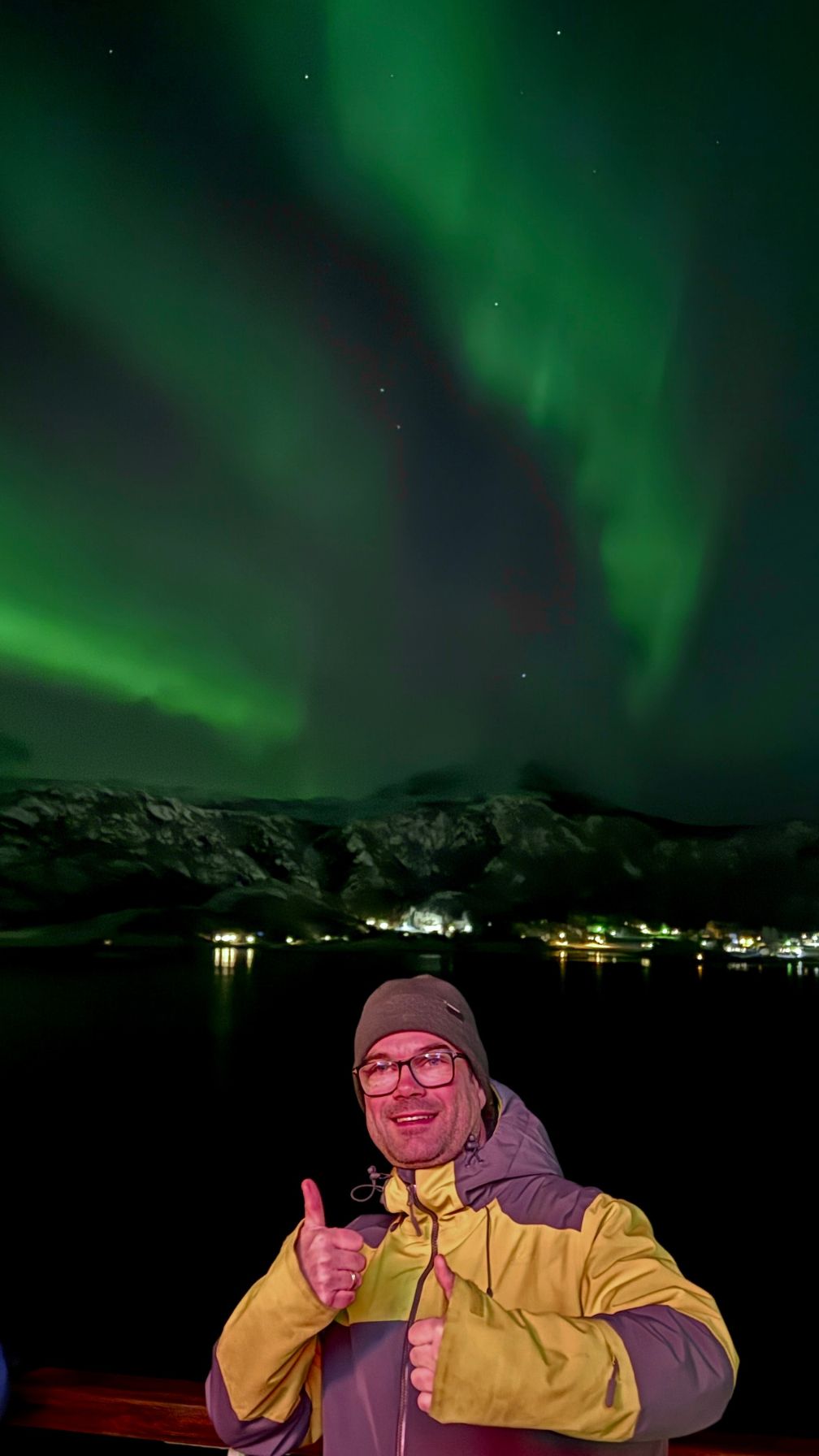
If the lights appear, wonderful. If they do not, the trip should still feel worthwhile.
The Coastal Voyage Is Not A Normal Cruise
Many visitors hear about Hurtigruten or Havila and assume the Norwegian coastal route is simply another cruise option. It is, and it is not.
The coastal route between Bergen and Kirkenes has long served local communities. Ships carry travellers, locals and sometimes cargo along a coastline where the sea has historically been the main road.
That gives the journey a very different feel from a mainstream cruise. There are no casinos, no big production shows and no formal gala nights. Port calls can be short, sometimes just long enough for passengers to stretch their legs while local traffic comes and goes. Sometimes, there's not even enough time to leave the ship.
For some travellers, this is the appeal. The coastal voyage offers a slower, more authentic-feeling connection with Norway’s coastline. For others, especially those expecting a traditional cruise holiday, it may feel too quiet or too functional.
The important thing is to know what you are booking.
Cruise Tourism Is A Sensitive Topic In Norway
Cruise ships bring visitors, income and international attention to many Norwegian destinations. They also bring environmental concerns, crowding and pressure on small communities.
In tiny fjord villages, one large ship can transform the atmosphere for a few hours. Streets, cafés, viewpoints and local paths can suddenly become busy. For residents, the benefits and frustrations of cruise tourism are often felt very directly.
This does not mean cruise passengers are unwelcome. Many communities rely on tourism, and many local businesses value cruise visitors. But it does mean that travelling respectfully matters.
Stay on marked paths. Do not wander into private gardens for photographs. Be patient in small shops and cafés. Support local businesses where possible. Remember that the beautiful village you are visiting for a few hours is also somebody’s home.
Norway is also tightening environmental rules in its most sensitive fjord areas. This is likely to shape the future of cruising, especially in the famous World Heritage fjords.
Norway Is Not One Single Cruise Experience
Perhaps the biggest misconception is that there is one thing called “a Norway cruise.” There is not.
A seven-night fjords cruise from Southampton is very different from a winter northern lights sailing. A summer voyage to the North Cape is different again. The coastal route between Bergen and Kirkenes is not the same as a large resort-style ship visiting Stavanger and Bergen. An expedition cruise to Svalbard belongs in another category altogether.
This is why choosing the right itinerary matters more in Norway than in many other destinations.
Think about what you really want. Do you want dramatic fjord scenery? Arctic landscapes? City sightseeing? Wildlife? A family-friendly ship? A quiet cultural journey? A chance of the northern lights? Long summer days?
Norway can offer all of these things, but rarely all on the same trip.
A Norway Cruise Is Worth It, If You Know What You Are Booking
Cruising is one of the best ways to experience Norway. The country’s coastline, fjords and coastal communities make far more sense from the water than they ever could from a map.
But Norway also rewards preparation. The best trips come from understanding the itinerary, packing for the weather, planning key port days, and leaving enough time to enjoy the scenery from the ship.
Do not assume every fjords cruise is the same. Do not expect perfect weather. Do not judge Norway only by the price of a coffee or the crowds in one small port.
Come with curiosity, patience and realistic expectations, and a cruise to Norway can be extraordinary. After all, few places in the world can offer such a combination of deep fjords, coastal cities, Arctic light and everyday life lived so close to the sea.