
Visit Norway in winter, or spend any time browsing outdoor shops here, and one material seems to appear everywhere: merino wool.
It turns up in base layers, socks, hats, gloves and hiking clothes, and it features heavily in advice on what to pack for Norway's colder months.
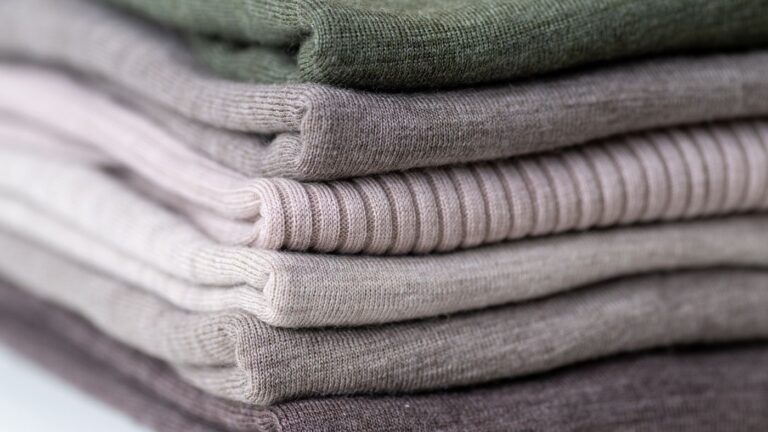
I have become something of a merino wool convert myself. When I first moved to Norway, I wasn't entirely convinced by the Norwegian enthusiasm for all things wool.
I associated it with thick, itchy jumpers rather than something I would voluntarily wear underneath my clothes.
These days, merino base layers are among the first things I reach for when packing for a trip, going hiking or spending a long day outside in changeable weather.
So what exactly is merino wool, and why is it so well suited to life in Norway? Let's dive into the details.
What Is Merino Wool?
Merino wool comes from merino sheep, a breed known for producing especially fine wool fibres.
That fineness is important. Traditional wool can feel coarse or itchy against bare skin, which is one reason many people are reluctant to wear it as a base layer.
Merino fibres are generally much finer and more flexible. That makes good-quality merino clothing considerably softer and more comfortable when worn directly against the skin.
This is why you'll see merino used for everything from thin T-shirts and leggings to socks, hats and underwear.
Of course, not all merino garments are the same. The fineness of wool fibres is measured in microns, with lower numbers generally indicating finer, softer wool.
Why Wool Works So Well in Norway
Norwegian weather is rarely just about dealing with extreme cold.
Wind, rain, snow and rapidly changing temperatures can be just as important. If you're hiking, skiing or simply walking around a Norwegian city in winter, you can also move repeatedly between cold outdoor conditions and warm indoor spaces.
This is where merino wool earns its reputation. Wool fibres can absorb moisture while still retaining insulating properties. In practical terms, that means a wool base layer can remain relatively comfortable even if you become sweaty while walking or skiing.
Merino is also good at regulating temperature. A thin wool layer can help keep you warm when you're standing still without necessarily feeling unbearably hot once you start moving.
That makes it particularly useful in Norway, where dressing in several layers is often much more effective than relying on one enormous winter coat.
A typical cold-weather outfit might consist of a wool base layer, an insulating middle layer and an outer layer designed to protect against wind or precipitation. Each layer has a job to do.
The Norwegian Love of Wool
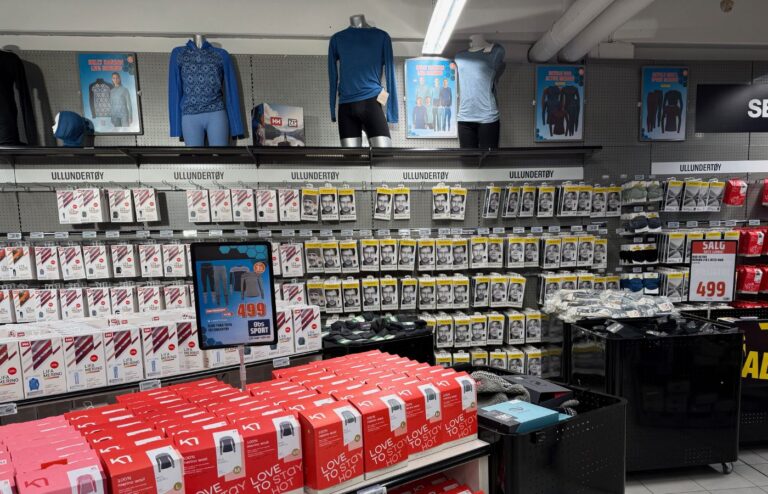
Wool is about much more than hiking gear in Norway. Parents are routinely advised to dress children in wool during the colder months, and Norwegian shops are filled with colourful wool base layers for babies and young children.
The Norwegian term ullundertøy simply means woollen underwear, but in practice it usually refers to long-sleeved tops and leggings designed to be worn as a base layer.
For anyone coming from a country where thermal underwear is reserved for unusually cold weather, the sheer amount of wool clothing on sale in Norway can be surprising.
But the philosophy behind it makes sense. Norwegians tend not to wait until they are freezing before thinking about staying warm. Clothing is chosen to manage changing conditions before they become uncomfortable.
That approach fits naturally with Norway's broader outdoor culture. Whether it's skiing, hiking or simply spending time outside with children, being properly dressed makes it much easier to enjoy the outdoors throughout the year.
Merino Wool Versus Synthetic Base Layers
Merino isn't the only option for a base layer. Synthetic fabrics are extremely common in outdoor clothing and can perform very well. They tend to dry quickly, can be highly durable and are often considerably cheaper than merino.
For high-intensity exercise, some people prefer synthetic clothing precisely because of how quickly it deals with moisture.
Merino has different strengths. One of its most noticeable advantages is odour resistance. A merino top can often be worn for longer without developing the smell associated with a sweaty synthetic T-shirt.
That makes merino especially useful when travelling. If I'm packing for a trip where luggage space is limited, I'd much rather take a couple of merino layers that can be worn repeatedly than fill half a suitcase with ordinary shirts.
There are disadvantages. Merino can be expensive, and very fine merino garments may not be as durable as synthetic alternatives.
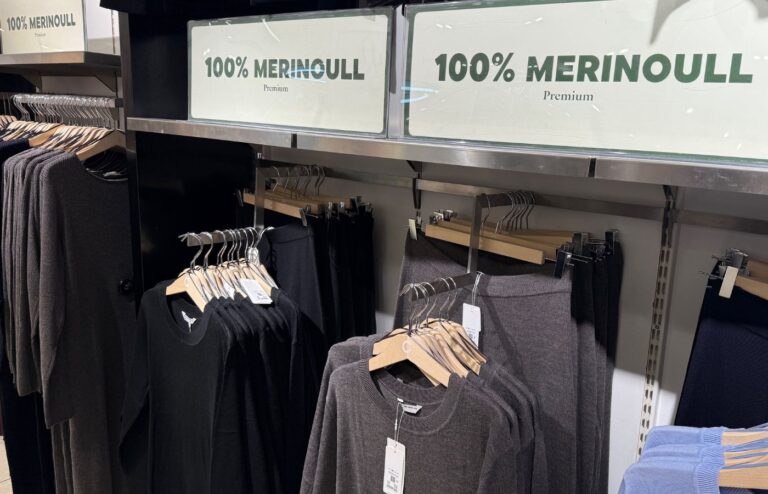
Many outdoor brands therefore combine merino wool with synthetic fibres to try to offer some of the benefits of both.
What Does the Micron Number Mean?
If you've ever shopped for merino clothing, you may have noticed references to microns.
A micron is one thousandth of a millimetre, and in this context it refers to the diameter of the wool fibre. Generally speaking, finer fibres feel softer against the skin.
It's one reason a lightweight merino base layer can feel completely different from the thick wool jumper you may remember being forced to wear as a child.
You may also see numbers such as 150, 200 or 250 attached to merino clothing. These usually refer to the fabric weight in grams per square metre rather than the fineness of the fibre.
A lightweight merino layer can be useful for hiking and milder conditions, while heavier fabrics provide more insulation in colder weather.
Is Merino Wool Sustainable?
The environmental argument around wool is more complicated than it can first appear.
Merino is a natural fibre and, unlike synthetic fibres, wool is biodegradable. A good-quality wool garment can also last for years, particularly if properly cared for. But that doesn't automatically make every wool garment environmentally friendly.
Raising sheep requires land and resources, while livestock farming produces greenhouse gas emissions. Animal welfare is another consideration, and practices differ between farms, producers and countries.
Synthetic clothing comes with its own environmental concerns, including its reliance on fossil fuels and the shedding of tiny plastic fibres during washing.
So rather than declaring one material universally sustainable, it makes more sense to consider how a garment is produced, how long it lasts and how often it will actually be worn.
Buying fewer good-quality garments and using them extensively is likely to make more sense than endlessly replacing cheap clothing, regardless of the material involved.
Caring for Merino Wool
Merino clothing does need slightly different treatment from an ordinary cotton T-shirt.
Always check the label, as washing instructions vary. Many modern merino garments can be machine washed using a wool programme, although high temperatures and aggressive washing cycles should be avoided.
The good news is that merino doesn't necessarily need washing after every use. Often, simply allowing a garment to air between wears is enough. That's another reason it works so well for travel.
Should You Pack Merino Wool for Norway?
You certainly don't need to buy an entirely new merino wardrobe before visiting Norway.
But if you're planning a winter trip, spending significant time outdoors or heading into the mountains, a good wool base layer is one of the most useful pieces of clothing you can bring.
Don't think only about temperature. Staying comfortable in Norway is often about managing moisture, wind and constantly changing conditions. After years of living here, that's something I've finally learned.
And if you don't bring it to Norway, a merino wool garment could end up being a great Norwegian souvenir for a family member or friend!
I may once have looked suspiciously at all those racks of expensive wool in Norwegian shops. These days, whether I'm packing for a winter trip or heading outdoors for the day, merino wool is rarely far from the top of my list.