
A summer cruise to Norway can bring sunshine, rain, wind and chilly evenings, sometimes all on the same day. Here’s what to pack.
Packing for a Norway cruise sounds straightforward. You are going in summer, so surely that means T-shirts, sunglasses, comfortable shoes and perhaps something smart for dinner? Well, yes. But only partly.
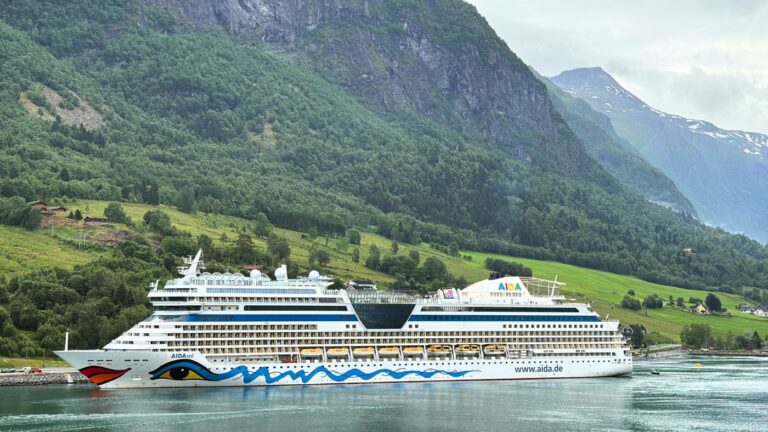
Norway is one of the world’s most spectacular cruise destinations, but its weather is famously changeable.
A warm, sunny morning in Bergen can very quickly become a wet and windy afternoon. A calm sail through a fjord can feel surprisingly cold once you step onto the open deck. In northern Norway, even July can feel fresh, especially in the evening or when the wind picks up.
That does not mean you need to pack for an Arctic expedition. But it does mean you need to think carefully.
The best approach is not to pack heavy clothes. It is to pack flexible clothes. Layers, waterproofs, comfortable footwear and a few cruise-specific extras will make your trip much more enjoyable.
Pack For The Coast, Not Just The Calendar
The biggest mistake many cruise passengers make is assuming that summer in Norway means warm weather every day.
It can be warm, yes. In southern Norway, summer days can be genuinely lovely, with people swimming in the fjord, eating outside and staying up late in the long evening light. In Oslo, Kristiansand and Stavanger, you may well get weather that feels properly summery.
But most Norway cruises are coastal journeys. Many visit western Norway, where Bergen, Ålesund, Flåm, Geiranger and Olden are shaped by mountains, fjords and fast-moving weather. Rain is part of the experience. Wind is common and low cloud can appear quickly, but so can sunshine.
Further north, places such as Tromsø, Honningsvåg and the Lofoten Islands can feel much cooler than first-time visitors expect, even in summer. The midnight sun may be shining, but that does not mean you will be wandering around in shorts at midnight.
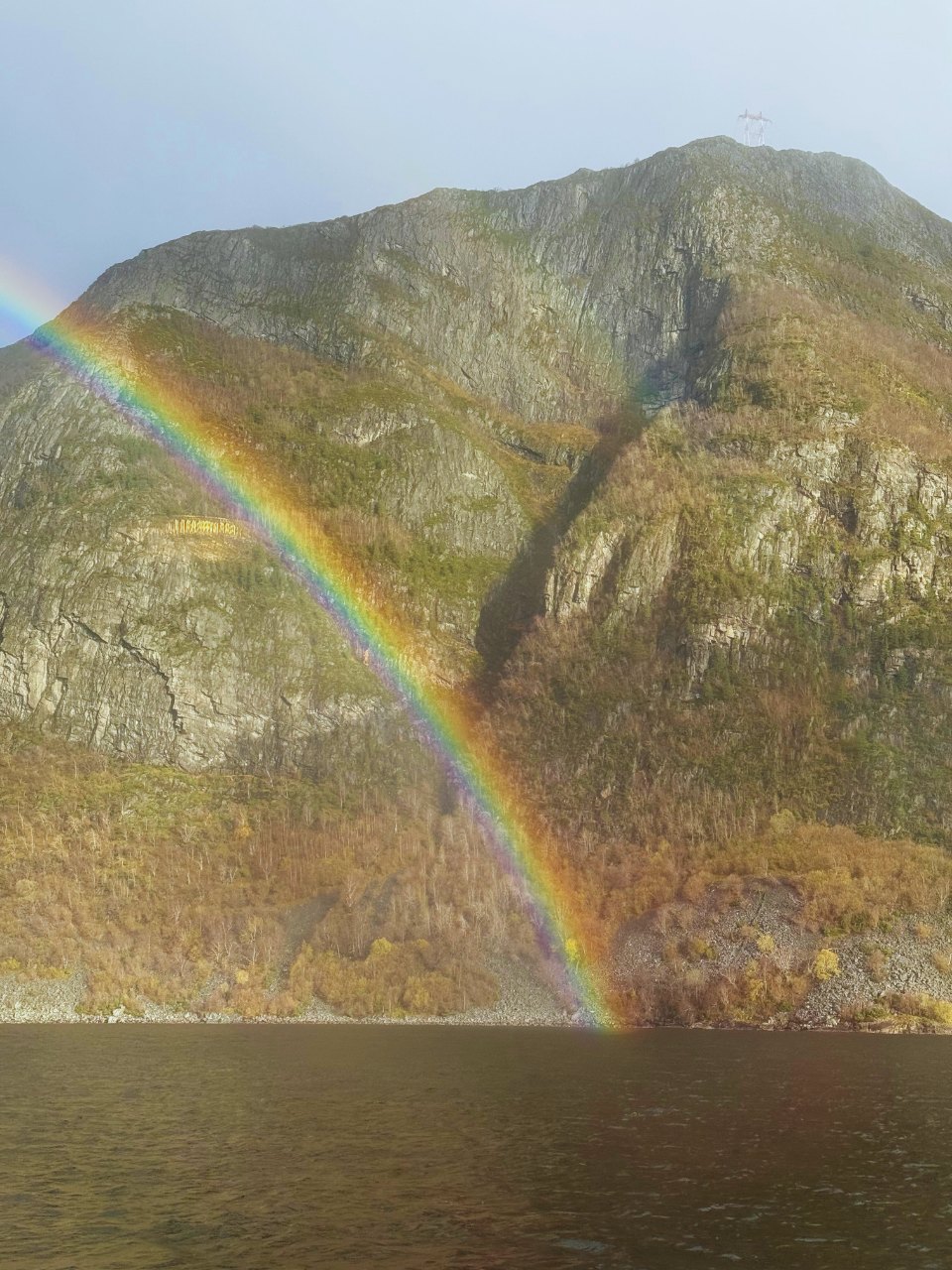
So, the goal is simple: be ready for variety.
Start With Layers
Layers are the foundation of packing for Norway. A good summer cruise outfit might begin with a T-shirt or light long-sleeved top, followed by a fleece, thin wool jumper or other warm mid-layer, with a waterproof and windproof jacket on top.
That combination gives you options. If the sun comes out, you can remove a layer. If the ship enters a windy fjord or rain sweeps in during a port day, you can quickly add one.
Avoid relying on one thick coat. It will be too warm on some days and still not ideal in heavy rain. A lighter system gives you far more control.
Merino wool or synthetic base layers can be useful, especially if you plan to hike or spend a lot of time outside on deck. Cotton is fine for casual city days, but it can feel cold and clammy if it gets wet.
For most summer cruise passengers, a mix of T-shirts, a couple of long-sleeved tops, one or two warm mid-layers and a reliable outer jacket will cover most situations.
Invest In Proper Waterproofs
A waterproof jacket is probably the most important item to pack for a summer cruise to Norway.
Not a fashion jacket. Not something that is only “shower resistant.” Ideally, you want a lightweight, breathable jacket that is both waterproof and windproof, with a hood that actually stays up in the wind.
Rain in Norway is often combined with wind, especially on the coast and on the open decks of a moving ship. An umbrella may be useful in a city, but it is not much help on a windy quayside or while standing outside during scenic cruising.
A good jacket also means you can continue enjoying a port day when the weather turns. Some of the best Norway cruise experiences happen in less-than-perfect weather.
Mist on the mountains, low cloud over a fjord and waterfalls strengthened by rain can all be part of the atmosphere.

Waterproof trousers are not essential for everyone, but they are worth considering if you plan to hike, kayak, cycle, take a RIB boat trip or spend long periods outdoors regardless of the weather.
Choose Footwear Carefully
Comfortable footwear is essential on a Norway cruise. Many ports are easy to explore on foot, but that often means cobbled streets, uneven pavements, steep viewpoints, wet paths and steps.
Bergen, Ålesund, Stavanger and Trondheim are all walkable, but you will enjoy them much more if your feet are comfortable.
For city and town days, sturdy trainers or comfortable walking shoes are usually fine.
But for fjord ports, hiking trails or excursions to places such as Briksdal Glacier, Pulpit Rock viewpoints, mountain roads or coastal paths, waterproof walking shoes or light hiking boots are a better choice.
You do not necessarily need heavy boots unless you are planning serious hikes. In fact, bulky boots can be overkill for many cruise passengers. But shoes with good grip are important, especially if paths are wet.
It is also worth packing a second pair of shoes for the ship. After a wet port day, you will not want to wear damp walking shoes to dinner.
Remember That Ship Decks Can Be Cold
One of the joys of a Norway cruise is spending time outside as the scenery unfolds around you. But even in summer, it can be surprisingly cold on deck.
This is especially true early in the morning, late in the evening, when the ship is moving, or when sailing deep into a fjord where the sun has not yet reached the water. The air temperature may not look especially low, but wind chill makes a difference.
A warm fleece, light insulated jacket, scarf or buff, and even a thin hat can be very useful. Gloves may sound excessive for summer, but if you are sailing to northern Norway or you like standing outside for long periods with a camera, a thin pair takes up almost no room and can make a big difference.
This is particularly relevant for photographers. Waiting outside for the perfect shot of a fjord, waterfall or midnight sun can feel colder than expected.
Pack For Both Sunshine And Rain
It is easy to focus on rain when packing for Norway, but do not forget the sun.
Summer light in Norway can be strong, especially near the water, on mountain viewpoints and in northern Norway during the long days of the midnight sun. Sunglasses are essential.
Sunscreen is a good idea, even if the forecast does not look especially hot. Remember, the longer days of summer mean you may be exposed to the sun for a lot longer than you are used to.
A cap or sun hat can also be useful on warm port days or open-deck sailing. If your itinerary goes north of the Arctic Circle in June or July, consider bringing a sleep mask. Many cabins have good blackout curtains, but not all light can be eliminated, and the body can be confused by bright skies late at night.
The midnight sun is magical. It is also not always helpful when you are trying to sleep.
Think About Your Specific Itinerary
Not every Norway cruise requires the same packing. For example, seven-night fjords cruise from Southampton in June or July will usually require layers, waterproofs and comfortable walking shoes.
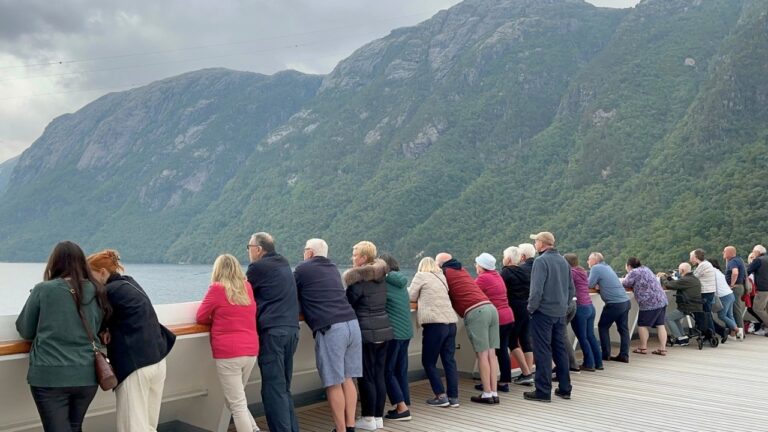
A longer voyage to the North Cape or Tromsø needs a little more warmth, especially for evenings on deck. A coastal voyage with Hurtigruten or Havila may involve many short stops, different weather zones and more casual clothing.
If your cruise includes Svalbard, pack differently again. Even in summer, Svalbard is much colder than mainland Norway and may require more specialist clothing, especially for excursions.
The same applies to activity levels. Someone planning gentle walks around Bergen, Stavanger and Ålesund can pack lighter than someone planning hikes, kayaking, glacier excursions or RIB boat rides.
Before you pack, look at every port on your itinerary and ask what you are actually likely to do there. A Norway cruise can be a relaxed sightseeing holiday, an active outdoor trip, or something in between. Your suitcase should match your version of the cruise.
What To Wear On Board
Daytime dress on most Norway cruises is practical and casual. You will see plenty of jeans, walking trousers, fleeces, waterproof jackets and trainers. On scenic sailing days, people dress for the deck rather than the dining room.
Evenings depend on the cruise line. Some ships have formal nights or dress codes, while others are much more relaxed. Check your cruise line’s guidance before travelling, but do not overpack formalwear at the expense of practical clothing.
For most people, a couple of smarter outfits for dinner will be enough. A dress, shirt, smart trousers, blouse or lightweight jacket can work well. You do not need a separate outfit for every evening unless you enjoy dressing up.
Swimwear is also worth packing, even though this is Norway. Many ships have pools, hot tubs, saunas or thermal suites, and there are few better places to sit in a hot tub than while sailing past mountains.
Useful Extras For A Norway Cruise
A few small items can make a big difference. Binoculars are very useful in Norway. They help you spot waterfalls, farms, villages, mountain roads, sea birds and details along the shoreline that are easy to miss with the naked eye.
A reusable water bottle is also worth bringing. Tap water in Norway is excellent, and carrying water is useful on walks and excursions.
A small daypack is essential for port days. Choose one that is comfortable to carry and large enough for a jacket, water bottle, camera, snacks and any extra layers. A waterproof cover or dry bag can be useful if you are carrying camera equipment or electronics.
Do not forget chargers, travel adapters and power banks. Norway uses the standard European two-pin plug, and while cruise ships vary in their socket arrangements, having the right adapters avoids frustration.
A good camera or smartphone with plenty of storage is important too. Norway is a very photogenic destination, and you may take far more pictures than expected.
Medication And Personal Items
Bring any medication you need, plus a little extra in case of delays. This is especially important on cruises that travel far north or visit smaller ports where pharmacies may not be close to the ship.
If you are prone to seasickness, bring remedies that you know work for you. Norway’s fjords are usually calm, but the North Sea crossing and some exposed coastal stretches can be rough. Conditions vary from sailing to sailing, and even summer does not guarantee smooth seas.
Moisturiser and lip balm can be useful, especially if you spend a lot of time outside in wind and sun. Insect repellent may be worth packing if you are planning hikes, lake walks or inland excursions in summer, although it is not usually a major issue for standard city port days.
What Not To Pack
Do not fill your case with heavy winter clothing for a standard summer fjords cruise. You need warmth, but you do not usually need a thick winter coat, snow boots or bulky thermal gear unless your itinerary or excursions specifically require them.
Do not rely on an umbrella as your main rain protection. It may be useful in town, but wind often makes a waterproof jacket much more practical.
Do not pack only city shoes. Even if you are not planning long hikes, Norway’s streets, viewpoints and harbour areas often involve slopes, steps and uneven surfaces.
Finally, do not assume summer means shorts every day. Pack them if you like, because you may get warm weather. But make sure they are part of a broader packing plan, not the whole plan.
The point is not to pack for bad weather. It is to pack so that the weather does not matter. Rain, wind, sun and cool air are all part of the Norwegian coastal experience.