
How this small Arctic club from Norway mastered the art of doing things differently in modern football’s age of sovereign wealth and superclubs.
I still remember sitting at Aspmyra on 13 March 2016 for Bodø/Glimt against Sogndal. It was the opening weekend of the league season. Glimt won 2–0. A solid start, a friendly atmosphere.
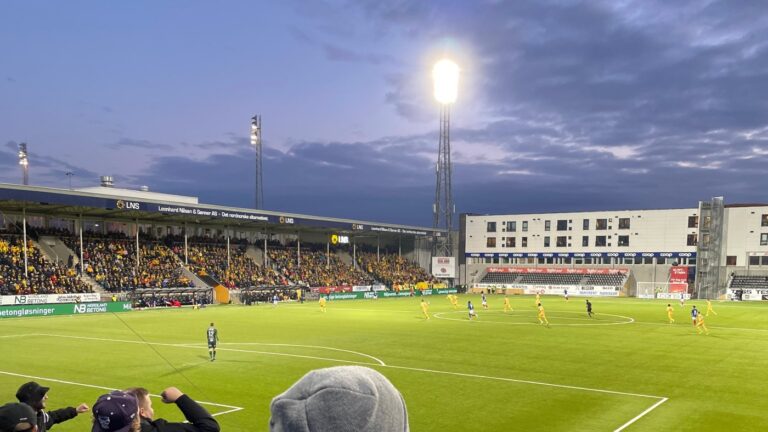
If you had leaned over to me that afternoon and said, “In less than ten years this club will beat Manchester City, Atlético Madrid and Inter Milan in the Champions League within the space of a few weeks,” I would not just have laughed. I would have roared.
Yet here we are. A 3–1 win has given Glimt a genuine shot at making the last 16 of the UEFA Champions League.
As a Vålerenga supporter, I have watched this rise with equal parts frustration, jealousy and admiration. I have seen them dismantle my team more times than I care to count.
And yet I also remember our 6–0 win at Valle and that victory towards the end of 2025 that ultimately cost Glimt the league title. Norwegian football has a long memory, and I, like all fans, love to grasp at straws!
But in a football world increasingly dominated by sovereign wealth, billionaire owners and multi-club empires, the more interesting question is this:
How has a relatively small club from north of the Arctic Circle managed to build something this formidable?
The 2016 Relegation That Changed Everything
The answer does not begin with Manchester City. It begins with failure.
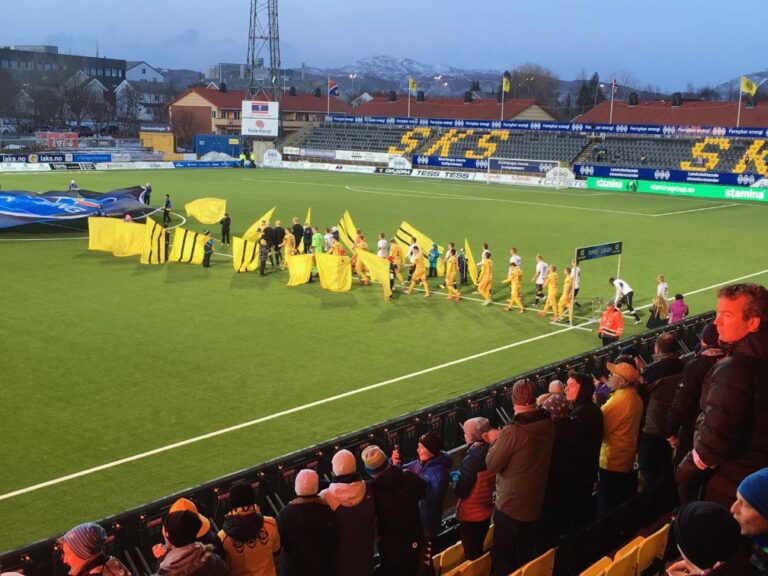
Later in 2016, Bodø/Glimt were relegated from Eliteserien, the Norwegian Premier League. For many clubs, relegation triggers panic: rushed signings, short-term thinking, a revolving door of managers. Instead, Glimt used it as a reset.
The club committed to a long-term sporting plan. They aligned recruitment, coaching, and player development around a clearly defined identity. The language that repeatedly appears in Norwegian coverage is “stein på stein” – stone by stone. This was not a miracle season. It was construction work.
Promotion came quickly. The league title in 2020, the club’s first, followed. But the foundations were laid in the year they went down, not the year they lifted silverware.
A Clear Identity, Relentlessly Applied
Under head coach Kjetil Knutsen, Bodø/Glimt developed one of the clearest footballing identities in Scandinavia.
High tempo. Aggressive pressing. Quick transitions. Wide players stretching the pitch. Midfielders drilled to understand distances and movement.
What makes it remarkable is not just how well it works, but how stubbornly it is applied. Glimt do not radically change their personality depending on the opponent. They tweak. They adapt details. But the core remains.
That consistency means new players enter a system rather than being asked to invent one. It also means opponents face the same intensity whether they are visiting from Tromsø or Turin.
A key element behind Glimt's success beyond a single season is how they have managed to keep hold of Kjetil Knutsen, despite interest from big clubs abroad such as Celtic. That consistency has been critical.
Selling Stars Without Selling the Soul
A common assumption in Norwegian football used to be that success would inevitably be followed by collapse. Sell your best players and the model falls apart. Glimt have repeatedly disproved that theory.
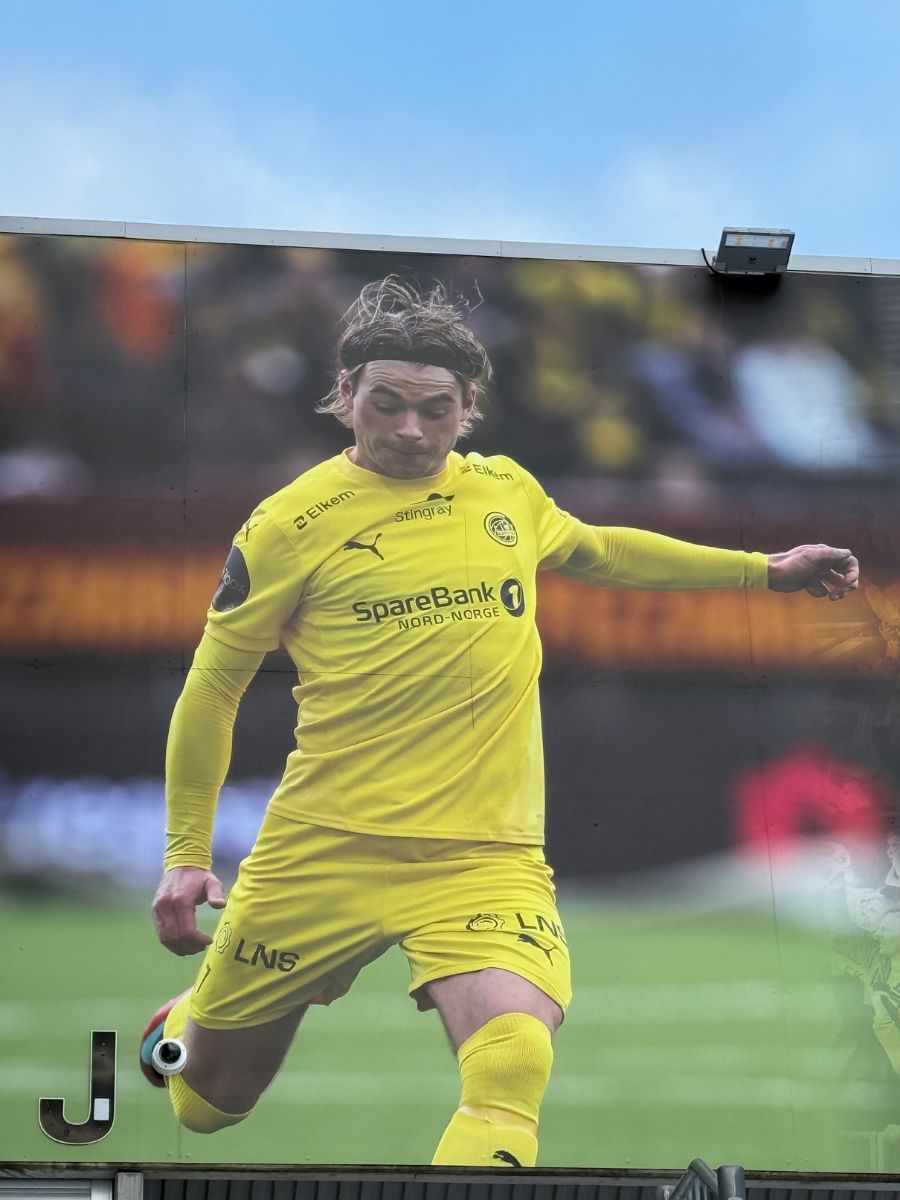
Key figures have left for larger leagues. Yet the team keeps functioning. That is because recruitment is system-first. The club looks for players who fit the physical and tactical demands of the model. Role clarity matters more than reputation.
That the model works is clear from the players who have stepped outside it. A number left for bigger leagues, failed to replicate their form, then returned to Glimt and thrived again. Patrick Berg, Jens Petter Hauge and Håkon Evjen offer telling examples.
Europe Changed the Self-Belief
European nights accelerated everything.
The 6–1 win over Roma in 2021 was the first moment the wider football world paid attention. But what has followed since has been more important than that single shock result.
Regular European group stages brought experience. Experience brought composure. Prize money brought financial stability and better infrastructure. Better infrastructure supported the sporting model. It became a feedback loop.
By the time Glimt walked onto the pitch against Manchester City in the Champions League, they were not wide-eyed underdogs. They were a team used to testing themselves against elite opposition.
Beating Atlético Madrid away from home punctured the lazy narrative that Glimt are only dangerous on artificial turf at Aspmyra. Beating last year's finalists Inter at home to set up what will surely be a dramatic second leg demonstrated something else: this is now a club that expects to compete.
Aspmyra and the Arctic Factor
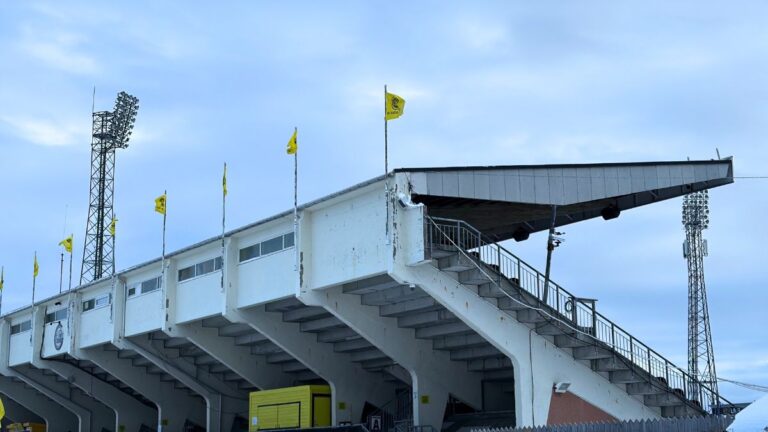
It would be naive to pretend geography plays no role. Aspmyra is compact. The crowd is close. The Arctic climate can be unforgiving. Visiting teams are not always comfortable.
I've attended Aspmyra twice as an away fan and have not enjoyed the experience, regardless of the result. It's an environment that is far from comfortable, with extremely limited facilities.
But Madrid is not Bodø. When Glimt win away from home in Europe, the explanation has to go deeper than wind chill and synthetic grass.
The real advantage is cultural. The club has grown comfortable being underestimated. It has turned “small northern club” into an identity rather than an apology.
One interesting question for the future is how Bodø/Glimt's planned new stadium will change things. It will still be relatively small, but could the added comfort actually be an advantage for visiting teams?
A Different Model in a Billionaire Era
Modern European football often feels closed off with wealth concentrated at the top. The same clubs dominate the latter stages of major competitions. Bodø/Glimt have not smashed that structure entirely, but they have stretched it.
Of course, it would be wrong to pretend there is no money in Bodø. Sponsorship, broadcasting revenues and prize money from European runs have flooded in over recent years. But, that money is being used wisely.
They show that clarity of purpose can compete with chaos and that continuity can outlast hype. That a well-coached collective can unsettle squads assembled for hundreds of millions.
For those of us who follow Norwegian football closely, this rise has not been sudden. We have seen it building year by year. We have felt the irritation when they dismantle our own teams. We have grudgingly acknowledged how coherent they look.
But even with all that context, there is still something faintly surreal about watching a club from Bodø trade blows with Europe’s elite.
On that March afternoon in 2016, it would have sounded absurd. Now, it feels almost logical, and that may be the most astonishing part of all, regardless of what happens in the San Siro next week.
I'm considering a project to tell Glimt's story in much greater depth. Let me know in the comments if you'd be interested!


You most definately should. Listen to the podcast When we were Kings, by Erik Nivå. It is about Glimt 2021…. and listen to the long version. 2 episodes, each 2-3 hrs. I was amazed by it, and the conclosion they made in the end….. HEIA GLIMT!💛