
The Lysefjord is one of Norway's most famous fjords, thanks in part to the iconic Preikestolen and Kjerag hikes that loom dramatically above its narrow waters.
Norway’s Lysefjord consistently ranks among the country’s most spectacular fjords, and once you’ve seen it for yourself, it’s easy to understand why.
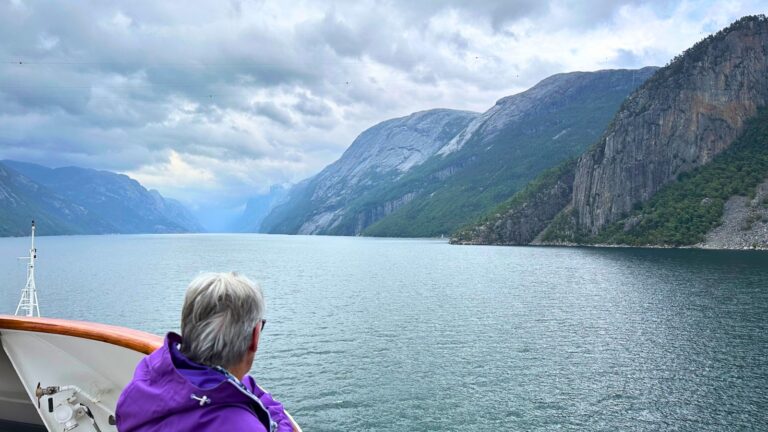
Stretching some 42 kilometres inland from the North Sea, the fjord delivers a concentrated dose of classic Norwegian drama.
Sheer granite walls rise almost vertically from the water, waterfalls tumble from improbable heights, and mountain goats cling effortlessly to slopes that look impossible to traverse.
I never get tired of visiting the Norwegian fjords, but for years the Lysefjord remained a glaring omission from my personal map of Norway. Recently, I finally put that right, ticking off the last of Norway’s so-called “major” fjords that I had yet to experience.
Despite its fame, the Lysefjord felt refreshingly raw, less sprawling than places like the Sognefjord but arguably more intense in its scenery.
Watch: A Lysefjord Sightseeing Tour
Although I didn’t take on any of the area’s famous hikes on this visit due to time constraints, I still managed to enjoy the fjord in one of the most accessible ways possible: by boat.
A sightseeing cruise along the Lysefjord departs directly from central Stavanger and offers a front-row seat to the scenery, no hiking boots required.
If your time in the region is limited, or you simply want to see the fjord from the water before committing to a strenuous climb, this is an ideal introduction.
Not bad, eh? Now let’s dig into what you’ve just seen.
Where is the Lysefjord, Norway?
The Lysefjord lies in the Ryfylke region of Rogaland county in southwestern Norway. The fjord cuts inland roughly 25 kilometres east of Stavanger, placing it firmly within day-trip distance of one of Norway’s most visitor-friendly cities.
Administratively, the fjord is split between the municipalities of Strand and Sandnes, and it forms a natural focal point for tourism in the wider Stavanger region.
While it is the southernmost of Norway’s famous fjords, it is also one of the easiest to reach, which explains both its popularity and its prominence in international travel marketing.
Preikestolen: Norway’s Most Famous Hike
Towering 604 metres above the fjord, Preikestolen, often known in English as Pulpit Rock, is one of the most recognisable viewpoints in Norway.
Its fame exploded internationally after appearing in Mission: Impossible – Fallout, but long before Hollywood arrived, the flat clifftop was already drawing hikers from around the world.
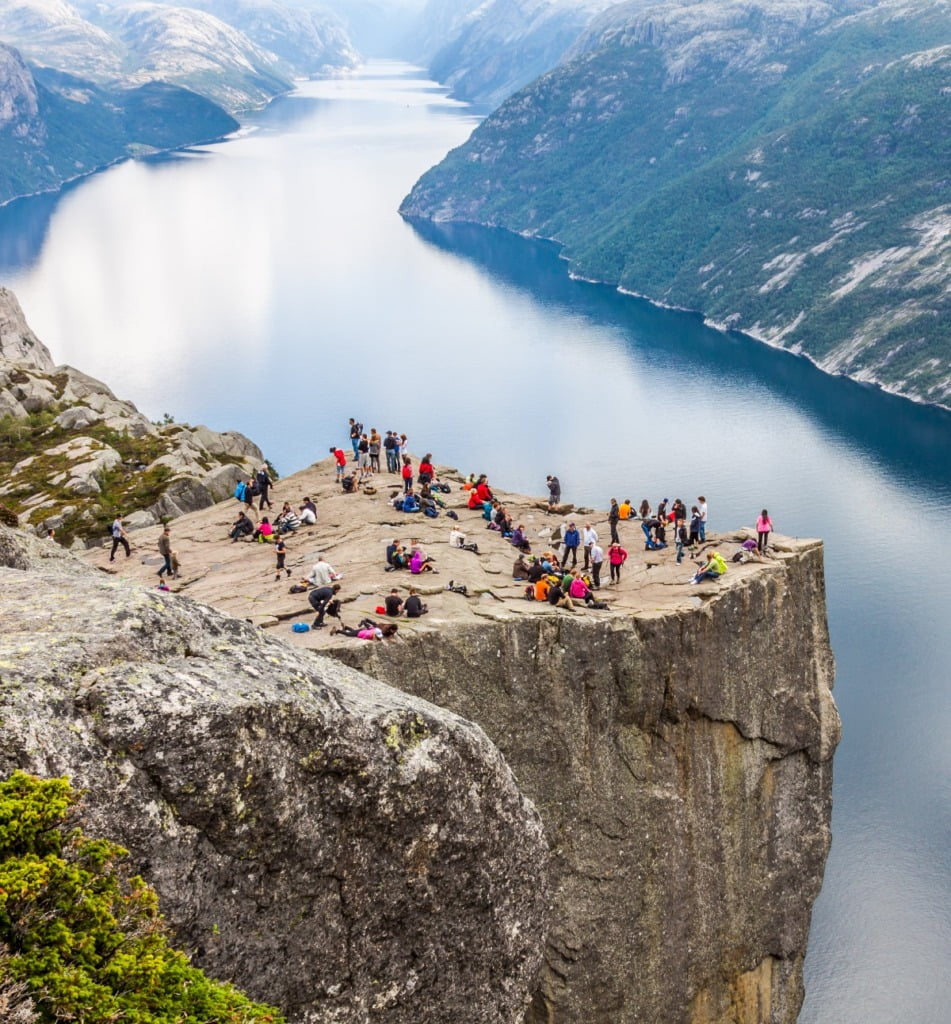
The Preikestolen hike itself is an eight-kilometre round trip and typically takes four to five hours at a relaxed pace, including a generous break at the top.
While often described as moderate, the trail is rocky and uneven in places, and a reasonable level of fitness is required. Good footwear and weather awareness are essential, even on sunny days.
The reward is one of Norway’s most jaw-dropping views: a near-vertical drop to the dark waters of the Lysefjord far below, framed by steep mountainsides that seem to close in around the fjord.
Kjerag and the Famous Boulder
Further inland, the Kjerag plateau rises even higher above the Lysefjord, reaching elevations of more than 1,000 metres.
The hike to Kjeragbolten has become one of Norway’s most photographed experiences, thanks to the glacial boulder wedged improbably between two cliffs with a sheer drop of 984 metres beneath it.

This is not a hike to underestimate. The full round trip covers around 11 kilometres and involves significant elevation gain, exposed sections, and chains bolted into the rock to assist on steep climbs.
Many hikers take six to eight hours to complete the route. In poor weather or for inexperienced hikers, conditions can quickly become dangerous, which is why careful planning is crucial.
Other Highlights Along the Fjord
Right at the mouth of the fjord stands the Lysefjord Bridge, an elegant suspension bridge opened in 1997 that provides the only road crossing of the fjord.
At 639 metres long, it’s an impressive structure in its own right, but it also offers a striking first glimpse into the narrow waterway beyond.
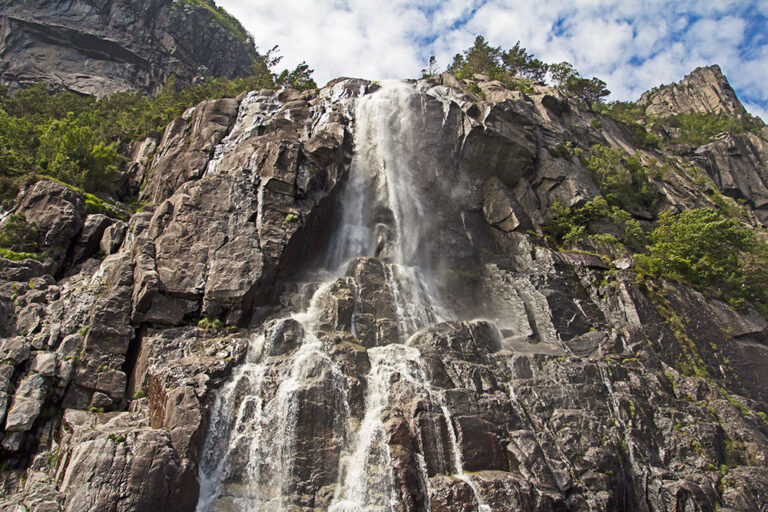
Further inside the fjord, waterfalls cascade down the rock faces, most notably Hengjanefossen, which drops some 400 metres from the mountains above. On calm days, sightseeing boats and private yachts often edge close enough for passengers to sample the fresh mountain water as it spills into the fjord.
One of the most unusual stops along the Lysefjord is Flørli, a tiny settlement accessible only by boat. Flørli is famous for its 4,444 wooden steps climbing from fjord level to the old mountain railway above, often described as the world’s longest wooden staircase.
Beyond the physical challenge, Flørli also offers insight into Norway’s hydropower history, with a small summer-only exhibition housed in the former power station.
Seasonal kayak rentals, a guest harbour, and a handful of accommodation options make it possible to linger longer in this remarkable spot.
How to Get to the Lysefjord
For most visitors, Stavanger serves as the gateway to the Lysefjord. Whether you plan to hike, cruise, or simply admire the scenery from above, the city offers the widest range of transport options.
Driving allows access to viewpoints near the fjord entrance, including the scenic approach over the Lysefjord Bridge and the Høllesli viewpoint on the Oanes side.
Those heading for Preikestolen will want to drive to the trailhead near Preikestolen Mountain Lodge, roughly half an hour from central Stavanger. Older travel guides may still reference a ferry crossing, but this is no longer required following the opening of a new subsea road tunnel.
Bus connections to Preikestolen operate throughout much of the year, ranging from simple transport services to fully guided hikes. Many visitors begin their planning with Go Fjords, which aggregates several transport and tour options in the region.
For those who prefer to stay closer to sea level, boat trips remain one of the most rewarding ways to experience the Lysefjord.
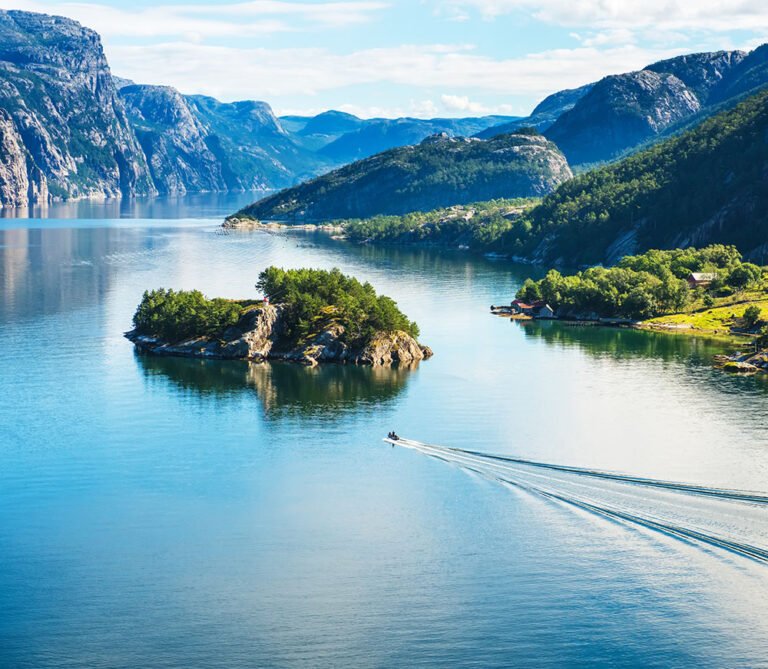
Rødne Fjord Cruise runs regular sightseeing cruises from Stavanger, with daily departures in the main season and reduced schedules during quieter months. Some sailings include stops at Flørli, making it possible to combine a fjord cruise with the famous staircase climb.
A Note on Hiking Safety in the Lysefjord Area
The Lysefjord’s famous hikes are spectacular, but they are often underestimated. Trails such as Preikestolen and Kjerag are not technical climbs, but they are long, exposed, and physically demanding.
Weather conditions can change rapidly, even in summer, bringing fog, strong winds, or heavy rain that dramatically alters trail conditions. What begins as a straightforward walk can quickly become slippery and exhausting.
Proper footwear, sufficient water, warm layers, and realistic time planning are essential. Inexperienced hikers should think carefully before attempting Kjerag, particularly outside peak summer conditions.
Each year, local rescue services respond to avoidable incidents caused by poor preparation or overconfidence.
If you’re unsure, consider guided options or choose a fjord cruise instead. The Lysefjord is just as awe-inspiring from the water, and there’s no requirement to hike in order to appreciate its scale and beauty.
Lysefjord vs Other Famous Fjords in Norway
Norway’s most famous fjords each offer a very different experience, and the Lysefjord stands apart in some important ways.
The Lysefjord is compact, intense, and defined by vertical drama. Its fame rests on towering cliffs, narrow waterways, and headline hikes such as Preikestolen and Kjerag.
Because it lies so close to Stavanger, it suits short visits and works exceptionally well as a one-day fjord experience, whether by boat, on foot, or a combination of the two.
The Sognefjord sits at the opposite end of the scale. As Norway’s longest and deepest fjord, it offers vastness rather than immediacy.
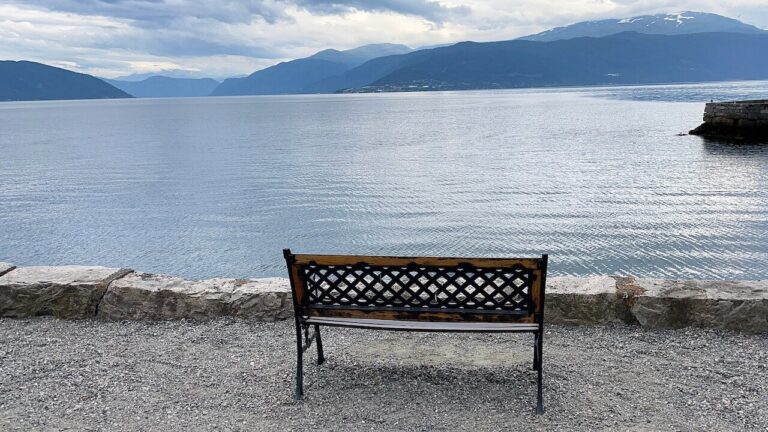
Multiple branches, small villages, glaciers, and UNESCO-listed landscapes give it extraordinary variety, but also mean it rewards slower travel and longer itineraries. It is best suited to travellers with several days to explore and a willingness to move between locations.
The Hardangerfjord delivers a softer, more expansive landscape. Known for its fruit orchards, waterfalls, and glacier views, Hardangerfjord feels broader and more varied, particularly in spring when blossom season transforms the region.
It rewards slower exploration and works best for road trips or multi-day itineraries, rather than quick excursions.
Further north, the Nordfjord blends dramatic fjord scenery with broad valleys and close access to glaciers.
Often quieter than the better-known fjords further south, Nordfjord appeals to travellers looking for space, varied landscapes, and a calmer pace without sacrificing natural drama.
In simple terms, Lysefjord delivers instant impact and iconic viewpoints, Sognefjord offers depth and scale, Hardangerfjord combines nature with seasonal charm, and Nordfjord balances fjords with alpine scenery and tranquillity.
The best choice depends less on which fjord is “better” and more on how much time you have and how you want to experience Norway’s landscapes.