
A uniquely Norwegian gap year that blends passion, personal growth and community living, folkehøgskole remains one of the country’s most distinctive education traditions in 2026.
Spend enough time in Norway and you’ll hear someone mention folkehøgskole.
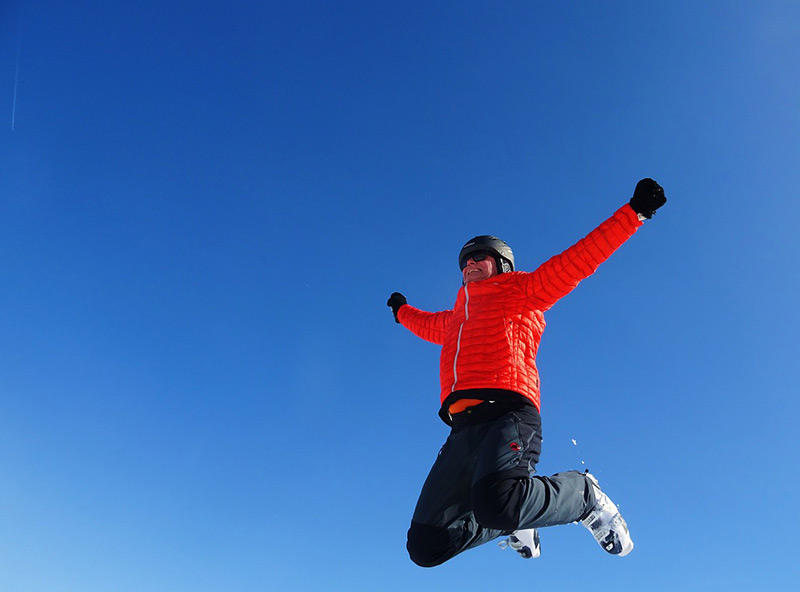
It might be described as a “gap year with structure.” Or jokingly as “kindergarten for adults.” Neither explanation is entirely accurate, yet both contain a grain of truth.
In 2026, Norway’s folkehøgskoler remain one of the most distinctive features of Norway's education landscape.
Around 80 schools across the country welcome roughly 9,000 students each year for a one-year residential programme focused not on grades or exams, but on personal development, community, and immersion in a chosen interest.
For many Norwegians, it’s a rite of passage. For international students, it can be a life-changing introduction to Norway itself.
What Is a Folkehøgskole?
A folkehøgskole is a one-year residential school for adults, usually aged 18 to 25, although there is no strict upper age limit.
There are:
- No exams
- No grades
- No formal academic pressure
Instead, the focus is on learning for its own sake.
Students choose a linje (main subject line), which might be anything from Arctic outdoor life to film production, esports, music, photography, sustainable living, global development, or creative writing. Alongside the main subject, students participate in electives, shared activities, travel, and community life.
The schools are largely publicly funded by the Norwegian government, which keeps tuition lower than it otherwise would be. Students pay for room, board, activities and trips, but the academic instruction itself is state supported.
In 2026, the model remains remarkably consistent with its original ideals: education for life, not for exams.
A Tradition Rooted in Nordic Ideals
The folkehøgskole movement has its roots in 19th-century Nordic educational philosophy, inspired by Danish thinker N.F.S. Grundtvig. The idea was radical at the time: education should strengthen democracy, citizenship, and personal growth, not just vocational skill.
Norway’s first folkehøgskole opened in the 1860s. Early schools often focused on rural education and farming, helping young adults manage land and community life. Over time, the curriculum evolved dramatically.
Today’s schools offer everything from:
- Backcountry skiing and avalanche training
- Documentary filmmaking
- Musical theatre
- Game design
- Environmental activism
- Expedition travel
- Fashion and design
Some schools retain a Christian foundation, though most operate with broad inclusivity and varying degrees of religious engagement. In practice, students typically choose how involved they wish to be.
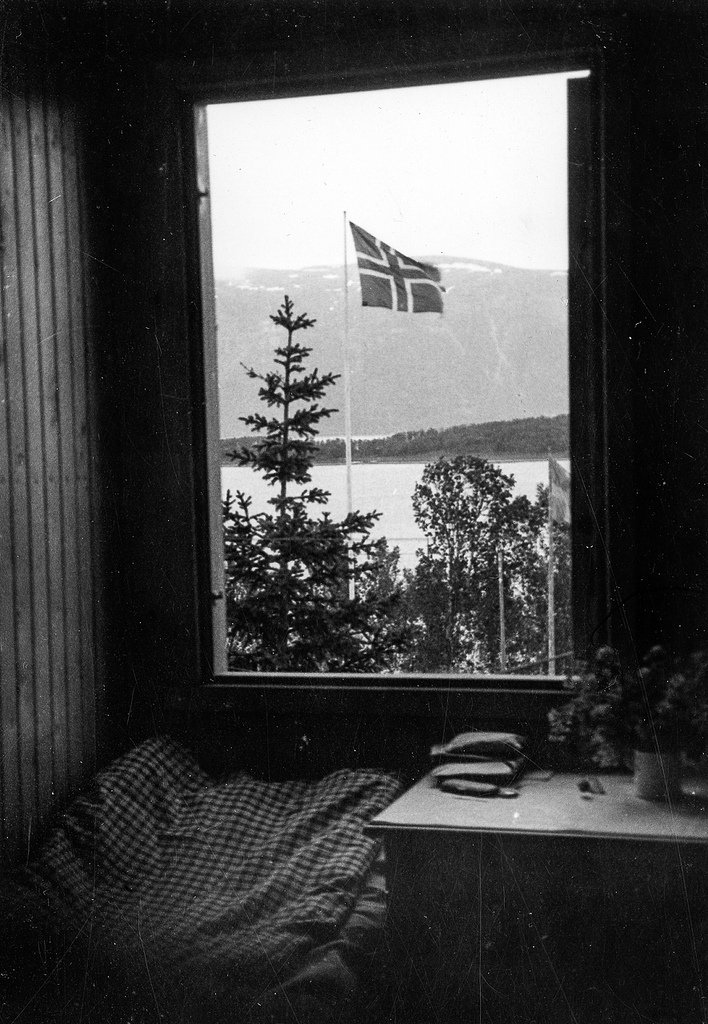
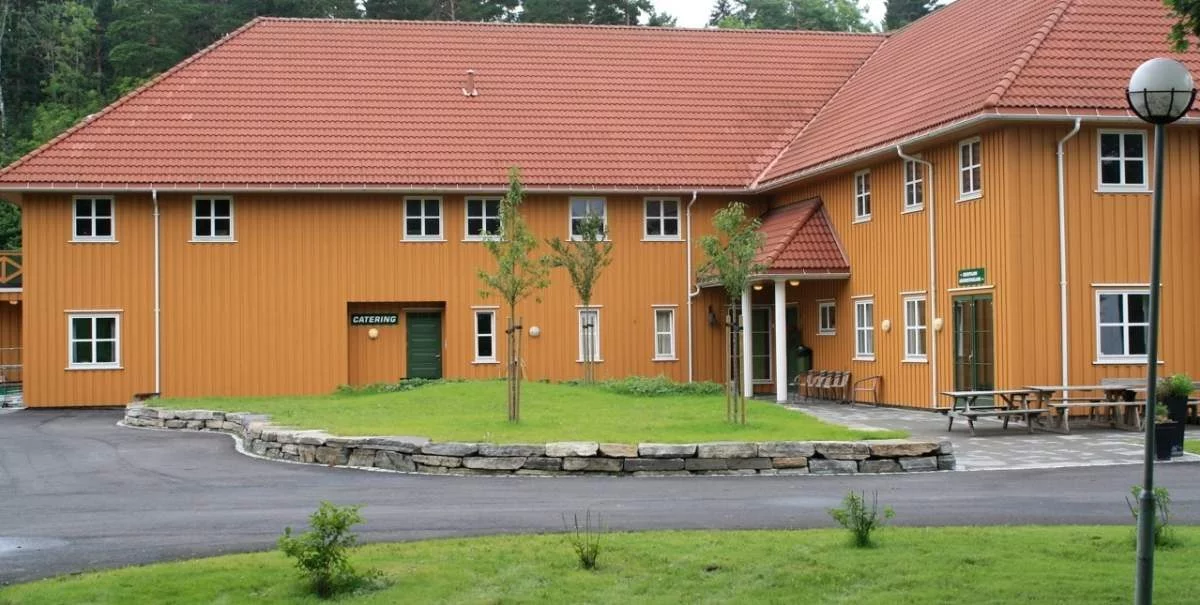
What has remained constant is the residential model. You live where you study. Meals are shared. Activities extend into evenings and weekends. The experience is immersive.
Hundreds of Study Options in 2026
Across Norway’s approximately 80 schools, there are now hundreds of specialised linjer. Outdoor life remains one of the most popular categories, reflecting Norway’s deep connection to nature.
But the 2026 landscape also reflects modern interests. Media production, digital storytelling, podcasting, esports, sustainability, and global solidarity programmes are now well established. Many schools include international travel components, often tied directly to the chosen subject.
Some programmes resemble technical training. Others are deeply experiential. All share one defining trait: they prioritise engagement over assessment.
To fully catalogue the range would take a book. It’s enough to say there is likely a programme aligned with almost any passion.
A Year That Can Change Direction
For many Norwegians, folkehøgskole sits between upper secondary school and university. It offers breathing space before committing to higher education.
Research and student surveys in recent years consistently show high satisfaction rates. Students report increased confidence, independence, social skills, and clarity about future study choices. For some, it confirms their direction. For others, it helps them change course before investing years in the wrong degree.
In an education system otherwise known for structure and planning, folkehøgskole represents a deliberate pause.
One Student’s Experience
In 2011, Life in Norway contributor Bradley Kurtz enrolled at Rødde Folkehøgskole, just outside Trondheim.
Coming from Colorado with a passion for skiing, they chose a skiing linje. The year included trips across Norway, Sweden and even Switzerland. But the experience extended far beyond snow.
“While I did just spend a year skiing – taking trips to other areas in Norway, Sweden, and even Switzerland to do so – there was a lot more to my year than that.”
“There are organized courses that you choose from; my memory is a bit hazy now, but I do remember a baking course, a skateboarding course, surfing, avalanche safety course, and numerous trips around the region to do different activities like water skiing, gymnastics halls, etc… I’m pretty sure they even made me read a book or two!”
“We also spent the year fundraising for a chosen charity by putting on plays, carnivals, and other activities for local kids and adults. I acted in a play and conquered my fear of dancing in front of other people.”
“They capped it all off with the entire school taking a trip to Egypt to soak in some sun and take Facebook photos of us kissing the Sphinx.”
Learning Norwegian Through Living It
One of the most powerful aspects of folkehøgskole for international students is language immersion.
Formal Norwegian classes are often available. But the real learning happens at the dinner table, in shared kitchens, on ski slopes, during evening conversations.
Arriving with only basic Norwegian is not unusual. Leaving able to hold confident conversations is common.
Unlike university programmes that may operate partly in English, folkehøgskole life is overwhelmingly Norwegian. That makes it both challenging and transformative.
What Does It Cost in 2026?
A full year typically costs between NOK 120,000 and NOK 160,000, depending on the school and the travel component of the chosen linje.
This generally includes:
- Accommodation
- Meals
- Teaching
- Shared activities
- Many trips related to the main subject
Some specialised travel programmes cost more. Outdoor equipment or international trips may involve additional fees.
For Norwegian students, state loans and grants through Lånekassen can cover much of the cost. International students must self-fund.
Admission and Application
Applying to a folkehøgskole is straightforward, but there are a few important steps — especially if you’re coming from outside Europe.
At most schools, you apply directly through the school’s own website by filling in an online form and sending basic personal details, information about your interests, and sometimes a short statement about why you want to attend.
After submitting, schools typically respond within a few weeks to confirm whether you’ve been offered a place. Once accepted, you’ll normally have a few weeks to decide and pay a registration fee (often around NOK 2,500).
Schools usually begin admissions in mid-November for the following academic year, and many continue accepting students on a rolling basis until programmes are full or the year begins. Popular courses — like Norwegian language classes or international linjer — can fill early, so it’s wise to apply sooner rather than later.
For EU / EEA / Swiss Citizens
If you’re from an EU/EEA country (including Switzerland), you do not need a study visa or residence permit before you arrive.
That said, you do need to register your residence with the Norwegian authorities if you plan to stay in Norway for more than three months. This generally involves notifying the local police or immigration office after arrival, and most schools help international students through this process.
For Students From Outside the EU/EEA
If you are from outside the EU/EEA (for example the US, Canada, Australia, Japan, etc.), attending a folkehøgskole still qualifies you for a study permit (student residence permit) under Norwegian immigration rules. You must apply for this before you travel to Norway via the Norwegian Directorate of Immigration (UDI).
Most schools will require international students to demonstrate that they have sufficient financial means to support themselves throughout the year.
In practice this usually means showing a guarantee amount in a Norwegian bank account (often equivalent to around NOK 130,000 or more) before you can apply for the permit. You may also need valid health and travel insurance for the duration of your stay.
Timing and Tips
Start early. Since study permits can take months to process, many schools recommend applying for admission and the permit as early as October for next autumn’s intake.
Ask for help. Folkehøgskoler are accustomed to international applicants and most will help you with paperwork, timelines, and questions about UDI requirements.
Plan around police registration. After arrival, even for EU/EEA students, you’ll usually need to register your residence with the local police if your stay exceeds three months.
Why Folkehøgskole Still Matters in 2026
In a world increasingly focused on efficiency and measurable outcomes, folkehøgskole stands out. It is deliberately unhurried. Deliberately non-competitive. Deliberately communal.
It may look like “just” a gap year. But for thousands each year, it becomes a turning point.
For some, it confirms academic ambitions. For others, it sparks entirely new paths. And for a few, it leads to a new country, a new language, and a new life.
Even in 2026, folkehøgskole remains something of an enigma. Difficult to compare. Hard to categorise. Yet unmistakably Norwegian. And for those who choose it, often unforgettable.
Have you attended a Norwegian folkehøgskole? How was the experience for you? If you enjoyed reading this post, why not share it on Pinterest?


Interesting. What do you mean there is no upper age limit? Are there any statistics available on age? I see this as a place where people at the end (or in the middle) of unfulfilling careers may be attracted to go. Does that happen often? Would a 40 year old person be out of place there?
Nearly all students are between 18-25 years old. Most students who attend a folkehøgskole have just finished secondary school in Norway. While a 40 year old can attend, the person would probably feel a bit awkward and out of place having to try to make friends with people half their age. I know that there are 2 schools that are for pensioners and older people, but they only offer short courses that last a few days. I will be attending a folkehøgskole this August with the main focus on my “linje (main course) being the Norwegian language. So I will be there from August to May next year, with me probably continuing to live in Norway afterwards.
Hope that answers your question.
Similar type culture schools exist in Japan which teach traditional Japanese cultural subjects mostly to Japanese students who tend to be in their teens to 20s. (Kendo, ikebana, tea ceremony, origami, calligraphy….)
Gap year…but when? Between high school and college? Between college and graduate school?
Between secondary school and university.
My son is currently studying at the Fosen Folkehøgskole in Norway. He loves it. It was the perfect “organized” gap year for him.
December 2022
Hello, My18 year old son has expressed interested in doing a GAP year in Norway. Looking back how did yours go? What would you do again? What do you wish you knew in choosing a “school” course of study, everything in general. Thank you.
PS, the national health service covers medical care under the residency permit.
I’m going to be attending a folkehøgskole this year with my main course focusing on Norwegian language and culture. I already know a lot of the language already and plan to take the language test so I can study Norwegian-taught university programs.
You made a mistake when saying that Folkehøgskoles gives you four whole study points in certain subjects for university. This is not true. You can’t use a folkehøgskole to cover subjects at university, as a folkehøgskole is completely separate from the education system, and they don’t conduct any exams or give out degrees or anything like that. If you finish a whole year at a folkehøgskole, then you get 2 points which can be used to help enter university, as all degrees have a point base system, which can range anywhere from 30 points up to 70 points. The higher the points that are needed to enter that certain degree, the more difficult it is to enter. So you will find law/medicine/engineering and veterinary medicine requiring a high number of points to be accepted.
I attended Birkeland Folkehogskole for a year between high school & college and it was a wonderful experience. As the daughter of 1st & 2nd generation Norwegian Americans, I chose a Norwegian Culture linje. Courses included Norwegian cooking & baking, Hardanger embroidery, sewing, weaving & ceramics. I was also given materials for independent study of Norwegian. We all ate together in the dining hall (where they passed the bottle of cod liver oil at every breakfast), did a lot of hiking & took a group trip to Germany. A great advantage was having most of my aunts, uncles & cousins nearby in Kristiansand & Grimstad. By the time I left that May, I was fluent in reading, writing & speech. In fact, I chattered with my Mom all the way home from the airport & never realized it was in Norwegian and my Dad & sister hadn’t understood a word. The next year, an American cousin attended Birkeland, as well, and also loved the experience. I’d highly recommend folkehogskole for anyone of Norwegian descent who’d like to reconnect with their heritage.
I attended Ronningen folkehogskole in Oslo many years ago (1984-85). It was amazing year for me. Attending folkehogskole was a wonderful opportunity for me to learn about Norway while being in a structured, yet relaxed environment. We had students from all parts of the world so I was also introduced to a little of their culture as well. I still have friends from this year and have gone back a few times to see them. The year I spent at folkehogskole also gave me the opportunity to grow and learn more about myself before I ventured on to college. I highly recommend spending a year at one of these schools. My son is currently a senior in high school and is considering following in my footsteps.
How did your sons year go? My 18year old son is interested in studying in Norway for a GAP year after high school this spring ‘23. Any advice?
Hi Jean, I hope your son decided to go. My daughter attended Harstad school and is loving it! It has made her much more ready for college, and the confidence she has gained is tremendous. She is doing the friluftsliv program. After the interruptions of Covid during high school, and just getting through, she needed a year to be away and just live without grades, etc. She’ll be attending college back in the U.S. this fall but the year has been very, very valuable.
I am retiring and considering a move to a Scandinavian country. The folkehogskole sounds wonderful as I would like to continue learning and I love Scandinavian culture, style, oceans and winter.
Has it become more common for “pensioners” to attend folkehogskole? And, do you know if someone who attended folkehogskole and volunteered at say, a park, would be considered for residency?