
For 80 years, Scandinavian Airlines has connected Denmark, Norway and Sweden with each other and the wider world.
From pioneering polar flights to bankruptcy protection and a dramatic change of airline alliance, here’s the fascinating history of SAS.
It’s a challenge to live in Scandinavia without flying. Despite increasing fares and growing environmental concerns, flights are often the most convenient way to travel across the region.
That’s especially true in Norway, where the country’s topography—hello fjords and mountains!—can make travelling by road or rail surprisingly time-consuming.
I took my first flight with Scandinavian Airlines (SAS) back in 2011, not long after I moved to Norway. Since then, I’ve become a frequent flyer with the airline as I’ve travelled around Norway and Scandinavia for this little media business of mine.
During that time, I’ve watched SAS go through some extraordinary ups and downs.
SAS completed its financial restructuring in 2024, joined SkyTeam, and is now moving towards even closer integration with Air France-KLM. In 2026, the airline is also celebrating its 80th anniversary.
So, how did we get here? Let’s take a look back at the history of one of Scandinavia’s most recognisable companies.
The Beginnings of a Pan-Scandinavian Airline
The story of SAS begins with three separate Scandinavian aviation companies.
Det Danske Luftfartselskab (DDL) was founded in Denmark in 1918, Sweden’s AB Aerotransport (ABA) followed in 1924, and Det Norske Luftfartselskap (DNL) was established in Norway in 1927.
Swedish Intercontinental Airlines, known as SILA, was established during the Second World War with ambitions to operate long-distance services.
In 1946, the international operations of the Danish, Norwegian and Swedish airlines were brought together to create Scandinavian Airlines System, better known simply as SAS.
The idea made a lot of sense. Individually, Denmark, Norway and Sweden were relatively small aviation markets. Together, they could support an airline capable of competing internationally.
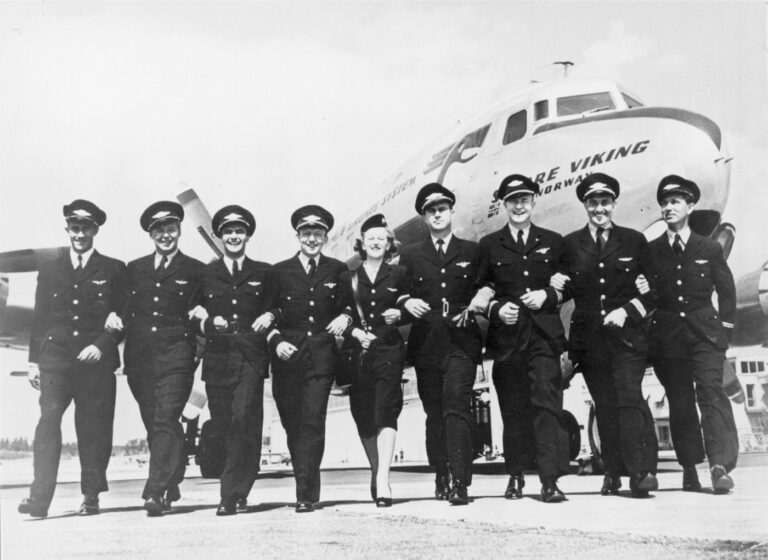
SAS wasted little time. On 17 September 1946, just weeks after the airline was formed, its first intercontinental service departed Stockholm for New York.
The Douglas DC-4 Dan Viking carried 28 invited passengers on a journey that took around 25 hours, including stops in Copenhagen, Prestwick in Scotland and Gander in Newfoundland.
The Scandinavian airline had arrived. In 1951, DDL, DNL and ABA established the SAS Consortium that would form the basis of the airline for decades to come.
Flying Over the Polar Regions
Following in the footsteps of Scandinavian polar explorers, SAS soon made its own mark on polar history.
In the 1950s, airlines were looking for faster ways to connect Europe with the west coast of North America. The obvious answer was to fly much farther north.
That was easier said than done. Navigation close to the magnetic pole presented significant technical challenges, while the remoteness of the Arctic made emergency planning considerably more complicated.
After extensive preparation and test flights, SAS launched scheduled service between Copenhagen and Los Angeles over the polar region in November 1954. It was the first airline in the world to operate such a scheduled route.
Three years later, SAS introduced a route from Copenhagen to Tokyo via Anchorage, creating what it promoted as a round-the-world service over the North Pole.
The polar routes dramatically reduced journey times between Scandinavia, North America and Asia and helped establish SAS as an innovative international airline.
SAS Enters the Jet Age
Commercial aviation changed rapidly during the 1950s and 1960s, and SAS embraced the new technology.
In 1959, the French-built Sud Aviation Caravelle became the airline’s first jet aircraft. The Douglas DC-8 followed soon afterwards, allowing SAS to operate faster and more comfortable long-distance services.
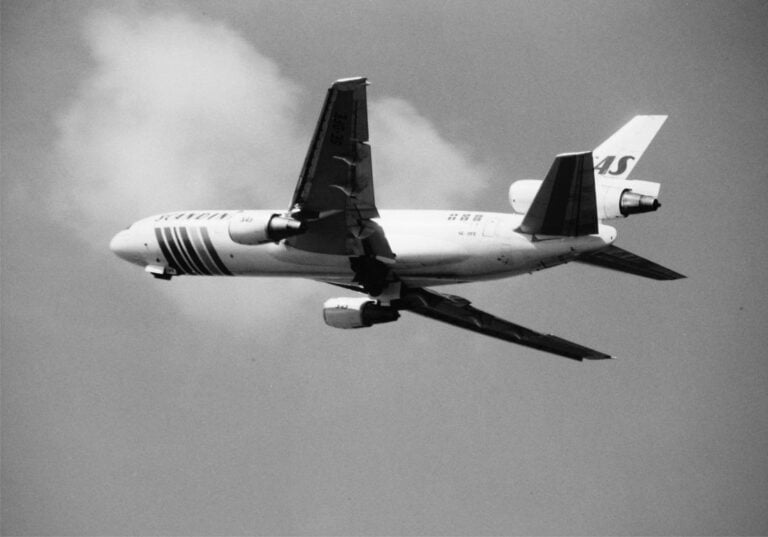
This was also a period when SAS began to experiment with technology and hospitality on the ground.
In 1960, the striking SAS Royal Hotel opened in Copenhagen. Designed by Danish architect Arne Jacobsen, the hotel would become an icon of Scandinavian modernism.
SAS also became an early adopter of airline technology, introducing an electronic reservation system in the 1960s. The company was no longer simply an airline. It was becoming an international Scandinavian travel brand.
Expansion, Hotels and the Birth of Star Alliance
The following decades brought further expansion. A Boeing 747 joined the SAS fleet in 1971, while the airline continued developing routes across Europe and beyond.
The 1980s are often remembered as something of a high point for SAS. Under chief executive Jan Carlzon, the company developed a strong reputation for service, especially among business travellers.
SAS was named Airline of the Year by Air Transport World for 1983.
Its ambitions stretched well beyond aircraft. SAS developed a substantial hotel business, opening properties in Scandinavia and farther afield.
The relationship between those hotels and today’s Radisson brand is sometimes misunderstood.
SAS International Hotels partnered with Carlson Hotels to bring the Radisson brand to Europe in the 1980s. The business later became Rezidor SAS Hospitality and, eventually, evolved into part of what we know today as Radisson Hotel Group.
But expansion also brought complexity and financial pressure. By the 1990s, SAS began refocusing on its core airline business and disposing of some investments.
One enormously important partnership remained. In 1997, SAS joined Air Canada, Lufthansa, Thai Airways and United Airlines to create Star Alliance.
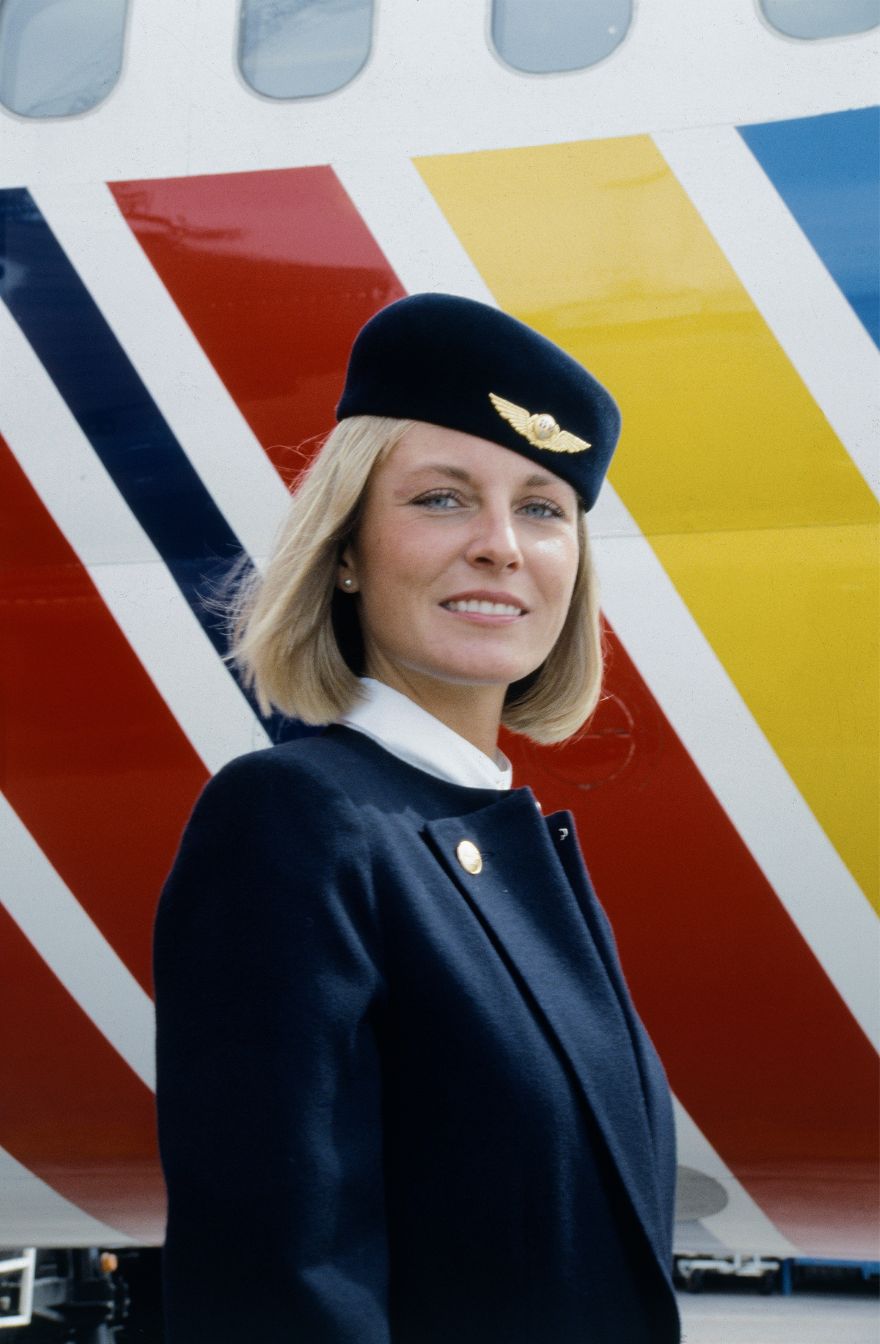
What began with five airlines grew into the world’s largest global airline alliance. For more than a quarter of a century, membership of Star Alliance would be a fundamental part of the SAS passenger experience.
The Winds of Change
The European airline industry was changing. Deregulation made it easier for airlines to compete across borders, while low-cost carriers transformed passengers’ expectations of what flights should cost.
SAS suddenly found itself competing not only with established European flag carriers, but with increasingly aggressive budget airlines.
In 2001, the corporate structure of SAS was simplified with the creation of a single holding company, SAS AB.
At that time, the Swedish government owned 21.4% of the company, while Denmark and Norway each held 14.3%. The remaining half was privately owned.
SAS spent much of the following two decades restructuring. Investments and subsidiaries were sold, routes were reviewed, costs were cut and the workforce reduced.
In Scandinavia, one of the biggest challenges came from Norwegian Air Shuttle. Norwegian's rapid expansion brought intense price competition, first within Scandinavia and later on European and long-haul routes.
Other challengers came and went. Norway-based Flyr launched during the pandemic era but survived for less than two years. Yet SAS remained an enormously important part of Scandinavian transport infrastructure.
Pandemic, Strikes and Chapter 11
Then came one of the most difficult periods in the airline's history. The global health crisis beginning in 2020 brought international aviation almost to a standstill.
For an airline already facing high costs and intense competition, the financial impact was severe.
SAS responded with another transformation programme, known as SAS Forward. The plan aimed to reduce costs, restructure debt and reorganise parts of the airline's operations. SAS Connect and SAS Link became part of the new operating structure.
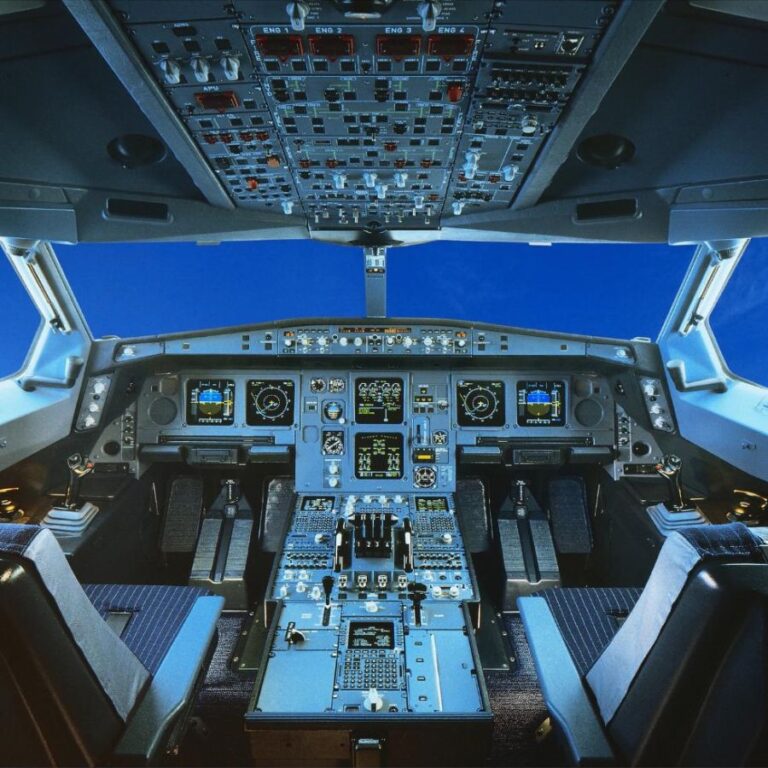
Dutch aviation executive Anko van der Werff was appointed CEO in 2021 to oversee the transformation. But the problems continued.
In July 2022, a major pilots' strike resulted in thousands of cancelled flights and affected approximately 380,000 passengers. During the strike, SAS filed for Chapter 11 bankruptcy protection in the United States.
Chapter 11 did not mean that SAS stopped flying. Rather, it gave the company a court-supervised framework within which to renegotiate debts, aircraft leases and other financial obligations while continuing to operate.
For a while, the future of SAS appeared genuinely uncertain.
Air France-KLM Steps In
The breakthrough came in 2023, when SAS selected a consortium of new investors as part of its restructuring.
The group included investment firm Castlelake, Danish investment company Lind Invest, the Danish state and, significantly, Air France-KLM.
Air France-KLM agreed to acquire a 19.9% stake in the reorganised airline. The investment meant something else too. SAS would leave Star Alliance.
That was a remarkable development. SAS hadn't simply been a longtime member of Star Alliance—it had helped create it in 1997.
The restructuring was finally completed on 28 August 2024, when SAS emerged from Chapter 11 and its parallel Swedish restructuring process following approximately $1.2 billion of investment.
The old publicly traded SAS shares were cancelled, and the reorganised airline came under its new ownership structure. Just a few days later came one of the most symbolic changes in the airline's history.
SAS Leaves Star Alliance for SkyTeam
On 31 August 2024, SAS ended its 27-year membership of Star Alliance. The following day, 1 September, it officially joined SkyTeam.
For passengers, the change meant that SAS suddenly became closely aligned with airlines including Air France, KLM, Delta Air Lines, Korean Air and others.
Existing cooperation with Air France and KLM expanded through codeshare and interline agreements, while SAS subsequently introduced a codeshare partnership with Delta in North America.
One major question concerned EuroBonus. SAS retained EuroBonus as its own frequent flyer programme.
Members can now earn and redeem points with participating SkyTeam airlines, while eligible status members receive alliance-wide benefits such as SkyPriority and lounge access.
For longtime SAS frequent flyers, it was perhaps the most visible sign yet that a new era had begun.
Is SAS Merging With Air France-KLM?
This brings us to the present day. Air France-KLM initially bought 19.9% of SAS in 2024. But that was only the beginning.
In July 2025, the group announced plans to acquire the shares held by Castlelake and Lind Invest, increasing its ownership of SAS to 60.5%.
If completed, the deal would give Air France-KLM control of SAS and make the Scandinavian airline a subsidiary of the Air France-KLM Group.
The Danish state would retain a significant minority stake.
So, although you'll sometimes hear this described casually as a merger, that's not quite what's happening. SAS isn't merging into Air France or KLM. The plan is for Air France-KLM, the parent group of those two airlines, to become SAS's majority owner.
At the time of this update in September 2026, the transaction has not yet been completed. Air France-KLM has said it aims to close the deal during the second half of 2026, subject to the necessary regulatory approvals and other conditions.
The Future of SAS
For passengers in Scandinavia, the biggest question is what all this will mean in practice. Some of the direction is already clear.
Copenhagen is becoming increasingly important as SAS's principal international hub. The airline significantly expanded capacity there for summer 2026 and has made clear that it wants Copenhagen to serve as its main global gateway for Scandinavia.
Oslo and Stockholm remain important parts of the network, but Copenhagen is increasingly being positioned as the connecting point between Scandinavia and the wider Air France-KLM and SkyTeam networks.
Closer Air France-KLM ownership could ultimately bring much deeper integration, including network planning, operations and loyalty programmes. Air France-KLM has specifically said that its proposed majority ownership would allow integration to go well beyond the commercial partnerships already in place.
There is change at the top, too. Anko van der Werff, who oversaw SAS through its extraordinary restructuring period, is due to leave the airline at the beginning of 2027 to become CEO of Air Canada.
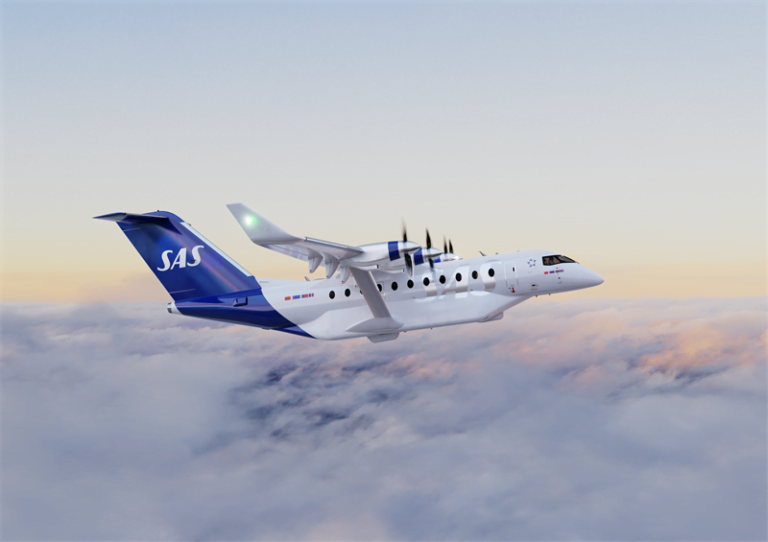
Sustainability remains another enormous challenge. SAS continues to invest in more fuel-efficient aircraft and sustainable aviation fuels, while also supporting the development of electric and hybrid-electric aircraft.
The airline has worked with Swedish manufacturer Heart Aerospace on its ES-30 regional aircraft. Early plans talked optimistically about electric commercial flights from 2028, but aircraft development takes time: Heart Aerospace now lists 2031 as its target for ES-30 type certification.
That's perhaps fitting for the SAS story. Over eight decades, aircraft have changed, competitors have come and gone, governments have bought and sold stakes, and SAS itself has repeatedly been forced to reinvent itself.
Yet the fundamental reason for its creation in 1946 remains surprisingly relevant today.
Scandinavia sits on the northern edge of Europe. Its population is relatively small and spread across a large geographical area. Keeping the region connected—to itself and to the rest of the world—remains a complicated business.
For 80 years, SAS has been trying to solve that problem. The colours and alliances may change, but the mission is remarkably familiar.
Have you ever flown with Scandinavian Airlines? What's your best memory from flying with SAS over the years? Let us know in the comments below.


Yes, I have flown on SAS. Singapore – London (via Copenhagen) – Singapore. I was pleased to be upgraded to Business Class on the forward journey. Great airline. Wonderful service.
Your article does not mention it, but I am fairly certain SAS helped set up Thai International Airways.