
Norway has never been more visible on the global travel map. But how people are choosing to experience the country is changing fast. These are the trends shaping trips to Norway right now.
Not so long ago, travel to Norway followed a fairly predictable script. A summer visit. A fjord cruise. A handful of iconic stops. Then home again.
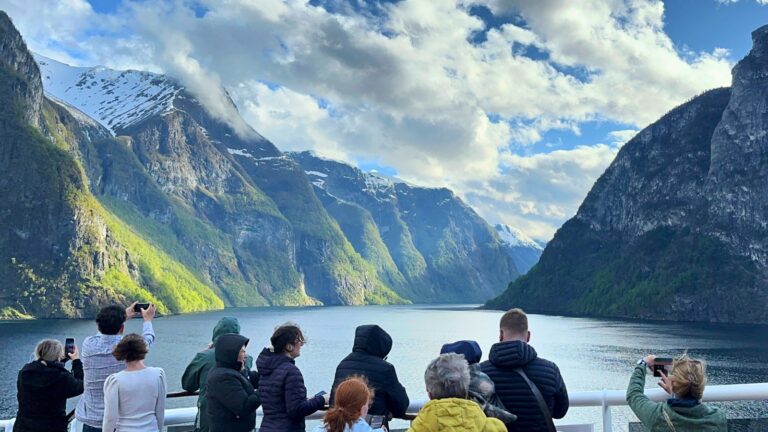
That version of Norway still exists, of course. But spend any time looking at recent travel patterns, and something else becomes clear. The way people are travelling here is shifting.
I see it myself in my travel consulting calls. Helping people plan their dream trips to Norway, I see how these trends are influencing the wants and desires of travellers from all across the world.
Some of these changes are global trends that Norway happens to fit particularly well. Others are more local, driven by infrastructure, policy, or simple word of mouth.
Put them together, and they offer a useful snapshot of what to expect if you’re planning a trip to Norway in 2026.
The Rise of the “Coolcation”
For years, Mediterranean destinations dominated summer travel in Europe. That’s beginning to change in a trend known as “colocations”.
Rising temperatures and crowded cities have pushed more travellers to look north, and Norway is one of the clearest beneficiaries of that shift.
It’s not just about escaping the heat. It’s about a different kind of summer experience. Fresh air, long daylight hours, and the ability to be active without feeling overwhelmed by the climate.
Places like Lofoten and Tromsø are seeing growing summer interest from visitors who might previously have headed to Spain, Italy, or Greece.
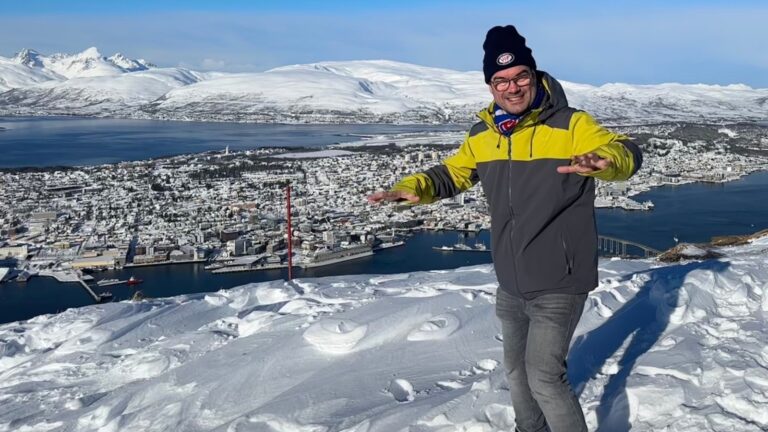
That said, “coolcation” doesn’t mean cool. Summer temperatures in parts of Norway are reaching 30°C much more regularly than in previous years.
It also doesn't mean quiet. In some of Norway’s most famous spots, the opposite is true. Which leads to another emerging trend.
Travelling Outside the Peak
As demand rises, so does awareness of the downsides of peak season.
More travellers are now deliberately avoiding July and early August, instead choosing May, June, or September. These shoulder months offer many of the same experiences, often with better availability and slightly lower prices.
In high season, the difference can be hard to ignore. Popular fjord villages and cruise ports can feel crowded, accommodation prices climb sharply, and availability becomes limited surprisingly early.
Step just outside that window, however, and the atmosphere shifts. A place that feels overwhelmed in mid-July can feel almost relaxed just a few weeks earlier or later, with more space to actually enjoy the surroundings.
Northern Lights Interest
Winter travel is also benefiting. Northern lights travel continues to grow, but so too does interest in winter landscapes more generally, even among travellers who aren’t chasing the aurora.
In places like Tromsø and Alta, peak aurora season now brings its own kind of high demand, with tours and accommodation often booking out well in advance.
Even so, those willing to travel more flexibly during the winter season can often find better value and a quieter experience, while still having a strong chance of seeing the lights.
A Move Towards Slower Travel
There’s a noticeable shift away from rushed itineraries. This is something I see myself in my travel consulting calls. In fact, it's something I guide clients towards. Not because it's a trend, but because it's something I have always believed!
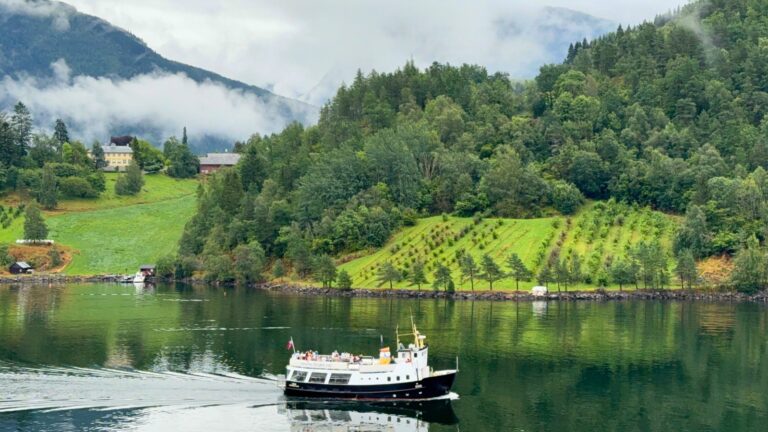
Rather than trying to “do Norway” in a few days, more visitors are choosing to spend longer in fewer places.
That might mean basing themselves in Bergen for several days, exploring the surrounding fjords at a more relaxed pace, or combining a city stay with nearby nature rather than constantly moving on.
Part of this is practical. Norway is a large country, and distances can be deceptive. But it’s also philosophical. Travellers are increasingly looking for a sense of connection to a place, not just a checklist of sights.
Norway, with its easy access to nature and strong sense of local identity, lends itself well to that approach.
Experiences Over Landmarks
Closely linked to slower travel is a growing focus on experiences rather than traditional sightseeing.
The classic attractions remain popular. The Flåm Railway, the Geirangerfjord viewpoints, the Atlantic Road. They’re not going anywhere. But more travellers are looking beyond them.
That might mean joining a guided hike, taking part in a local food experience, or simply spending time outdoors in a way that reflects everyday life in Norway. The concept of ‘friluftsliv' often comes up here, even if visitors don’t always use the word.
In practice, it can be as simple as walking, swimming, or sitting quietly by the water. The appeal is not complexity, but authenticity.
The Changing Role of Cruises
Cruise travel remains a major part of Norway’s tourism landscape, but expectations are evolving.
There’s growing demand for more time in port, more meaningful excursions, and smaller group experiences. The days of a quick photo stop followed by a return to the ship are becoming less appealing for many travellers.
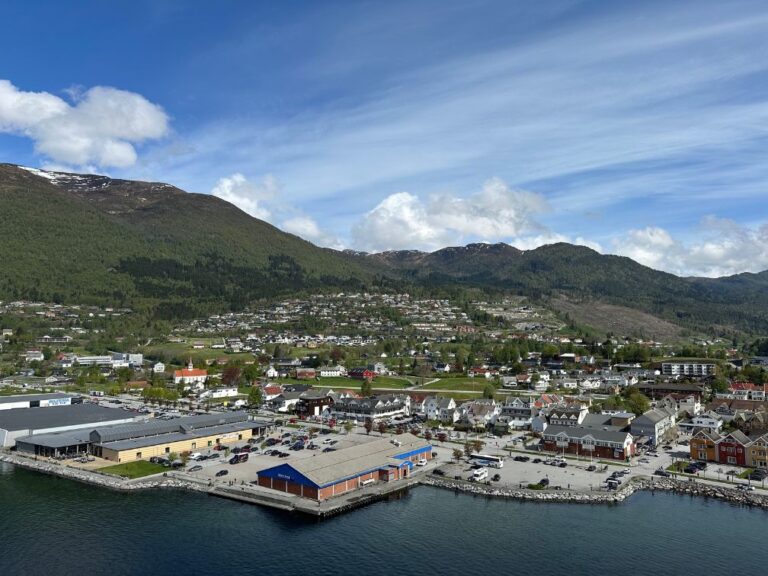
At the same time, environmental concerns are shaping the industry. Regulations, port policies, and public debate are all pushing cruise lines to rethink how they operate in sensitive areas, particularly the fjords.
A new cruise passenger tax under discussion could well impact the future of Norwegian cruises. For travellers, that may translate into a different kind of itinerary. Fewer stops, longer stays, and more emphasis on what happens ashore.
Norway as a “Second-Time” Destination
Another interesting shift is the number of repeat visitors. For many, a first trip to Norway focuses on the headline destinations. The fjords, Oslo, maybe Bergen. Increasingly, a second trip looks very different.
Travellers return to explore lesser-known regions, spend more time in the north, or simply revisit a place they connected with. This pattern is helping to spread tourism more widely across the country, although the most famous spots still attract the largest crowds.
It also reflects something else. Norway is no longer seen as a once-in-a-lifetime destination for many people, but somewhere worth returning to.
Planning Matters More Than Ever
If there’s one practical takeaway from all these trends, it’s this: planning ahead has become more important.
Popular attractions can sell out. Accommodation in smaller destinations fills up quickly. Transport options, especially in remote areas, are not always as frequent as travellers expect.
At the same time, good planning opens up more possibilities. It allows travellers to take advantage of shoulder seasons, explore less obvious locations, and build a trip that feels more personal.
That doesn’t mean overplanning every detail. But it does mean thinking a little more carefully about timing, logistics, and priorities.
If you need help planning your dream trip to Norway, consider one of my travel consulting calls.
I've lived in Norway for 15 years and have travelled the country extensively in that time. I'll help you avoid the common mistakes and help you get the experiences you want, whether they are shaped by current travel trends or not!
Travel to Norway in 2026 is less about ticking off the biggest sights and more about how those places are experienced. It’s about timing, pace, and intention.
The iconic landscapes are still the draw. That hasn’t changed. What has changed is how people want to engage with them.