
Norway is preparing to introduce local charges, while Finland is considering something similar. Iceland wants visitors to pay at its most famous natural attractions, while Denmark has just rethought a proposed hotel tax.
Tourist taxes have become an increasingly familiar part of travelling around Europe.
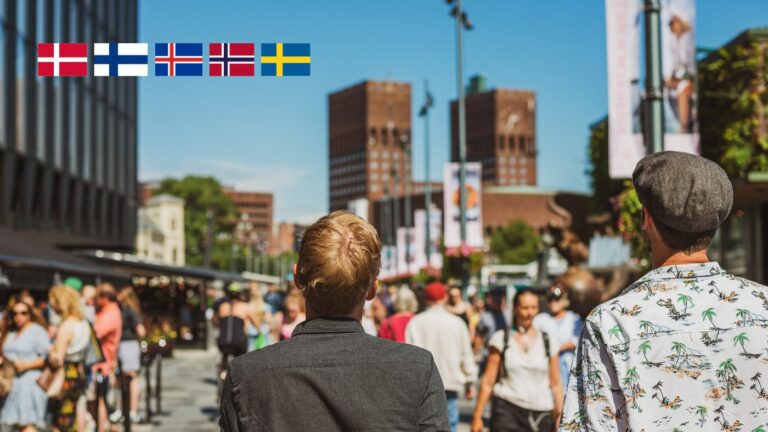
From city taxes added to hotel bills to entrance charges at popular attractions, destinations are looking for ways to make visitors contribute towards the infrastructure they use.
The Nordic countries are no exception. Tourism has grown rapidly in many parts of the region, bringing obvious economic benefits but also pressure on roads, public toilets, walking trails, waste collection and local communities.
Yet there is no obvious Nordic consensus on how visitors should pay for that pressure.
Norway has settled on a locally controlled accommodation charge. Finland is considering a similar but more flexible system. Iceland is proposing an annual pass for three of its most famous natural attractions.
Denmark, meanwhile, has stepped back from plans for a hotel tax in Copenhagen and Aarhus.
Together, the different approaches reveal some of the difficult questions behind what can sound like a simple idea: making tourists pay a little more.
Norway's New Visitor Contribution
Norway's long-debated besøksbidrag, or visitor contribution, became law on 1 July 2026. From 2027, municipalities that can demonstrate particularly high pressure from tourism can introduce an accommodation charge.
The fee is set nationally at 3% of the accommodation price before VAT. It can apply to hotels, hostels, holiday homes, apartments and other forms of paid short-term accommodation.
Municipalities can also choose to impose it only during part of the year. Importantly, the money isn't simply intended to disappear into general municipal budgets.
Before introducing the charge, a municipality must produce a plan explaining how the money will be used and have that plan approved by the Ministry of Trade, Industry and Fisheries.
Revenue can be used for things such as public toilets, trails, parking, infrastructure and other facilities where demand increases substantially because of visitors. That distinction has been central to the Norwegian debate.
The argument is not simply that tourists should be taxed because they are tourists. It is that destinations attracting large numbers of visitors face costs that are currently largely borne by local residents.
Tromsø has already voted to introduce the 3% accommodation charge from 2027, subject to the necessary approval from the government.
The Arctic city recorded more than 1.3 million commercial overnight stays in 2025, along with around 180 cruise calls and more than 190,000 cruise passengers.
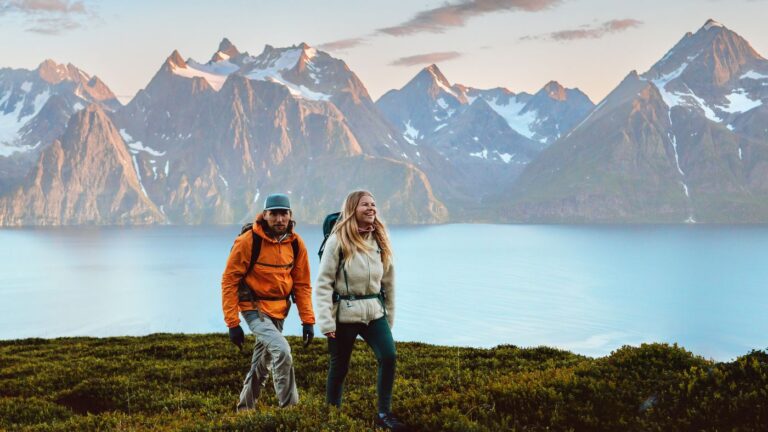
Lofoten is also moving ahead. Vestvågøy municipality has approved its plan for using revenue from a 3% accommodation charge, with the process being coordinated with the other Lofoten municipalities.
Norway is also working on a separate system for cruise passengers.
The government has proposed allowing eligible municipalities to charge NOK 100 per cruise passenger for each started 24-hour period that a ship spends in the municipality, although the final regulations are being dealt with separately from the accommodation charge.
Finland Considers A Similar Idea
Across the border, Finland is heading in broadly the same direction, but with some important differences.
The Finnish Ministry of Finance is preparing legislation that would allow municipalities to introduce their own tourist tax on short-term paid accommodation.
Under the proposal, local councils would be able to set the tax at anywhere between 2% and 5% of the accommodation price before VAT.
It would apply to different types of paid short-term accommodation and to both Finnish and international travellers. Revenue would remain with the municipality collecting the tax.
The proposed law is intended to take effect in 2027, although municipalities would not be able to begin collecting the tax until the beginning of 2028. That gives Finland a potentially more flexible model than Norway.
Norwegian municipalities opting into the system must use the fixed 3% rate. In Finland, municipalities would be able to decide both whether they want the tax and where within the permitted 2–5% range to set it.
There is also a difference in how directly the revenue is tied to tourism infrastructure.
Norway's system requires municipalities to set out how the money will pay for facilities and services affected by tourism. Finland's proposal is structured as a municipal tax, providing an additional source of local government revenue.
For destinations such as Rovaniemi and other parts of Finnish Lapland, where international winter tourism has grown rapidly, the debate is likely to be closely watched.
Iceland Proposes A Golden Circle Pass
Iceland is considering a very different approach. Rather than adding a percentage to hotel bills, the Icelandic government has proposed a nature and infrastructure fee covering three of the country's busiest attractions: Þingvellir National Park, Gullfoss waterfall and the Geysir geothermal area.
Together, the three sites form the core of Iceland's famous Golden Circle sightseeing route.
Under the proposal, people aged 18 and over who are not tax residents of Iceland would need an electronic pass to visit the sites.
The pass would cost ISK 4,500 during the peak season and ISK 3,000 from November through May. It would remain valid for one year and cover all three locations. If approved, the system is planned to begin on 1 May 2027.
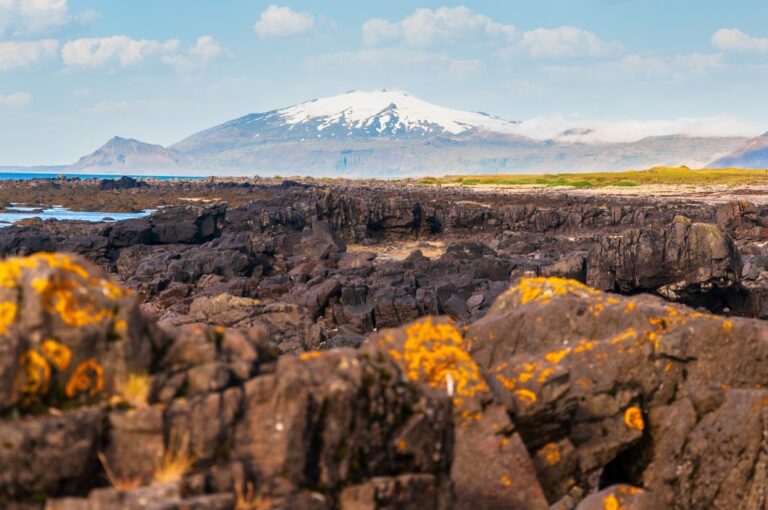
The Icelandic government estimates the fee could eventually raise between ISK 6 billion and ISK 7 billion per year. Parking charges currently collected at Þingvellir would be removed under the proposed system.
It is a fundamentally different idea from the Norwegian approach. A traveller staying in Reykjavík but never visiting the Golden Circle would pay nothing. Someone travelling around Iceland in a campervan but visiting Gullfoss would contribute.
The charge is therefore linked much more directly to particular attractions experiencing heavy visitor numbers. However, the proposal is not without controversy.
Local authorities have raised objections, while Iceland's Prime Minister has said the model could potentially be expanded to other destinations in the future if it proves successful.
That could ultimately make Iceland's system much more significant than a simple Golden Circle entrance pass.
Denmark Steps Back From A Hotel Tax
Denmark illustrates the other side of the debate. Plans had been discussed for a tourist tax of DKK 20 per overnight stay in Copenhagen and Aarhus.
But the proposal was absent from the Danish government's 2027 finance bill presented in October and was also left out of its legislative programme. For now, the hotel tax appears to have been shelved.
Denmark's hospitality industry had opposed the measure, arguing that it would make the country more expensive and weaken its competitiveness as a destination. That argument will sound familiar anywhere tourist taxes are discussed.
Supporters see visitor contributions as a way of ensuring that local residents do not shoulder all the costs created by growing tourism. Opponents question whether making already expensive destinations even more expensive is the best way to manage tourism.
That is particularly relevant in the Nordic region, where accommodation, restaurants and transport are already relatively costly compared with many other European destinations.
The Same Problem, Different Solutions
What makes the current Nordic debate interesting is that the countries broadly agree on the problem. Tourism brings jobs, business and investment. But rapid growth can also put significant pressure on relatively small communities.
That is obvious in places such as Lofoten and Tromsø in Norway, Finnish Lapland and Iceland's Golden Circle.
Where the Nordic countries differ is in deciding who should pay, how much they should pay, and where that money should go.
There is another important difference, too. Most traditional tourist taxes are designed primarily to raise money. Increasingly, however, destinations are also talking about visitor charges as part of tourism management.
That could mean using the money to build better facilities, spreading visitors across a wider area, protecting vulnerable nature or simply making tourism more acceptable to the people who actually live in popular destinations.
Norway's first visitor contributions will therefore be worth watching closely.
The amount added to an individual hotel stay may be relatively small. The bigger question is whether the money raised makes a noticeable difference in the places experiencing the greatest pressure from tourism.
If it does, Norway's approach may prove to be an example its Nordic neighbours look at increasingly closely.