
From Röyksopp and Kings of Convenience to Aurora and Kygo, Bergen has played an outsized role in modern Norwegian music. But what exactly was the Bergen Wave?
Bergen is famous for rain, mountains, wooden houses, seafood, and its role as the gateway to the fjords. But for anyone interested in Norwegian music, the city has another identity.
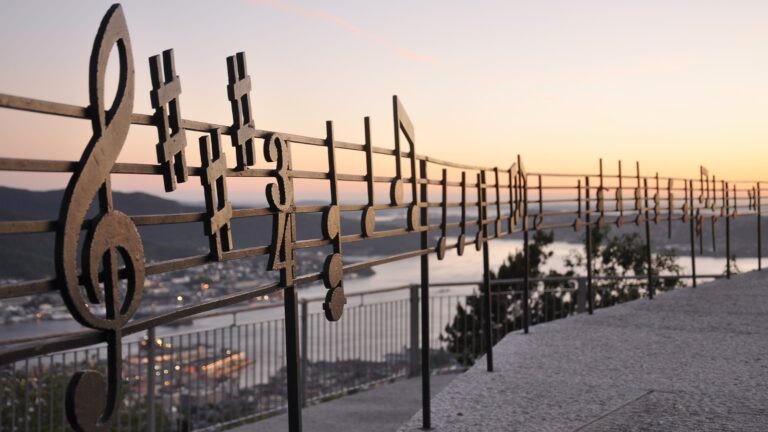
For decades, Bergen has produced, attracted, and shaped a remarkable number of Norwegian artists. Some became huge in Norway. Others found cult audiences abroad. A few became internationally recognisable names.
At various points, Norwegian media have called this phenomenon the Bergen Wave, or Bergensbølgen. It is a useful phrase, but also a slightly slippery one. It does not refer to one single genre, one single year, or one neat group of musicians.
In fact, many of the artists involved have not been especially fond of the term. Like many labels invented by journalists, it can make a messy, creative, overlapping scene sound more organised than it really was.
But the phrase stuck for a reason. For a relatively small city on Norway’s west coast, Bergen has had an extraordinary influence on modern Norwegian music.
More Than One Wave
The Bergen Wave is often associated with the turn of the millennium, when artists such as Röyksopp, Kings of Convenience, Annie, Ralph Myerz & The Jack Herren Band, and Erlend Øye began attracting attention outside Norway.
This was a period when Norwegian music was still not especially visible internationally, at least outside particular niches such as black metal or classical music.
Suddenly, a group of Bergen-linked artists seemed to be appearing in British music magazines, on European labels, and in the collections of curious listeners far beyond Norway.
The sound was not uniform. Röyksopp made sleek, melancholic electronic music. Kings of Convenience offered intimate acoustic pop. Annie moved in a sparkling electronic pop direction. Datarock brought red tracksuits, dance-punk energy, and humour. Sondre Lerche added sophisticated indie-pop songwriting.
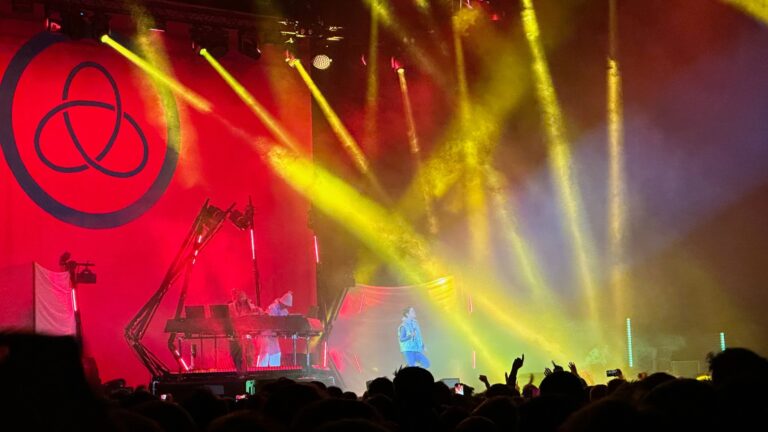
If there was a common thread, it was not genre. It was atmosphere, taste, independence, and a sense that Bergen musicians were listening to each other, borrowing from each other, and quietly encouraging each other to be more ambitious.
The Tellé Records Effect
No story of the Bergen Wave can ignore Mikal Telle and Tellé Records.
Tellé was a small Bergen-based label and music environment that helped release and promote several key artists at an early stage. For many listeners abroad, Tellé became a kind of gateway into the Bergen scene.
This became important because scenes often need more than musicians. They need record shops, promoters, labels, DJs, venues, graphic designers, journalists, friends, and enthusiasts.
They need someone to say: this is worth hearing. Bergen had that ecosystem. But, funnily enough, Mikal Telle has often pushed back against the idea of a carefully planned “wave.”
From his perspective, it was more a group of friends and music lovers supporting each other. That sounds less dramatic than a media-created movement, but perhaps more accurate.
Why Bergen?
So why Bergen? The obvious answer is the weather. Bergen is famously rainy, and people often joke that the city’s climate encourages musicians to stay indoors and create.
It is a charming theory, and there may be a little truth in it. Long wet evenings are not the worst conditions for making records. But weather alone does not explain it, of course!
Bergen is Norway’s second city, but it does not feel like a smaller version of Oslo. It has its own pride, accent, humour, and stubbornness. The city is big enough to support venues, students, cultural institutions, and creative networks, but small enough that people from different scenes bump into each other.
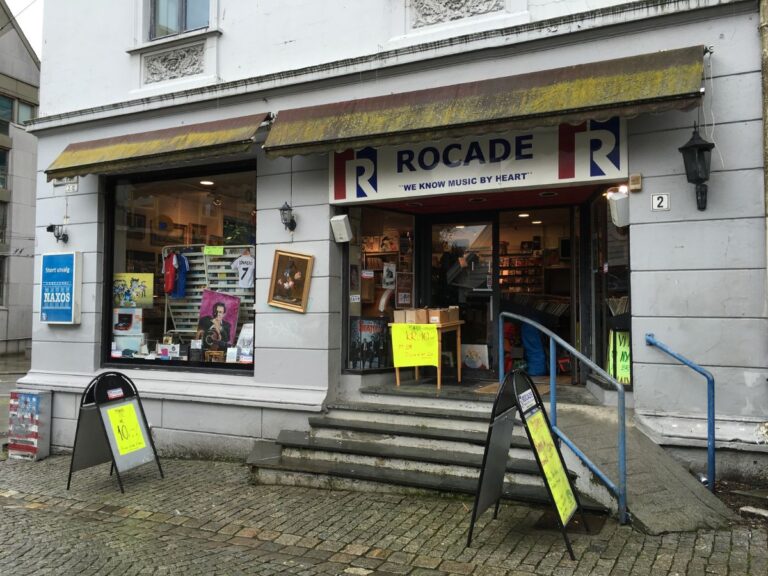
A musician in Bergen can feel part of a local world, but also far enough from the national centre to develop something distinct.
There is also a long musical heritage. Bergen is the city of Edvard Grieg and Ole Bull, but also a place of clubs, festivals, student culture, and experimental scenes. From classical music to jazz, electronica, pop, indie, and metal, Bergen has always had more going on than visitors might expect.
A City Of Exports
One of the striking things about Bergen’s modern music story is how many artists found audiences abroad.
Röyksopp became one of Norway’s most successful electronic acts. Kings of Convenience helped define the early 2000s “quiet is the new loud” acoustic mood.
Erlend Øye became a restless international figure, moving between Bergen, Berlin, Sicily, and beyond. Annie became a cult pop favourite. Sondre Lerche built a long international career with one foot in Bergen and another in the wider world.
Later, the Bergen region would produce or shape artists with very different sounds and audiences.
Kygo helped popularise tropical house on a global scale. Aurora developed a theatrical, emotional pop universe that feels both international and distinctly tied to western Norway’s atmosphere. Alan Walker, who grew up in Bergen, became a digital-era global hitmaker.
Not all of these artists belong to the Bergen Wave in the strictest sense. Some came later, some were born elsewhere, and some are connected to the region rather than the city itself. But together, they show how Bergen’s music story did not end when one media label faded.
Not Just Pretty Melancholy
There is a temptation to describe Bergen music as rainy, melancholic, tasteful, and slightly introverted. Sometimes that fits. Röyksopp, Kings of Convenience, and parts of Aurora’s music all invite that kind of reading. But it is far too narrow.
Bergen has also given Norway loud, funny, political, danceable, strange, and unruly music. Datarock, Lars Vaular, Razika, John Olav Nilsen & Gjengen, and many others show a city with more range than one soft-focus stereotype can hold.
That is why the Bergen Wave is best understood not as a sound, but as a pattern. Bergen keeps producing artists who are strongly rooted in place but not limited by it. They sound local enough to have character, yet outward-looking enough to travel.
Where To Hear Bergen’s Music Today
The city has a busy live calendar, from intimate club shows to major outdoor concerts at Bergenhus Fortress.
Bergenfest brings international and Norwegian artists to the city each summer. Nattjazz fills late spring evenings with jazz, improvisation, and experimental sounds. Grieghallen, USF Verftet, Ole Bull Scene, Hulen, and smaller venues all play their part in keeping the city’s musical life visible.
There is also a museum and heritage side. Edvard Grieg’s home at Troldhaugen remains one of Bergen’s most important cultural attractions, while the city’s wider music story can be traced through venues, record shops, festivals, and neighbourhoods.
The best way to understand Bergen as a music city is not simply to make a playlist, although that helps. It is to walk through the city in the rain, notice how compact everything feels, and go to a show.
Like many music-scene labels, the Bergen Wave is partly myth. It tidies up a complicated reality and turns friendships, accidents, labels, venues, ambition, and timing into a neat phrase. But myths can still be useful.
Whatever the reason for its emergence, Bergen has earned its reputation as one of Norway’s great music cities. The wave may have started as a media label, but the music kept coming.