Strict rules, high prices and limited opening hours shape how alcohol is sold in Norway. Here’s everything you need to know, whether you’re visiting or moving to the country.
It’s a mistake almost everyone makes when they first arrive in Norway.
You head to the supermarket on a Saturday evening, pick up a few beers, and join the queue. Only at the checkout do you realise something is wrong.
It’s 6.15pm. The system won’t let the cashier scan your alcohol. And you won’t be buying those beers until Monday morning. Welcome to alcohol in Norway.
Table of Contents
Buying Alcohol in Norway
Alcohol sales in Norway are tightly controlled. Where you can buy it, what you can buy, and when you can buy it are all regulated.
In simple terms:
- Drinks up to 4.7% ABV can be sold in supermarkets
- Anything stronger must be bought from the state-run alcohol retailer
That retailer is Vinmonopolet, often shortened to “Polet.”
Bars, restaurants and clubs can serve alcohol, but even these operate under strict local licensing rules.
What Alcohol Do Norwegians Drink?
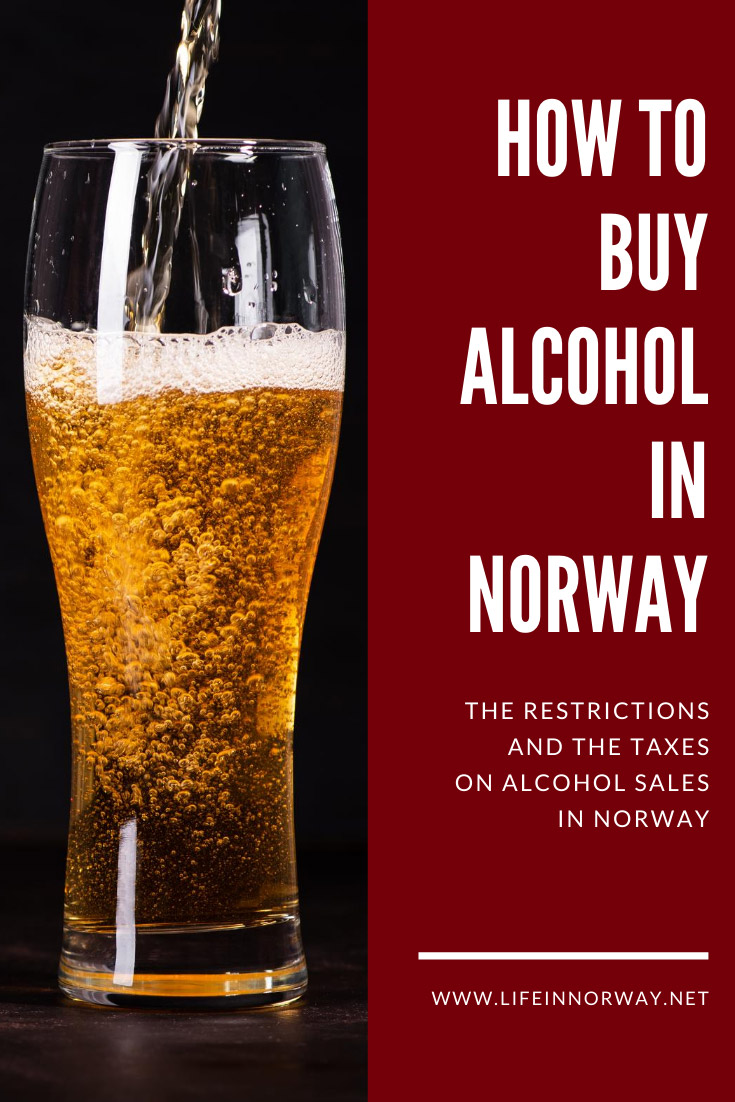
Beer dominates Norway’s alcohol landscape. It’s the most widely consumed drink by volume and the most visible in everyday life.
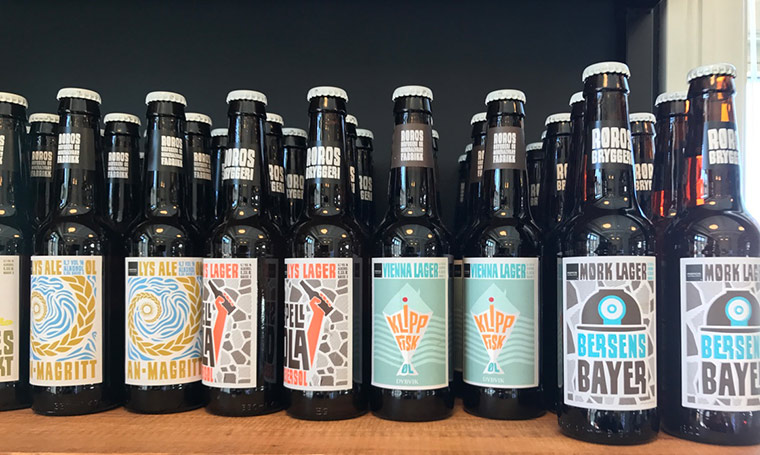
The rise of craft brewing has transformed the scene over the past decade, especially in cities like Oslo, Bergen and Trondheim.
Wine is also popular, particularly with meals, and often represents better value than beer or spirits due to how taxes are structured.
Traditional aquavit still has a place, especially during holidays like Christmas, though it tends to be more popular among older generations. Cider, particularly from western Norway, has also seen a surge in popularity in recent years.
Why Is Alcohol So Heavily Regulated?
Norway’s system is rooted in public health policy. High taxes, limited availability and restricted advertising are all designed to reduce alcohol consumption and related harm.
This model is shared across the Nordic region. Sweden operates a similar system through Systembolaget, although with different rules on supermarket sales.
Norway’s approach may feel restrictive, but it is widely accepted domestically and forms part of a broader policy framework that also covers tobacco, gambling and public health.
Why Is Alcohol So Expensive In Norway?
The short answer is tax. Alcohol duties in Norway are among the highest in Europe. As of 2026:
- Drinks between 4.7% and 22% ABV are taxed per litre and per alcohol strength
- Spirits face even higher rates
- Packaging taxes and 25% VAT are added on top
The result is simple. Alcohol is significantly more expensive than in most other countries.
Interestingly, this system can make mid-range wine at Vinmonopolet feel relatively good value compared to beer or spirits.
Buying Alcohol In Supermarkets
As I mentioned earlier, only drinks with an alcohol content at or less than 4.7% can be purchased in a regular store. This means you'll find Norwegian beers and ciders in most supermarkets, along with weaker versions of some popular international brands.
Regardless of the opening hours of an individual store, all supermarkets have limited hours in which they can sell alcohol.
After 8pm on weekdays, 6pm on Saturdays, and all day Sundays, only licensed bars and clubs are permitted to sell alcohol.
Crucially, supermarket tills are programmed to reject alcohol sales outside these hours. There’s no negotiation. Local municipalities can impose stricter limits, but not looser ones.
Vinmonopolet
For stronger beers, wines and spirits, you need to visit the state-run alcohol store. Vinmonpolet (literally the Wine Monopoly) has even shorter opening hours than the supermarkets.
Standard opening hours are:
- Monday to Friday: 10:00–18:00
- Saturday: 10:00–16:00
- Sunday: closed
Hours can vary slightly by location, especially in smaller towns.
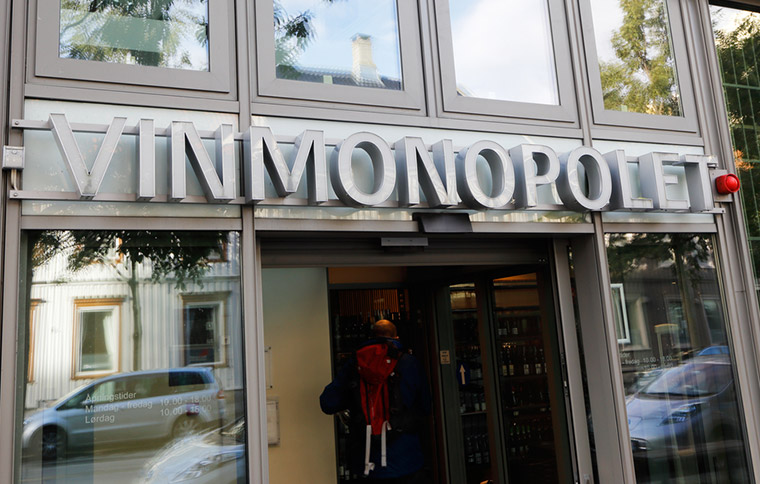
On the plus side, there is a very good selection of products. That's especially true for wines. I feel that wine falls in the sweet spot of the tax rates, and you can buy some really good quality wines for less than NOK 200.
You'll also find a good selection of imported beers and ciders, but these tend to be pricey. Also on offer are various beers from Norwegian breweries at a stronger ABV than can be sold in the supermarkets.
The big cities tend to have several outlets, while smaller towns may just have one. However, if you live in a rural area of Norway, you may have to drive for an hour or two just to be able to buy a bottle of wine!
Alcohol in Bars, Restaurants and Nightclubs
Licensing laws in Norway are strict, and are administered on a local level. To gain a licence to serve alcohol, the manager plus a deputy must take and pass a test of knowledge on the Norwegian Alcohol Act. The regulations also state that licence holders must be “of spotless repute.”
Serving hours vary by location. In many places:
- Last orders are around 02:00
- Some cities, including Oslo, allow serving until 03:00
Rules can also apply to what is served and when. For example, some municipalities restrict the serving of spirits earlier in the day.
Age limits and ID checks
The legal drinking age in Norway depends on the type of alcohol:
- 18 years: beer, wine and drinks up to 22% ABV
- 20 years: spirits above 22% ABV
ID checks are common and taken seriously, particularly at Vinmonopolet and in bars.
Discounts and Happy Hours
One common misconception is that Norway has no discounts on alcohol at all. That’s not entirely true. It’s more accurate to say that discounts exist, but they are difficult to spot and tightly controlled.
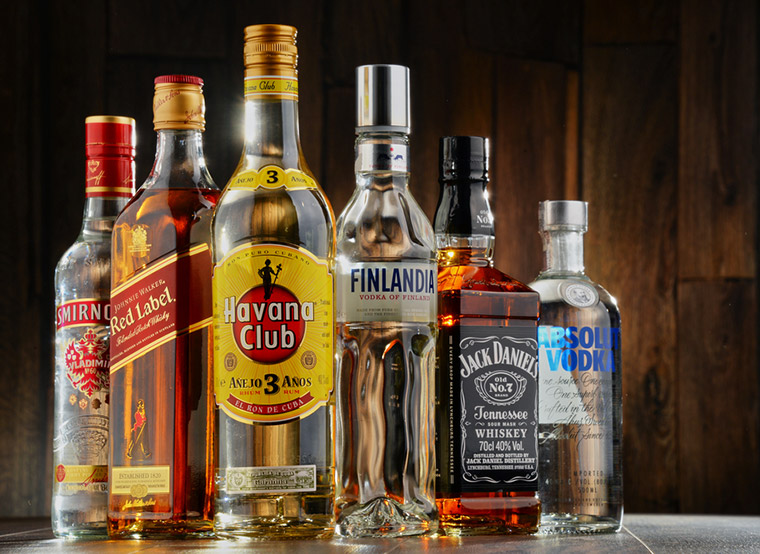
The key reason is Norway’s strict ban on alcohol advertising. Under the Alcohol Act, businesses are not allowed to promote alcoholic drinks in a way that encourages consumption. That includes obvious tactics such as posters, social media ads, or signage highlighting special offers.
In practice, this means bars and restaurants can adjust their prices, but they cannot actively market those changes. A venue might quietly lower the price of certain drinks at specific times, but it cannot clearly advertise a “happy hour” in the way you would see in the UK or USA.
Even wording matters. Phrases that directly encourage drinking or emphasise alcohol as the main attraction can breach the rules.
Retail is even more restrictive. At Vinmonopolet, pricing is standardised across the country. You won’t find multi-buy deals, clearance bins, or seasonal sales in the traditional sense.
Duty Free Alcohol Sales in Norway
Duty-free shopping is one of the few ways to avoid Norway’s high alcohol prices. Arriving international passengers can buy alcohol within strict quotas, which makes airport duty-free stores extremely popular.
In fact, the duty-free shop is often the first stop for many Norwegians after landing.
The appeal is simple. Alcohol sold duty-free is exempt from Norway’s high taxes, meaning prices can be significantly lower than at Vinmonopolet. A bottle of spirits or a few bottles of wine can cost substantially less than buying the same items in town.
However, there are strict limits on how much you can bring in. The quota system allows a combination of beer, wine and spirits, with different allowances depending on what you choose. For example, travellers can typically bring in a set amount of spirits, or swap some or all of that allowance for additional wine or beer.
Because of these limits, many travellers plan their purchases carefully. It’s common to see people comparing options in-store or even checking quotas in advance to maximise what they can bring in legally.
Harrytur: Buying booze in Sweden
While fury free sales from airports is one exception, there is actually another! Many Norwegians regularly drive across the Swedish border for “cheap” shopping opportunities.
Now while food prices in Sweden are cheaper than Norway, they will still seem expensive to those coming from many other countries. Meat and sugar-based foods are popular purchases on these trips, along with alcohol.
Such is the popularity of these trips, known as a harrytur, the shopping malls just across the border are big and geared towards Norwegians. So much so, that many of them even offer free bus travel from Oslo and Trondheim.
At Strömstad near Oslo, Swedish authorities opened a Systembolaget (the Swedish Vinmonopolet) because of the trade from Norway.
An important point to note, however. Shopping for alcohol in Sweden means you are importing alcohol to Norway. That means you are subject to a quota, and will have to pay duties on anything over that quota. There's more on this below. Anything below 2.5% ABV is exempt from the quota, so many Norwegians stock up on light beers on these trips.
Importing Alcohol to Norway
Contrary to what you may think, it is possible to import alcohol to Norway as an individual. However, the vast majority of people don't do this. The reason? That's simple! High tax and duties.
If you're travelling yourself, goods should be declared upon arrival by using the “red” lane at customs. Remember though, you don't need to use the red lane if you're within the duty free limit, of course.
If you are being sent goods, tax and duties must be paid on the entire shipment. Unfortunately, this applies regardless of whether the shipment is a gift, inheritance or for any other reason. Individuals can declare the goods directly with customs, or have it done by a forwarding agent.
Note that alcohol and packaging duties will be added to the goods. On top of that total, Norway's 25% VAT charge is payable. Furthermore, there will also be a processing fee if you're using a forwarding agent.
This means that in most cases, the total amount payable to customs will actually exceed the value of the goods themselves.
Buying Alcohol on Svalbard
Alcohol rules are even stricter in Svalbard, reflecting the territory’s unique history and remote Arctic setting. Unlike mainland Norway, alcohol sales in Longyearbyen are tied to a quota system for residents.
Residents of Svalbard are issued a personal purchase card, which tracks how much they buy each month from the local branch of Vinmonopolet. The limits vary depending on the type of alcohol, but the principle is simple: there is a cap on how much individuals can purchase.
This system dates back to the mining era, when authorities sought to control alcohol consumption in what was then a small, isolated company town. While modern Svalbard is very different, the quota system remains in place.
Visitors are not subject to monthly quotas in the same way, but they cannot simply walk in and buy alcohol without checks.
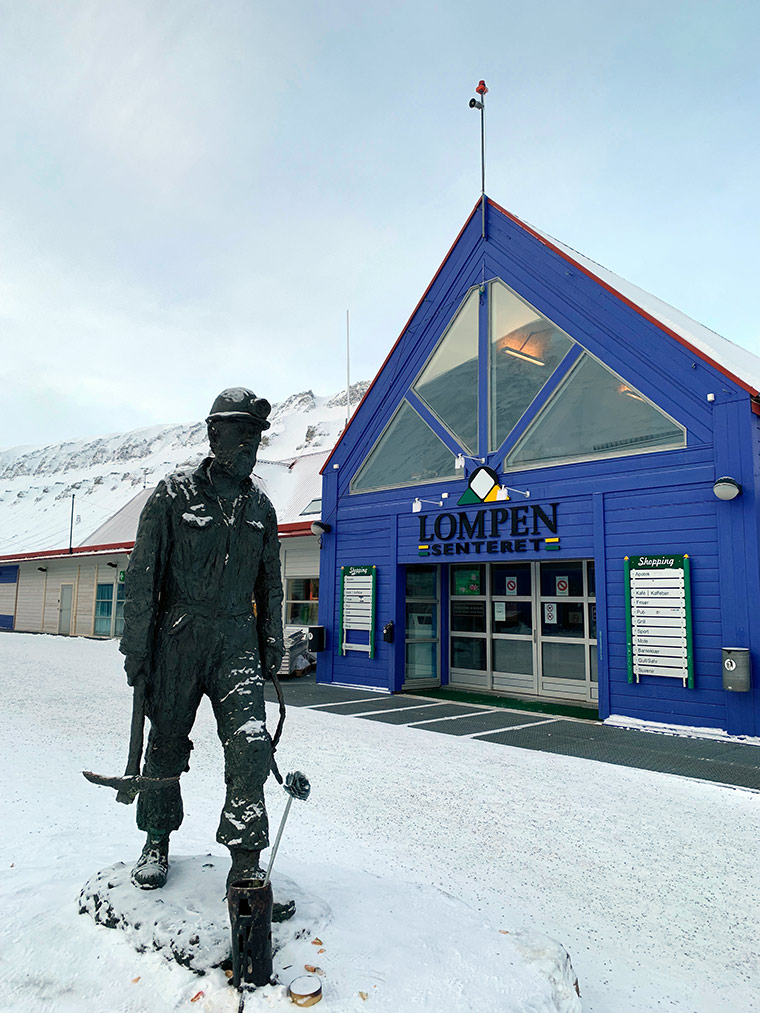
To make a purchase, visitors can be asked to present identification and proof of onward travel, such as a return flight ticket. This ensures that purchases are tied to a short stay rather than ongoing consumption.
Supermarkets in Longyearbyen can still sell beer and other low-strength drinks, similar to the mainland rules, although availability can vary.
One important detail often catches travellers by surprise. When flying from Svalbard back to mainland Norway, you are not entitled to standard duty-free allowances.
Although flights arrive at international terminals, Svalbard is part of Norway for customs purposes. That means you cannot stock up on tax-free alcohol before returning south.
The result is a system that feels even more controlled than the mainland, shaped as much by history and geography as by modern public health policy.
Plan Ahead: Holidays and Closures
If there’s one takeaway from all this, it’s simple: plan ahead. Alcohol sales are restricted on Sundays and public holidays, including:
- Christmas
- Easter
- 17 May (Constitution Day)
- 1 May
Shops close early before these dates, and queues at Vinmonopolet will be long.
A Different Drinking Culture
Norway’s alcohol rules can feel strict at first. But over time, many people adapt. The system encourages planning, moderates consumption and shapes a different kind of drinking culture.
Whether that’s a good thing or not depends on your perspective. But one thing is certain. In Norway, buying alcohol is never an afterthought.


Thanks for an as always great article!
This is, though, Norwegian mentality at its worst! Even though this might just be a tax grab, they shamelessly say that they overtax alcohol to prevent the People from excessive drinking. This arrogant “guardian” attitude is despicable. Just as is the law of Jante, by the way.
Norwegians have gotten drunk ever since alcohol was presented to them, they will also get drunk whenever alcohol is presented to them, alcohol is not in their culture, it’s in their veins, if I may say so.
This “nanny state” rant above is given totally without care. It fails to recognize the huge social damage to our communities, that are caused by alcohol when taken to excess!
We have excellent ways of picking up the pieces, with many counselors employed…but we have far too few safeguards in place in Australia…to avoid the harms of alcohol in the first place!
Australians have long equated alcohol with celebration…either of gender differences or social class. We can no longer afford such trite cultural definitions, when alcohol increasingly kills and maims people, especially our young for whom drunkenness is a new art form.
Like we license our drivers we need to license alcohol drinkers to limit over-use. Same should happen with all gamblers….but across the world the rotten to the core, lazy politicians are too busy taking political donations to genuinely try to reduce social harms. We should all listen far more to Sweden and Norway!
You can’t order a double G&T in Norway (or any other double-distilled).
Well, you can try to order, but you’ll be told: ‘I’m not allowed to sell you a double. But I can give you a single G&T and a shot of gin on the side. Just don’t show me you’re adding the shot to the single’.
This is the case in every single bar and a great example of Norwegian ‘dobbeltmoral’ (double standards).
You have not mentioned that alcohol can’t be purchased on public holidays either, especially around Easter there is like 4 days no alcohol.