

The historic Norwegian coastal route offers visitors a cruise-like experience along one of the world’s most dramatic coastlines, but it is not quite the same as a traditional cruise. Here’s what to expect from Norway’s coastal voyage.
Since 1893, ships have sailed a regular route along the Norwegian coastline, connecting remote communities with larger towns and cities.
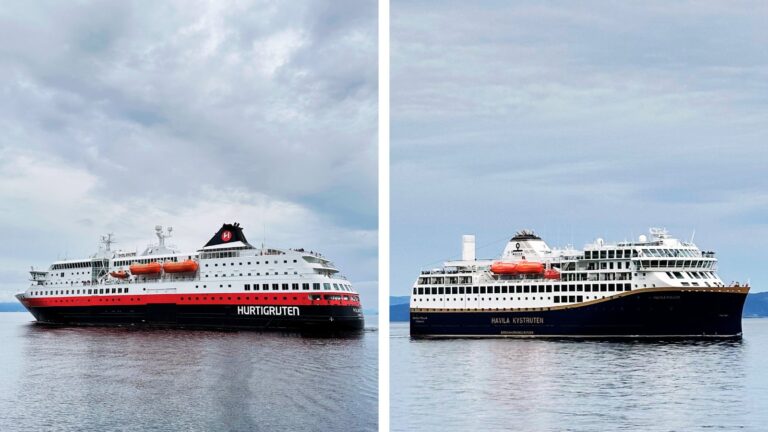
What began as an essential cargo and passenger service has become one of Norway’s best-known travel experiences.
Today, the route is shared by Hurtigruten and Havila Voyages. Their ships still carry local passengers and some cargo, but they are also popular with international visitors who want to experience Norway’s coastline at a slower pace.
When I first moved to Norway, I quickly got to know the name Hurtigruten, even though I was living in Oslo, far from the coastal route. As I began to travel around the country, I saw the ships in ports from Bergen to Tromsø and gradually came to understand just how important they are to coastal Norway.
It took me almost eight years before I finally set foot on a Hurtigruten vessel myself. Since then, I have used the coastal ships both for short port-to-port journeys and a full roundtrip voyage. I have also sailed on Havila, the newer operator on the route.
I thoroughly enjoyed the experience, but I also learned something important. The Norwegian coastal voyage is not for everyone.
It can be relaxing, scenic, fascinating, and deeply memorable. But it can also feel slow, quiet, and unusual if you are expecting the facilities, entertainment, and daily rhythm of a conventional cruise ship.
🚢 Hurtigruten Bookings: Check the latest fares and availability on the Norwegian coastal route (ad): Hurtigruten Norway – Hurtigruten US/CA – Hurtigruten UK
So, if you are considering taking a coastal voyage in Norway, this guide explains what to expect, how Hurtigruten and Havila compare, and whether this unique journey is right for you.
Introducing Norway’s Coastal Voyage
Norway’s classic coastal route runs between Bergen in the southwest and Kirkenes in the far northeast, close to the Russian border. The full roundtrip from Bergen to Kirkenes and back to Bergen takes 12 days.
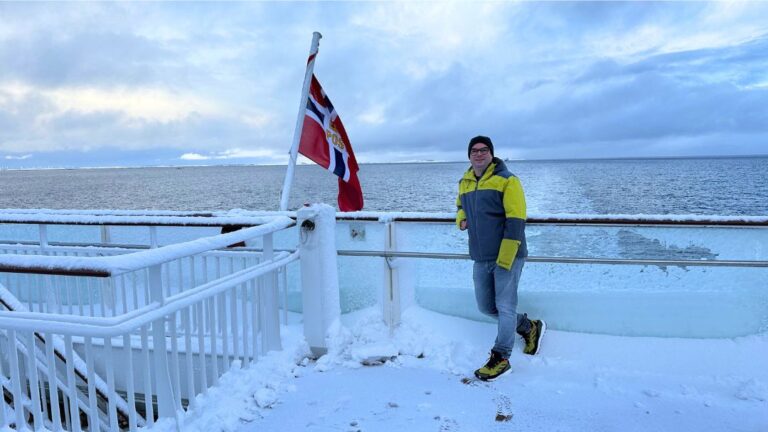
Many travellers choose the full roundtrip because the northbound and southbound journeys call at different ports at different times of day. A town visited in darkness on the way north may be seen in daylight on the return journey.
Others choose a one-way voyage. Bergen to Kirkenes takes about a week, while the southbound journey from Kirkenes to Bergen is slightly shorter. Some people fly one way and sail the other, which can be a good option if you have limited time.
It is also possible to use the ships as local transport. Norwegians do this all the time, travelling from one coastal town to another without booking the full tourist package. For visitors, though, the full coastal voyage is usually the main attraction.
For decades, Hurtigruten was the name associated with this journey. But following a government decision to introduce competition on the route, Havila Voyages now operates several of the scheduled departures with newer ships.
That means visitors now have a choice, although the decision may still be partly made for you. Departures are shared between the two operators, so if you have a fixed date in mind, the available ship and operator may already be determined.
Is It A Cruise Or A Ferry?
This is where many first-time visitors get confused.
Hurtigruten and Havila often describe their journeys as voyages rather than cruises. That distinction is useful. These ships do offer comfortable cabins, restaurants, excursions, lounges, panoramic views, and multi-day itineraries, all things associated with cruising.
But they are also working coastal ships. They follow a fixed schedule, call at many small ports, carry local passengers, and form part of Norway’s transport network.
In practice, the experience sits somewhere between a cruise, a ferry, and a slow travel adventure.
If you are used to mainstream cruising, you will notice the difference immediately. There are no water slides, casinos, Broadway-style productions, or packed daily entertainment schedules. The ships are smaller, the atmosphere is quieter, and the coastline itself is the main event.
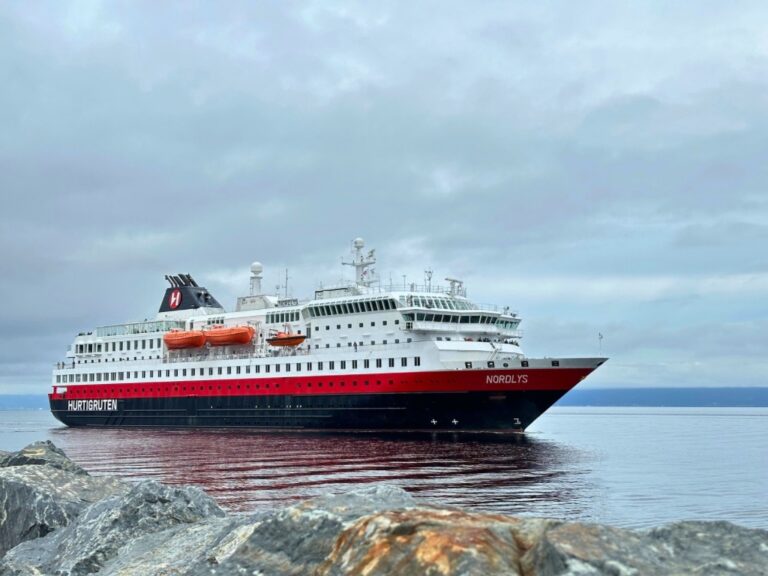
That is the appeal for many people. You are not travelling to escape the destination. You are travelling through it.
Coastal Ships Vs. Traditional Cruise Ships
The ships used by Hurtigruten and Havila are comfortable, but they are not resort-style cruise ships.
On a traditional cruise, the ship is often a destination in itself. You might spend sea days moving between restaurants, bars, pools, theatre shows, trivia sessions, and entertainment venues. On Norway’s coastal voyage, the focus is outside.
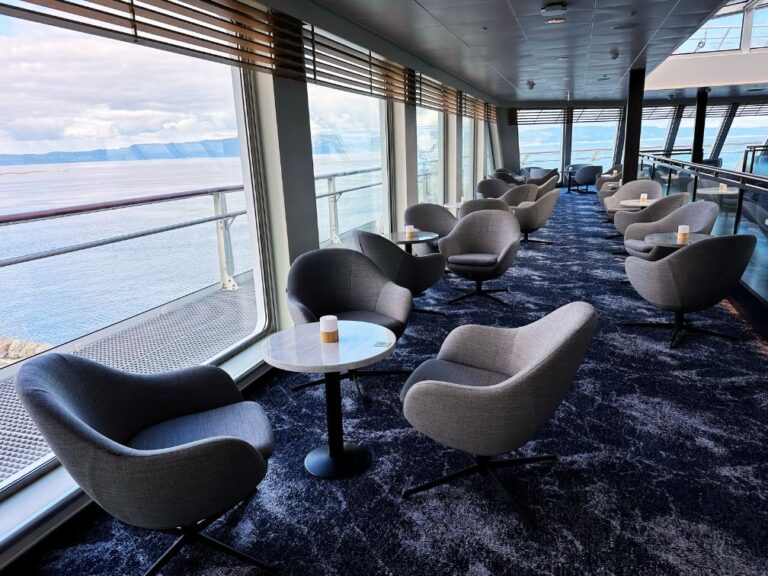
Passengers gather in panoramic lounges, stand on deck as the ship threads through narrow channels, and watch as small ports appear and disappear from view. The scenery changes constantly, from open sea and skerries to mountain-backed towns, fishing villages, Arctic landscapes, and sheltered fjords.
This makes the journey especially appealing to travellers who enjoy landscapes, photography, slow travel, and the feeling of watching everyday coastal life unfold.
It may be less appealing if you want late-night entertainment, a wide choice of bars, big production shows, or long days in port. The coastal voyage is not a floating resort. It is a front-row seat to the Norwegian coast.
The Many Port Calls
The biggest difference between the coastal voyage and a traditional cruise is the number of port calls.
Most cruise ships visit one port per day, if that. The Norwegian coastal ships call at dozens of ports between Bergen and Kirkenes. Some stops last several hours, while others are as short as 15 or 30 minutes.
These short calls can surprise first-time passengers. The ship may arrive in the middle of the night, open its doors briefly for cargo and local passengers, then continue north or south before most tourists have finished their coffee.
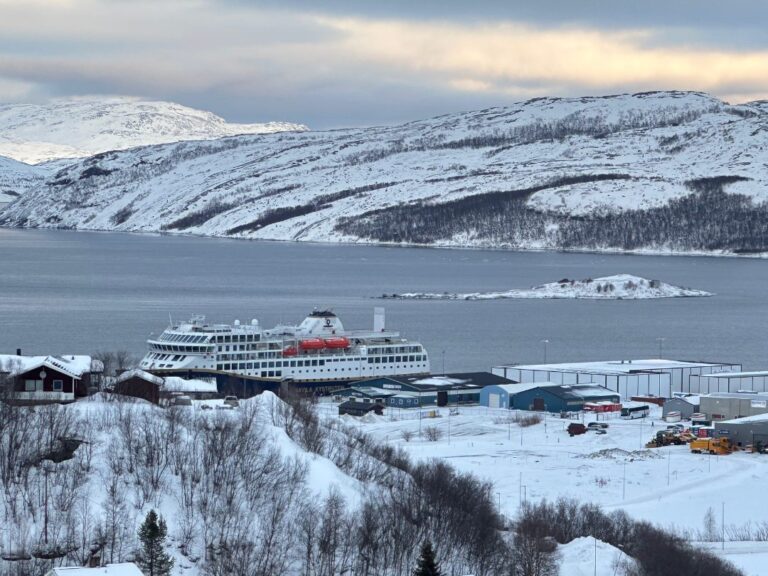
But this is part of the character of the route. These are not artificial cruise calls created solely for tourism. They are stops on a working coastal service.
🚢 Hurtigruten Bookings: Check the latest fares and availability on the Norwegian coastal route (ad): Hurtigruten Norway – Hurtigruten US/CA – Hurtigruten UK
Larger ports such as Ålesund, Trondheim, Bodø, Tromsø, and Kirkenes usually allow more time ashore. In some places, there is enough time to join an organised excursion. In others, you may simply have time for a short walk, a museum visit, or a coffee before returning to the ship.
This can be a double-edged sword.
On the one hand, the frequent port calls keep the ships close to the coast, which is why the scenery is so consistently impressive. On the other hand, if you enjoy spending long days exploring independently on land, the coastal voyage may feel restrictive.
The best way to enjoy it is to accept the rhythm of the route rather than fight it. Sometimes the highlight is not getting off the ship at all, but standing on deck as it glides into a small harbour in Lofoten or passes a mountain-backed village somewhere in northern Norway.
Dining On Board
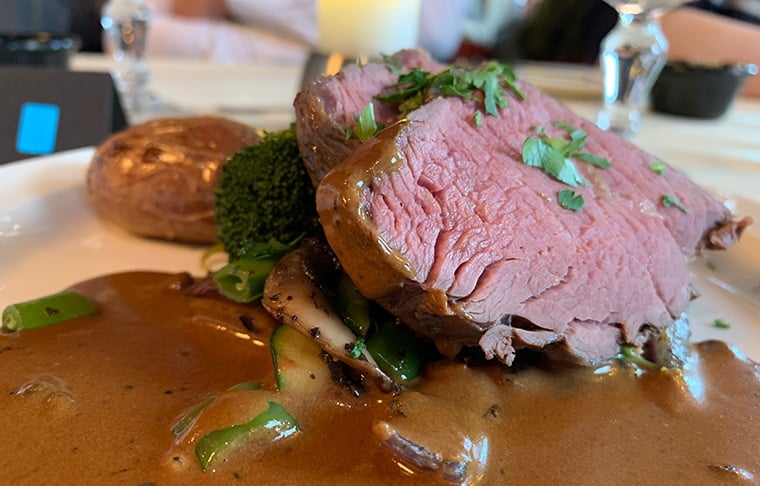
Food is one area where the coastal voyage feels more like a cruise, although with a distinctly Norwegian flavour.
Both Hurtigruten and Havila place a strong emphasis on local and seasonal ingredients. Fish and seafood naturally feature heavily, but menus also include meat, vegetables, dairy products, berries, and other ingredients sourced from communities along the coast.
Hurtigruten’s dining setup varies slightly by ship, but the traditional format includes a main restaurant with breakfast and lunch buffets and a served dinner. Some ships also offer additional dining options at extra cost.
Havila takes a slightly different approach, with table service rather than large buffets. Its small-dish concept is one of the things that stands out. Instead of loading a plate at a buffet, you can order several smaller dishes, which makes it easier to adjust your meal to your appetite and reduce food waste.
On my Havila sailing, I found this approach worked very well. It felt relaxed, modern, and flexible, while still giving a strong sense of Norwegian coastal food culture.
Alcohol is expensive on both lines, as it is throughout Norway. Many passengers choose not to drink much during the voyage, especially on longer itineraries. This is not a party cruise, and the onboard atmosphere reflects that.
Hurtigruten Or Havila?
For many travellers, the biggest question is whether to choose Hurtigruten or Havila.
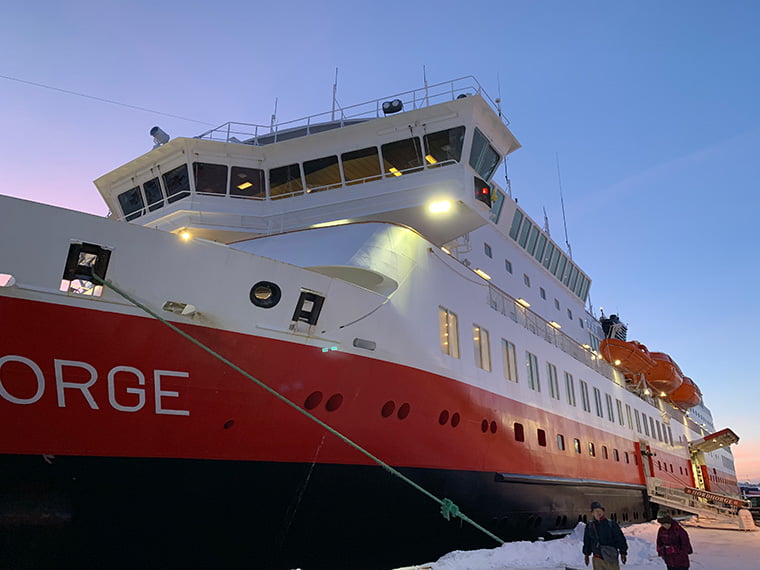
Hurtigruten has the history. Its name is closely tied to the coastal route, and for many people, taking “the Hurtigruten” remains shorthand for sailing the Norwegian coast. The company has decades of experience, a strong brand, and a fleet of familiar ships.
Havila is the newer alternative. Its ships are more modern, with a contemporary Nordic design and a strong focus on lower-emission technology. The company operates four ships on the coastal route: Havila Capella, Havila Castor, Havila Polaris, and Havila Pollux.
For passengers, the overall experience is similar in many ways. Both operators sail the same coastal route. Both call at the same ports. Both offer cabins, meals, excursions, and plenty of opportunities to enjoy the scenery.
The differences are more about ship style, onboard atmosphere, dining format, and personal preference.
If you like the idea of travelling with the historic name on the route, Hurtigruten will appeal. If you prefer newer ships and a more modern design, Havila is well worth considering.
🚢 Hurtigruten Bookings: Check the latest fares and availability on the Norwegian coastal route (ad): Hurtigruten Norway – Hurtigruten US/CA – Hurtigruten UK
Environmental claims are also part of the picture, although they should be treated carefully. Havila’s ships are built with battery-assisted technology and can sail quietly on battery power for limited periods. Hurtigruten, meanwhile, has been upgrading parts of its fleet and working on longer-term sustainability projects.
Neither option makes the journey impact-free. But both operators know that sailing one of the world’s most famous coastlines brings responsibility, and sustainability is now a central part of how the route is marketed and developed.
Ultimately, your decision may come down to dates, availability, price, cabin choice, and the specific ship operating your preferred departure.
Hurtigruten Coastal Express vs. Signature Voyages
Another source of confusion is Hurtigruten’s wider range of Norwegian coastal itineraries.
The classic Coastal Express is the working route between Bergen and Kirkenes, but Hurtigruten also offers more cruise-like itineraries along the Norwegian coast. These are often marketed separately from the classic Coastal Express and typically spend longer in fewer ports.
The Svalbard Line is a summer itinerary from Bergen to Svalbard and back, sailing under the midnight sun and crossing to the Arctic archipelago. The North Cape Line is a winter itinerary from Oslo to northern Norway, focused on the Arctic winter, longer port stays, and the possibility of seeing the northern lights.
On top of these, Hurtigruten has announced a new range of special voyages for 2027-28.
These itineraries may suit travellers who like the idea of the Norwegian coast but want something closer to a conventional cruise experience, with fewer port calls and more time ashore in selected places.
They are not the same as the classic coastal route, so it is important to understand what you are booking.
There is also HX, formerly Hurtigruten Expeditions, which operates expedition cruises to destinations including Svalbard, Greenland, Iceland, Antarctica, and other remote regions. These are different again, with a stronger focus on expedition-style travel rather than the scheduled Norwegian coastal service.
In short, there are three broad categories to understand: the classic Coastal Express, Hurtigruten’s more cruise-like Norwegian coastal itineraries, and expedition cruises from HX and other operators.
Highlights Along The Coastal Route
One of the pleasures of the coastal voyage is that there is no single highlight. The route builds gradually, with changing landscapes, repeated port calls, and small moments that stay with you.
Ålesund is one of the most attractive towns on the route, known for its Art Nouveau architecture and island setting. Trondheim offers history, cafes, riverside warehouses, and Nidaros Cathedral within reach of the ship. Tromsø is a major Arctic city with museums, restaurants, and a lively atmosphere.
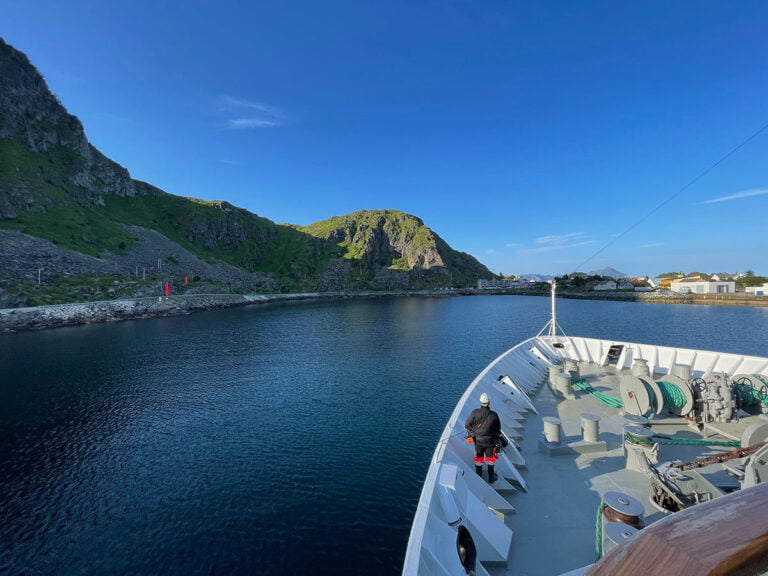
Bodø and Svolvær are shorter calls on some schedules, but both are memorable places to see from the water. In Lofoten, even a brief stop can feel special because of the dramatic mountains, fishing villages, and ever-changing light.
Some of the smallest ports are worth being out on deck for, even if you do not go ashore. A short call at a quiet harbour in northern Norway can be just as memorable as a longer stop in a city.
The route also includes stretches of sailing that are highlights in themselves. Depending on the season and schedule, this can include narrow channels, open sea crossings, Arctic landscapes, island chains, and detours into scenic fjords.
This is why the coastal voyage rewards patience. It is not just about ticking off ports. It is about watching Norway’s coastline unfold day by day.
When To Take A Coastal Voyage
Unlike many cruise itineraries in Norway, the coastal route operates year-round. That makes the choice of season one of the biggest decisions.
Summer is the most popular time. The days are long, the weather is generally milder, and north of the Arctic Circle you can experience the midnight sun. For many first-time visitors, summer offers the easiest and most visually rewarding introduction to the coast.
But summer also brings higher prices and more demand. Ships can be busier, and popular excursions may sell out.
Winter offers a completely different experience. The coast feels quieter and more atmospheric, especially in northern Norway. The main draw is the possibility of seeing the northern lights. This is never guaranteed, but spending several nights along the Arctic coast gives you a reasonable chance if the skies are clear.
The trade-off is darkness. In December and January, you will see far less of the landscape in daylight, especially in the north. Weather can also affect both the sailing experience and shore excursions.
For me, the shoulder seasons are especially appealing.
Spring brings returning light, snow still visible on the mountains, and a sense of the coast waking up after winter. Autumn can be beautiful, with golden landscapes, changing weather, and a quieter feel than peak summer. Some autumn sailings also include scenic fjord detours, which can be a major bonus.
There is no single best time to go. It depends on what you want most: midnight sun, northern lights, lower fares, quieter ships, snowy landscapes, or long daylight hours.
Who Will Love The Coastal Voyage?
The Norwegian coastal voyage is ideal for travellers who enjoy slow travel, scenery, photography, local culture, and the feeling of moving through a real working landscape.
It is a good choice if you are curious about coastal Norway beyond the famous fjords. The route introduces you to towns, islands, fishing communities, and Arctic landscapes that many visitors never see.
It also suits people who are happy to make their own entertainment. Reading in a lounge, watching the coastline, chatting with fellow passengers, joining the occasional excursion, and stepping ashore for short walks are all part of the experience.
The voyage is also a good option if you want to see a lot of Norway without packing and unpacking every day. Your cabin travels with you, while the coast comes to you.
Who Might Not Enjoy It?
This is not the best choice for everyone.
If you want big-ship entertainment, multiple restaurants, nightlife, pools, shows, shopping, and long port days, you may prefer a traditional cruise. If you want to spend a full day hiking, sightseeing, or exploring independently in each destination, the short port calls may frustrate you.
The coastal voyage can also feel quiet, especially in the evenings. Some passengers love this. Others may find it too subdued.
Weather is another factor. The Norwegian coast is beautiful, but it is also exposed. Rough seas are possible, especially on open stretches. Excursions can be changed or cancelled, and views can disappear behind low cloud or rain.
The key is to understand what the voyage is, and what it is not.
It is not a conventional cruise with Norway as a backdrop. It is a journey through coastal Norway, shaped by the rhythm of the route, the weather, the ports, and the sea.
Is Norway’s Coastal Voyage Worth It?
For the right traveller, absolutely.
🚢 Hurtigruten Bookings: Check the latest fares and availability on the Norwegian coastal route (ad): Hurtigruten Norway – Hurtigruten US/CA – Hurtigruten UK
The coastal voyage remains one of the most distinctive ways to experience Norway. It combines transport, tradition, scenery, food, and coastal culture in a way that no ordinary cruise quite matches.
But it is important to book with the right expectations.
Choose the classic Coastal Express if you want the traditional working route, frequent port calls, and the feeling of travelling as part of Norway’s coastal life. Consider Havila if you are drawn to newer ships and a more modern onboard style.
Look at Hurtigruten’s Signature voyages if you want something more cruise-like, with longer stays in fewer ports. Consider HX or another expedition operator if your real interest is Svalbard, Greenland, Iceland, or polar travel.
The Norwegian coast is the star of all these journeys, but the experience can vary a lot depending on which product you choose.
For me, the appeal of the classic coastal voyage is simple. It shows you Norway not as a series of famous viewpoints, but as a living coastline. Ships arrive and depart. Local passengers come and go. Small towns appear in the darkness. Mountains rise behind fishing harbours. Weather changes everything.
It is slow, sometimes strange, occasionally inconvenient, and often beautiful. That is exactly why it is worth considering.


David, I took the Hurtsgurden 12 day trip 4 years ago and took
the expeditions offered. There were three gentleman who conducted
these. All were very knowledgeable. I was happy when I heard
Norweigen spoken even though I didn’t understand. Made me feel
I was away. I never got use to the beds were made. The duvets
are certainly not between the sheets I was use to. Cabin was not the
Cunard experience but I was expecting or wanting this. Have a successful new year. Hoping for some peace on earth. David Bray
Sag Harbor, NY
David,
Thaink you for the wonderful article. Can you suggest a cruise from Bergen that encompasses the Lofoten islands?
I understand this might be a one way or possibly two separate trips.
I met a deck officer on the Hurtigurten and she stated that the best time was November.
Experiencing the northern lights would also be a priority, thank you.
Regards,
Chuck
Hi David!
It would be wonderful if you compiled an informational story on and about the Same people and their plight as a future report- might it be possible?
Your little newsletter is absolutely wonderful to read, THANK YOU.
I have sailed on the Hurtigruten Polarlys, Bergen to Bergen, in April and then on the Fram for Iceland and Scotland in the fall. These voyages are superb. The crews were attentive, my fellow passengers were a delight. Most of them were very experienced travelers from many countries. Dining is wonderful. Both voyages took me to places I would otherwise never see.
I hope Havila is up to the Hurtigruten standard. The concept of competition is interesting. Are there enough travelers for both companies?
As it says in the article, there are no additional departures. The existing departures are now split between the two companies.
Hello,
Any truth in the rumours of the reinstatement of The Port of Tyne – Norway scheduled car ferry service? If the Government was serious about levelling-up northern England, this should be a priority.
agree . this route was my first introduction to norway, a coach trip from north w ales to catch ferry at newcastle and on to stavanger the ferry was DFDS I think and was excellent .i think. then coach all the all the way up tp Bodo and back, staying at various places on the way . a taster leading to going again to norway but using c ruise ships over a few years . Going up to svalbard twice and one year up to ny Alesund and Magdalenafjord also. That was superb but only expedition ships can do this now .
Of course ,taking the identical trip on Hurtigruten and Havila and then comparing would be the most informative article along with pricing. We are scheduled to travel with Havila in May ’23 basing our decision largely on price and environmental considerations. Hoping for the best. Excited to see how Norway has changed after spending a year attending the university in Bergen some 50 years ago as well as connecting with old friends.
Unfortunately, due to ageing, I will never visit Norway. My ancestors originated in Norway. At one point I saw a place called DOBYN and have been unable to
locate it again. I look forward to receiving your publication, hoping some day
it will mention the place DOBYN. Keep up the good work!
Thanks so much for this! We’re doing research for a summer roadtrip that will include a few weeks in Norway and understanding the differences between the two lines is really helpful. I think we’ll drive up to Svolvaer and take the one way boat back down!
My wife and I are beginning the planning stage for a holiday in Europe for late November through December.
The plan is to use train travel to three or four Christmas Markets spending two nights at each stop.
Following that we would like to fly to Bergen; spend two nights then take one of the ferry company’s north and the other south. We think that would give us a great comparison.
Any suggestions?
Just bear in mind you’d need at least one night, maybe two, in Kirkenes (if doing the full route) if you want to experience the two different companies, as they depart on different days.
Hi David,
It’s me again with some more about me.
When I was a young one, I sailed one summer on the old (and now moth balled) ‘Finnmarken’ ship, Bergen to Kirkenes.
The stuart was my grand uncle and that’s how I got the job.
The work was very difficult for some one who had not done that before but a grand learning curve for some one who had not been in a job like that before!
My country is SOOO beautiful!!!!!!!!!!!
Hi David
I find your articles very informative & I enjoy reading them. My husband & I are planning a trip in Oct-Nov
& we would want to experience the Havila cruise from Bergen to Tromso only. I know Hurtigruten has a 5-day tour from Bergen to Tromso but not sure about Havila. Do we have to pre-book our meals when booking the tour package with Havila? Or we pay onboard when ordering/purchasing the meals? Thanks
Hi, the Hurtigruten and Havila routes are identical. They provide exactly the same daily service, just on different days. When you book a longer tour, you’ll see the option to add meals (although I think Havila includes them automatically)
Thank you for this information. I went to Norway in 2023 and visited via Train and hikes. Using a bus here and there too.
Beautiful country- and Something about Bergen and the port made me want to get on a ship and head up further north! We had planned to fly to Trondheim but there was a fishing conference that exact same weekend and every hotel was full . Instead we flew over to Stockholm.
But while in Bergen which is where our Norwegian adventure ended .. one of the Hurtigruten ships was there and I can’t remember the name. I love the idea of all of it! I love the legacy of the route! I love that it is functional not just beautiful.
It’s a very far trip from the western United States but I’m planning to go in 2025 or 2026. Bergen to Kirkenes. Or possibly fly into Svalbard and depart from there. Or fly to kirkenes..etc. basically it seems like you can custom make any itinerary that you want because those ships stop in so many ports! Seems If you can meet a ship you can pretty much get on it.
companies have very good websites and I have also found more information on YouTube from a travel representative from Hurtigruten.
Thank you for the newsletter…