
Aside from the name, taking a cruise with Norwegian Cruise Line is, in practice, a largely American experience. Yet the word “Norwegian” did not appear by accident. Here's the intriguing story behind the name.
Behind the NCL branding lies a genuine, if often misunderstood, connection to Norway’s maritime past.
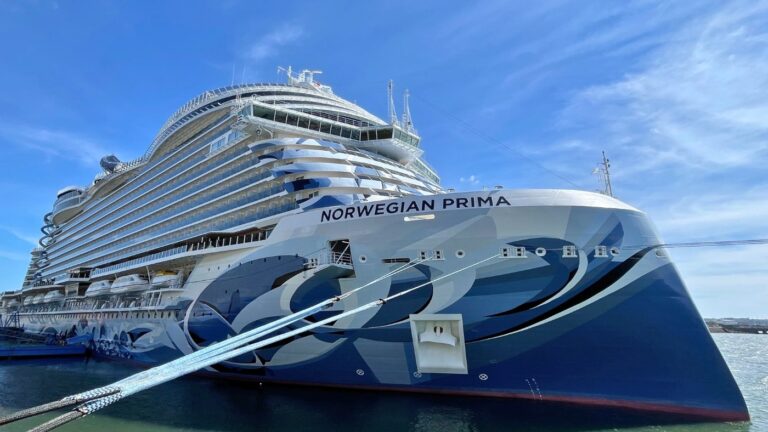
With 18 ships currently in service and several more on order, Norwegian Cruise Line (NCL) ranks among the world’s largest cruise operators. Only a handful of competitors carry more passengers globally.
Its ships sail from ports around the world, but its onboard culture, marketing, and core customer base are unmistakably American.
I was reminded of this contrast last year when I joined the maiden voyage of Norwegian Prima, one of the newest and most ambitious ships afloat. It was my first time sailing on a vessel of that scale.
While I have clear reservations about the environmental impact of modern cruising, the experience itself was undeniably impressive. Still, one question kept returning: how Norwegian is Norwegian Cruise Line, really?
A Scandinavian Name for an American Experience
There are subtle Nordic touches scattered across NCL ships. Some staterooms lean toward clean lines and muted colours, and a handful of lounges draw on contemporary Scandinavian design cues.
Beyond that, however, the experience feels firmly rooted in North American cruise culture.
Norwegian Cruise Line has long positioned itself as relaxed and informal. There are no fixed dining times, dress codes are minimal, and the emphasis is squarely on flexibility and entertainment.
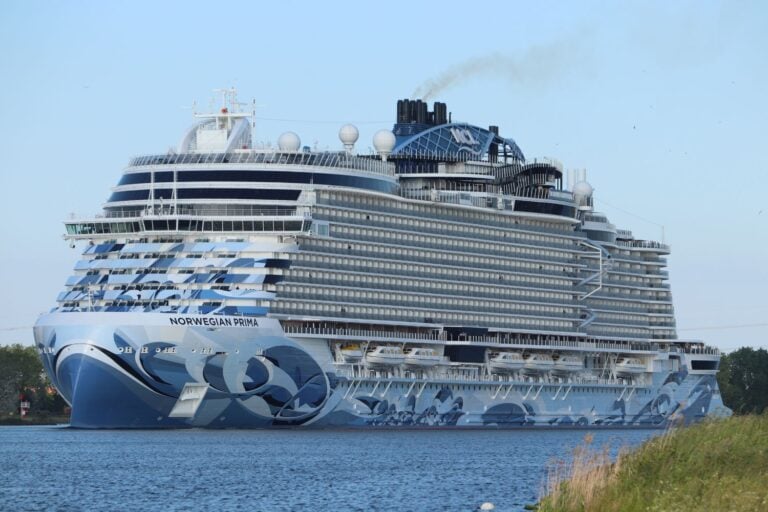
Compared to many European cruise lines, the atmosphere is louder, busier, and more casual. This is not a criticism so much as a clear stylistic choice, one that has proved enormously popular with American passengers.
Given that reality, the company’s name can seem puzzling. Why would a US-focused cruise line brand itself so explicitly with a Scandinavian identity?
Does Norway own NCL?
The short answer is no. Norwegian Cruise Line is not owned by Norway, nor has it been for decades. Today, the company is headquartered in Miami and operates as part of Norwegian Cruise Line Holdings, alongside Oceania Cruises and Regent Seven Seas Cruises.
That said, the “Norwegian” name is not just a marketing invention. The company’s origins are genuinely tied to Norway’s shipping industry, and those roots still echo through its history.
The Norwegian Origins of NCL
Norwegian Cruise Line began life in 1966 as Norwegian Caribbean Line, the result of a partnership between two very different figures.
One was Ted Arison, who would later go on to found Carnival Cruise Line. The other was Knut Kloster, head of Klosters Rederi A/S, a well-established Norwegian shipping company.
The line’s first ship, Sunward, sailed between Europe and the then-emerging cruise hub of Miami, helping to establish the Caribbean cruise market as we know it today. Although Sunward left the fleet in the mid-1970s, the company continued to expand, adding ships and refining its identity.
One of the most symbolic moments in NCL’s history came in 1979, when the former transatlantic liner SS France was purchased, dramatically rebuilt, and relaunched as Norway.
For years, the ship was one of the most famous cruise liners in the world and did more than any other vessel to cement the brand’s name in the public imagination.
The following decades brought both growth and consolidation. The 1980s were relatively quiet, though notable for the arrival of Seaward, later known as Norwegian Sea, the company’s first purpose-built new ship.
The 1990s saw renewed expansion, followed by major ownership changes in the 2000s. Genting Hong Kong acquired the line in 2000, a period that saw the launch of “Freestyle Cruising,” a concept that reshaped onboard life and became central to NCL’s brand.
Further investment followed, including major stakes by private equity firms and, in 2014, the acquisition of Prestige Cruises International, bringing both Oceania Cruises and Regent Seven Seas into the wider NCL family.
Norwegian Officers on NCL
Despite its American focus, Norwegian Cruise Line still maintains tangible links to Norway through its people.
Podcast Interview: A Cruise Ship Captain on Life at Sea
During my sailing on Norwegian Prima, I was surprised to discover that the captain was Norwegian, and a brief conversation confirmed that this is far from unusual.
Many of NCL’s captains and senior officers come from Norway and other Scandinavian countries. This reflects Norway’s long maritime tradition and its continued role as a training ground for seafarers who go on to command ships around the world.
In that sense, the “Norwegian” identity survives not in ownership or branding strategy, but on the bridge itself.
What’s It Like Cruising With Norwegian Cruise Line?
My sailing on Norwegian Prima was my first experience of a major, brand-new cruise ship, and it challenged many of my preconceptions about what cruising is supposed to be like.

Rather than feeling regimented or formal, life on board felt surprisingly flexible. Dining was a good example of this. Instead of fixed times and assigned tables, meals happened when I wanted them to.
The food itself was more interesting and varied than I expected, with a mix of casual options and more refined venues that went well beyond the traditional “cruise ship buffet” stereotype.
Entertainment followed the same pattern. There was plenty happening, but it never felt compulsory. Big theatre shows, live music, quieter bars, and open deck spaces all coexisted, allowing you to dip in and out depending on your mood. At no point did it feel like there was a single “right” way to experience the ship.
That sense of choice was perhaps the biggest surprise. I had always assumed cruising meant following a fairly rigid structure, but on Norwegian Prima everything felt very much up to you.
Want a full evening of shows and late-night drinks? Easy. Prefer a quiet night, good food, and an early retreat to your cabin? Equally possible.
While this style of cruising is distinctly American in tone, it helps explain Norwegian Cruise Line’s popularity. The emphasis on flexibility, informality, and personal choice makes modern cruising feel far more approachable than its old-fashioned reputation suggests.
So, How Norwegian Is It?
Norwegian Cruise Line today is not a Norwegian company in the national sense, and cruising with NCL does not offer a particularly Norwegian cultural experience.
However, the name reflects a genuine historical connection, rooted in Norway’s shipping industry and sustained through generations of Scandinavian officers.
It may be an American cruise line in spirit, but its Norwegian heritage is real, if subtle, and still part of the story sailing quietly beneath the surface.