
From unattended farm stalls to strollers left outside cafés, Norway is often described as a “high-trust society.” But that phrase is thrown around so often it risks becoming meaningless.
What does it actually mean in practice? And just as importantly, who does it apply to?

The reality is more complex than the cliché. Trust in Norway is not just a cultural trait. It is something built into systems, reinforced by everyday experiences, and shaped by expectations about how people should behave.
It is also uneven, occasionally fragile, and experienced differently depending on who you are.
A Small Moment That Explains A Bigger Idea
You don’t need statistics to notice that Norway operates differently. You see it in small things like a roadside stall selling strawberries with no staff. A sign with a mobile payment number indicates that yes, you really do just take what you want and pay.
Parents leaving prams or strollers outside a café while babies sleep is another classic Norway moment, as is people placing bags on a table to reserve a seat without worrying too much about them disappearing.
None of this means theft doesn’t exist. It does. But the societal expectation is different.
In many places, systems are built to prevent dishonesty. In Norway, many systems are built on the assumption that most people will behave honestly most of the time and it's that expectation shapes everything else.
Trust In Norway Is Not Just Cultural
It’s tempting to explain all this by saying Norwegians simply “trust each other more.” But that only tells part of the story.
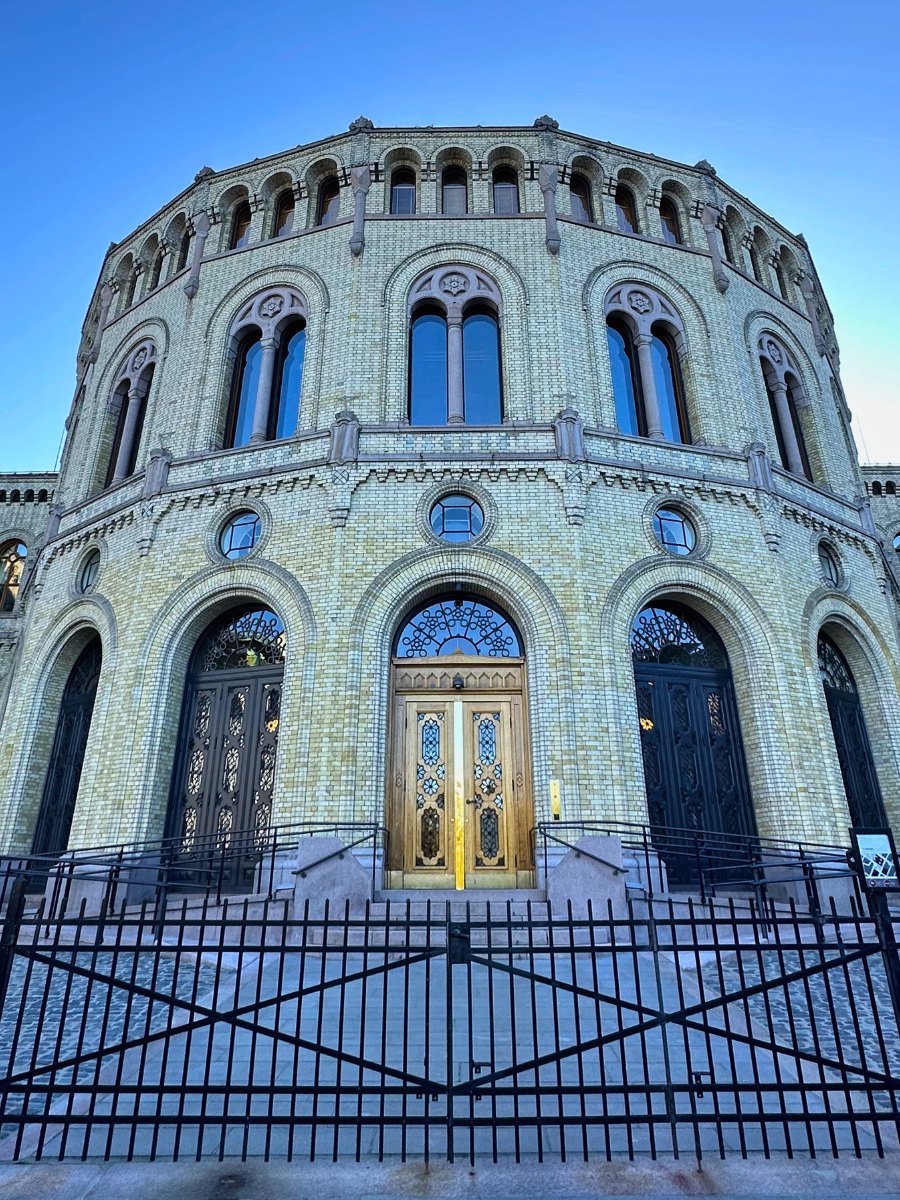
Research from organisations like the OECD shows that trust in Norway is closely tied to how well public institutions function. People tend to trust the system because, in their experience, it usually works.
That includes:
- Public services that are generally reliable
- Low perceived levels of corruption
- A welfare system that provides support in times of need
- Administrative processes that are relatively straightforward
In other words, trust is reinforced through everyday interactions such as filing taxes, visiting a doctor, and dealing with local authorities.
These experiences build a sense that the system is predictable and fair. It’s less about blind faith and more about repeated confirmation.
The Role Of Transparency
One of the most unusual features of Norwegian society is its approach to transparency.
For many years, anyone could look up basic tax information about other residents, including income and wealth. Today, access is more controlled, but the principle of open access remains.
This kind of openness would feel intrusive in many countries. In Norway, it has long been seen as a way to promote fairness and accountability.
If people believe that others are paying their share, they are more likely to accept the system themselves.
That doesn’t mean everyone likes it. There has been ongoing debate about privacy and misuse, but the existence of the system says something important about how Norwegian society balances openness and trust.
A System Designed To Reduce Friction
Another key factor is how the Norwegian state presents itself in everyday life.
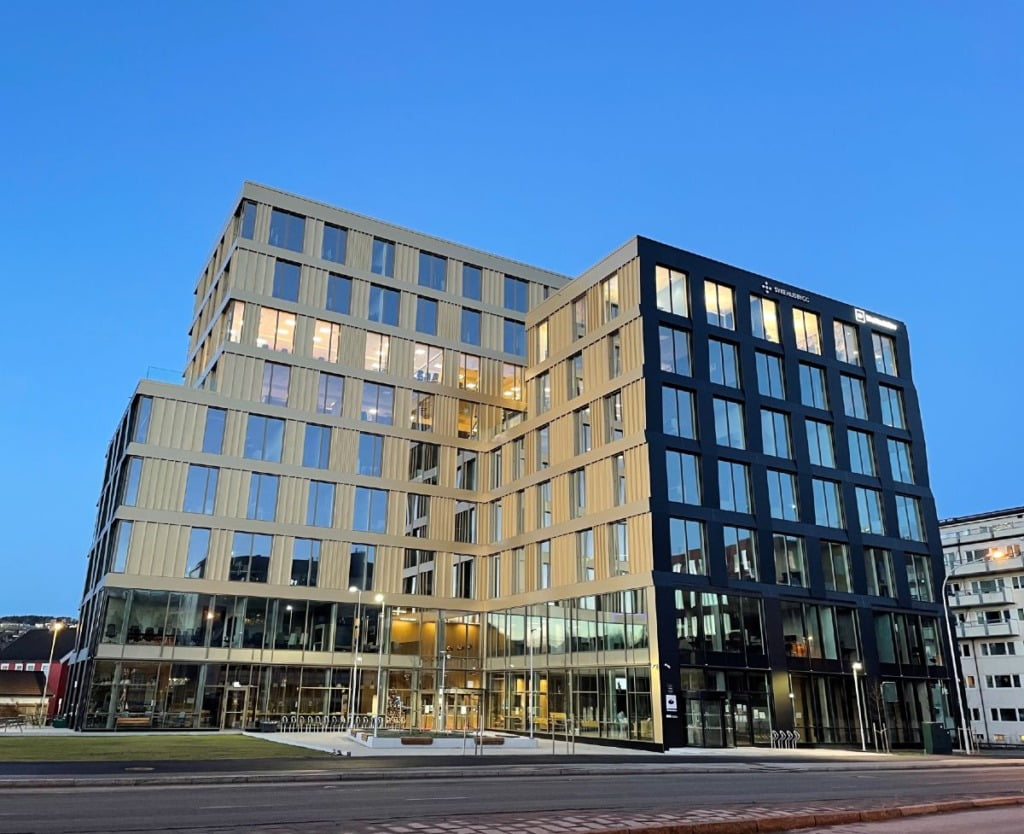
Many interactions with government are digital and integrated. Tax returns often arrive pre-filled. Health appointments, prescriptions, and official forms are handled through centralised platforms. The effect is subtle but important.
When systems are easy to use and generally work as expected, people are less likely to feel frustrated, suspicious, or adversarial. The relationship between citizen and state becomes more cooperative than confrontational.
That doesn’t mean the system is simple. It can be bureaucratic and rigid. But for many people, it is at least consistent, and consistency matters more than perfection.
The Welfare State And A Sense Of Security
Norway’s welfare system is often cited as a key reason for high trust.
There is a widespread expectation that if something goes wrong, there is support available in the form of sickness cover, unemployment benefits and parental leave, among others. The details can be complex, but the underlying idea creates a baseline level of security.
When people are less worried about worst-case scenarios, they are often less defensive in everyday life. That can make cooperation easier and reduce the sense that every interaction is a zero-sum game.
But this is also where the story becomes more complicated.
Trust Is Not Experienced Equally
While overall trust levels in Norway are high, they are not uniform. Research shows that immigrants and minorities often report lower levels of trust in both institutions and other people.
Experiences of discrimination, exclusion, or simply not understanding how the system works can erode confidence.
For someone who grew up in Norway, the system may feel intuitive. For someone arriving from abroad, it can feel opaque and difficult to navigate.
There are also structural barriers:
- Language challenges
- Complex bureaucracy, especially around work and residency
- Different expectations around communication and authority
Even when services function well, the experience of using them can vary significantly.
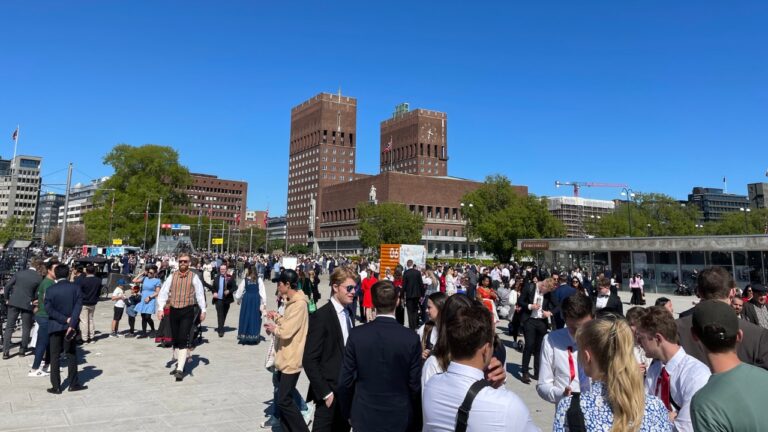
This is an important counterpoint to the “high-trust society” narrative. Trust is not just about how systems are designed. It is also about how accessible and fair they feel to different groups.
Social Expectations And Unwritten Rules
Trust in Norway is not only institutional. It is also social. There are strong, often unspoken expectations about behaviour:
- Don’t take advantage of the system
- Don’t draw unnecessary attention to yourself
- Follow the rules, even when no one is watching
This can reinforce trust. If most people believe others will follow the rules, they are more likely to do the same. But it can also create pressure.
For newcomers, these unwritten rules can be difficult to interpret. What is considered normal behaviour is not always explained. It is simply expected.
That can lead to misunderstandings and a feeling of being on the outside of a system that otherwise appears smooth and predictable.
When Trust Is Tested
Despite its reputation, Norway is not immune to declining trust. Recent data suggests that confidence in government has fluctuated, particularly in response to political controversies and broader global uncertainty.
This highlights an important point. Trust is not fixed. It is maintained through performance, transparency, and perceived fairness.
When people feel that decisions are unclear, inconsistent, or disconnected from their lives, trust can erode. Even in Norway.
So why do Norwegians trust the system and each other? The simplest answer is also the most useful. Because, for many people, the system works well enough, often enough, to justify that trust.
But that trust is not universal. It depends on experience, background, and perspective. It is reinforced by social norms, but also constrained by them. It is supported by strong institutions, but vulnerable when those institutions are questioned.
And like any system, it only works as long as enough people believe in it.