
From northern lights tours and dog sledding to Sámi cultural experiences and Arctic fjord cruises, Tromsø offers an extraordinary range of winter adventures.
Winter tourism in Tromsø has boomed in recent years, transforming this small Arctic city into one of Norway’s most popular winter destinations.
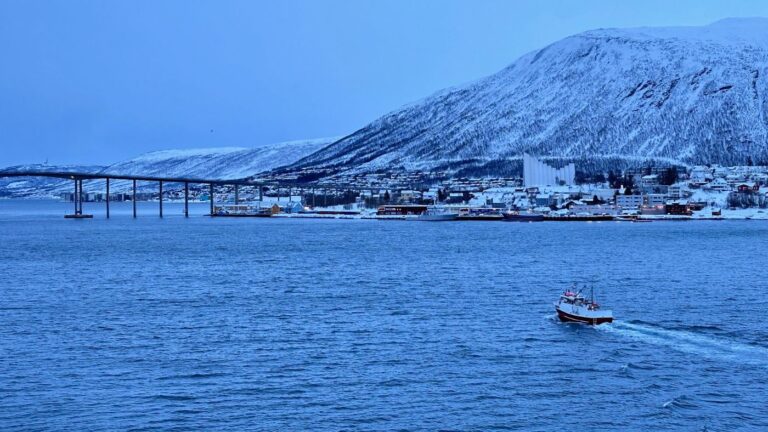
It’s easy to understand why. Located approximately 350 kilometres north of the Arctic Circle, Tromsø offers visitors the chance to experience the northern lights and perhaps encounter whales in the surrounding fjords.
But there’s much more to a winter trip than ticking off these headline experiences.
There are so many things to do in Tromsø, from fascinating museums and cosy cafés to floating saunas and spectacular mountain viewpoints. Meanwhile, the surrounding region provides countless opportunities to explore the Arctic wilderness.
Whether you’re visiting during the atmospheric polar night or the brighter, snow-filled days of March, here are ten of the best winter activities in Tromsø to consider when planning your trip.
Before we start, a quick affiliate disclosure: This article contains affiliate links. If you book a tour or experience through one of these links, we may receive a small commission at no extra cost to you. This helps support Life in Norway and the creation of free travel guides.
1. Chase the Northern Lights
For many international visitors, seeing the northern lights is the main reason to visit Tromsø in winter.
The city sits beneath the auroral oval, a region where displays of the aurora borealis occur frequently. On a clear night, it’s sometimes possible to see the colourful lights dancing above the city itself.
However, Tromsø’s coastal climate means that clouds can be a frustrating obstacle. That’s why organised northern lights tours have become such a popular part of the city’s winter tourism industry.
Rather than simply heading to a fixed viewpoint and hoping for the best, dedicated northern lights chases use weather forecasts and local knowledge to find areas with clearer skies.
Depending on conditions, this might involve driving to Kvaløya or inland towards the Finnish border. Some excursions last several hours and cover considerable distances.
There are several different types of northern lights tours available. Large bus tours are often the most economical option, while small-group minibus experiences offer a more personal atmosphere. Photography-focused tours can be particularly appealing if you’re hoping to capture the aurora on camera.
Many tours provide warm drinks, thermal clothing or help with photography. Some also include professional photographs of guests beneath the lights.
Of course, the northern lights are a natural phenomenon, and sightings can never be guaranteed. Even the best guide cannot control the weather.
An important point: Don’t assume you must travel to Northern Norway to catch a glimpse of aurora. The entire region of Northern Norway is open to you!
My advice: If seeing the northern lights is a priority, book a tour early in your stay. That gives you the flexibility to try again on another evening if conditions are poor.
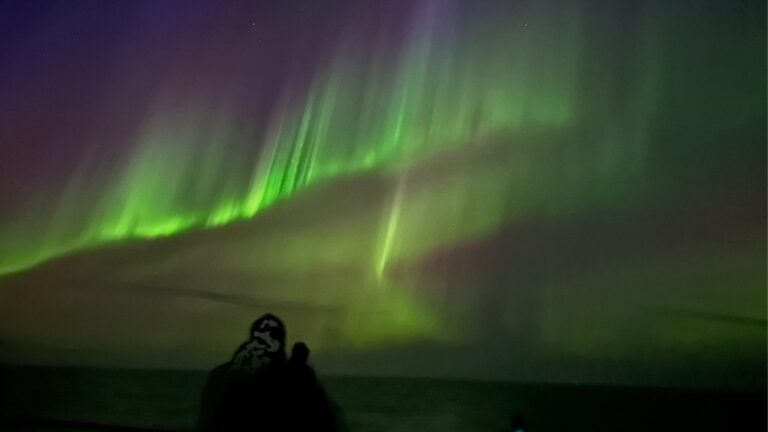
The northern lights season in Tromsø generally runs from late August until early April, although the darkest winter months are especially popular.
2. Discover Sámi Culture and Meet Reindeer
A winter visit to Tromsø offers an excellent opportunity to learn about the Indigenous Sámi people of Northern Europe and their longstanding relationship with reindeer.
Several Sámi-led experiences take visitors from the city into the surrounding countryside, where reindeer herding families share aspects of their culture, traditions and everyday lives.
A typical visit includes the opportunity to meet and feed reindeer, often followed by time inside a traditional lavvu, a tent historically used by Sámi reindeer herders.
Guests may hear stories about reindeer husbandry, Sámi history and cultural traditions. Some experiences also include demonstrations of joik, a traditional form of Sámi vocal expression.
Food is another important part of many visits. A traditional meal of bidos, a warming reindeer stew usually made with vegetables, is commonly served around the fire.
Some tours also offer reindeer sledding. Unlike the faster-paced experience of dog sledding, this is a gentle journey through the winter landscape.
It’s worth checking the details carefully before booking, as reindeer sledding is not included in every cultural experience. Where it is offered, the ride may last only 10–30 minutes.
For visitors interested in understanding Northern Norway rather than simply admiring its scenery, this can be one of the most rewarding experiences available.
Choosing a Sámi-owned or Sámi-led experience helps ensure that visitors hear directly from the people whose culture is being presented.
Daytime and evening excursions are available, with some evening tours offering the additional possibility of seeing the northern lights.
3. Go Dog Sledding Through the Arctic Wilderness
Few experiences capture the excitement of an Arctic winter quite like travelling across snowy terrain behind a team of enthusiastic huskies.
Dog sledding tours have become one of Tromsø’s signature winter activities, with several kennels and adventure companies offering experiences in the surrounding region.
There are two main ways to enjoy the experience. On a self-drive tour, you’ll typically receive instruction on controlling the sled before setting off with a team of dogs. Often, two people share a sled, taking turns driving and sitting as a passenger.
Alternatively, guided passenger experiences allow you to sit back and enjoy the scenery while an experienced musher handles the dogs.
The routes vary considerably. Some pass through forests and valleys, while others venture into more open terrain surrounded by snow-covered mountains.
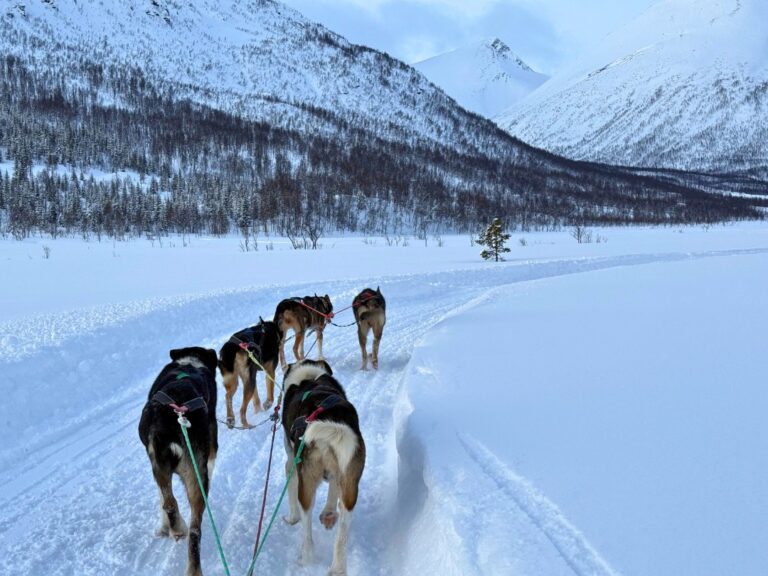
Many tours also include time at the kennels, where visitors can meet the dogs and learn about their training and care.
The enthusiasm of the huskies is often one of the most memorable parts of the day. These working dogs are bred for endurance and are usually eager to get moving.
However, dog sledding is a physical activity, especially when driving your own team. You may need to help the dogs on uphill sections, maintain your balance and follow instructions carefully.
If you’re unsure about the physical demands, a passenger experience may be the better choice.
Snow conditions also matter. Traditional sledding generally takes place from late autumn through spring, although the exact operating season varies.
When choosing a tour, look for operators that explain how their dogs are housed, exercised and cared for throughout the year.
4. Go Whale Watching
Whale watching is one of the most spectacular wildlife experiences available from Tromsø, although it’s important to understand that the season is relatively short.
During the winter months, large numbers of herring gather in the fjords of Northern Norway. Orcas and humpback whales follow these fish, creating opportunities to witness impressive feeding behaviour.
In recent years, the main whale-watching areas have been much farther north than Tromsø itself, particularly around Skjervøy and Kvænangen.
That means a whale-watching excursion from Tromsø is usually a substantial day trip rather than a quick boat ride.
Some operators use large vessels for the entire journey, while others transport guests by bus to Skjervøy before transferring to smaller boats.
There are advantages to both approaches. Larger vessels offer indoor seating, toilets and greater comfort during lengthy journeys. Smaller boats can provide a more intimate experience on the water, although they can also feel more exposed to the Arctic weather.
Seeing a humpback whale surface against a backdrop of snow-covered mountains is an unforgettable sight. Watching a group of orcas hunting together can be equally impressive.
However, these are wild animals, and their movements depend on the location of the herring. Sightings are never guaranteed.
It’s also important to choose operators that follow responsible wildlife-watching practices, giving the animals sufficient space and avoiding unnecessary disturbance.
When should you visit? Whale-watching tours generally operate from November through January, although the precise dates change from year to year.
If whale watching is a major reason for your trip, don’t assume you’ll be able to enjoy the experience throughout February or March. Check the latest seasonal information before making travel arrangements.
5. Try Snowshoeing or Cross-Country Skiing
Not every Arctic adventure needs to involve engines, boats or animals. For a quieter experience of Tromsø’s winter landscape, consider joining a guided snowshoeing or cross-country skiing excursion.
Snowshoeing is particularly suitable for beginners. The equipment distributes your weight across the snow, making it easier to walk through terrain where ordinary winter boots would sink.
Guided outings often explore woodland trails, gentle hills or scenic areas outside the city. They provide an opportunity to enjoy the silence of the Arctic landscape while learning about the local environment.
Cross-country skiing offers a different experience and is deeply embedded in Norwegian winter culture.
Tromsø has an extensive network of prepared ski trails, including routes running through the middle of Tromsøya, the island on which much of the city stands.
The illuminated lysløype trails are popular with locals, who use them for exercise and recreation throughout the snowy months.
If you’ve never tried cross-country skiing before, a guided beginner session is a good introduction. Learning the basic techniques makes the experience considerably more enjoyable.
Equipment rental is also available for those with previous experience who prefer to explore independently.
Areas around Prestvannet and Tromsømarka provide opportunities to enjoy winter nature without travelling far from the city centre.
It’s important, however, to use designated routes appropriately. Snowshoes and ordinary boots should be kept off prepared cross-country ski tracks.
For more adventurous visitors, the mountains surrounding Tromsø are renowned for ski touring. But venturing into mountainous terrain requires appropriate equipment, knowledge of avalanche conditions and, for inexperienced visitors, a qualified guide.

February, March and April are especially appealing months for snow activities, as the returning daylight provides more time to enjoy the scenery.
6. Explore the Fjords by Boat or Try Winter Fishing
The sea has shaped life in Northern Norway for centuries, and a boat excursion offers a different perspective on Tromsø’s spectacular surroundings.
While whale watching understandably attracts much of the attention, ordinary fjord cruises are available over a longer season and can be equally rewarding.
Departing from Tromsø, sightseeing boats travel through coastal waters surrounded by mountains, islands and small communities.
In winter, the scenery takes on a distinctive appearance. Snow-covered peaks rise directly from the water, while the low Arctic light creates striking colours across the landscape.
During the polar night, the sun doesn’t rise above the horizon, but a period of blue twilight around midday can make the scenery particularly atmospheric.
Many sightseeing boats have comfortable indoor lounges with panoramic windows, allowing passengers to enjoy the views without spending the entire journey outside in the cold.
Wildlife sightings are another possibility. Depending on the route and conditions, you may encounter seabirds, white-tailed eagles or seals.
For a more hands-on experience, consider a winter fishing trip. Fishing has long been central to Tromsø’s economy and culture, and organised excursions allow visitors to try their luck in the waters surrounding the city.
Cod is a common target during winter, although other species may also be caught. Some operators provide all the necessary equipment and even prepare the day’s catch as a meal on board.
A fjord cruise or fishing trip is particularly worth considering if you’re visiting outside the main whale-watching season. Just remember that conditions at sea can be unpredictable. Even on a relatively calm day, warm clothing is essential, especially if you plan to spend time on the open deck.
7. Experience the Thrill of Snowmobiling
If you’re looking for something more adventurous, snowmobiling offers an exhilarating way to explore the snowy landscapes of Northern Norway.
Snowmobile excursions advertised from Tromsø generally take place well outside the city, in locations where suitable routes and winter conditions allow guided tours.
One popular destination is Tamokdalen, a mountain valley approximately 90 minutes from Tromsø by road.
After receiving safety instructions and protective equipment, participants follow an experienced guide along designated routes through the winter landscape.
Depending on the excursion, the route may take you past frozen rivers, wooded valleys and snow-covered mountains.
Most tours involve two people sharing a snowmobile, with opportunities to swap between driving and riding as a passenger.
The experience can be exciting without necessarily involving high speeds. In fact, much of the appeal comes from reaching remote winter scenery that would otherwise be difficult to access.
However, snowmobiling isn’t suitable for everyone. Drivers normally need to be at least 18 years old and hold a valid driving licence. Operators may also impose minimum height requirements and restrictions relating to physical fitness. The exact requirements vary, so check these before booking.
Snowmobiling is also highly dependent on snow and weather conditions. Routes may be changed or excursions cancelled when conditions make operating unsafe.
Some tours include a meal and time around a fire, turning the activity into a longer Arctic wilderness experience.
For those who want something more energetic than sightseeing but don’t necessarily have experience with winter sports, a guided snowmobile tour could be an appealing choice.
8. Ride Fjellheisen Cable Car in Winter
One of Tromsø’s most recognisable attractions is Fjellheisen cable car, which carries visitors from Tromsdalen to the Storsteinen mountain viewpoint, approximately 421 metres above sea level.

The journey takes just a few minutes, but the views can be spectacular. From the top, you can look across Tromsøya, the bridges connecting the city to the mainland and surrounding islands, and the dramatic mountains beyond.
Although Fjellheisen is popular throughout the year, visiting during winter is an entirely different experience.
During the polar night, the city lights sparkle below while the sky takes on shades of deep blue and pink around midday. Later in winter, the combination of snow-covered mountains and returning sunlight can be especially beautiful.
Fjellheisen is also a popular place to look for the northern lights. Its elevated location provides expansive views of the sky, although cloud cover and light pollution can still interfere with sightings.
Unlike a guided northern lights chase, a cable car visit doesn’t involve travelling in search of better weather. It’s best treated as a scenic experience with the possibility of seeing the aurora.
One important consideration is the weather. Strong winds and other adverse conditions can temporarily close the cable car, so check its operating status before setting out.
Important: Fjellheisen is undergoing a major redevelopment project. During the construction period, access to the original outdoor viewing platform is restricted, and the cable car is temporarily unsuitable for wheelchair users and visitors who require walking frames. Check the latest arrangements before visiting.
9. Enjoy an Arctic Sauna and Cold-Water Dip
After a day exploring Tromsø’s winter landscape, few experiences sound more inviting than relaxing in a warm sauna.
Norway’s sauna culture has enjoyed something of a revival in recent years, with modern waterfront saunas becoming increasingly popular across the country. Tromsø is no exception.
Pust, located in the city’s harbour, offers a particularly memorable experience thanks to its floating saunas and views of the surrounding waterfront and mountains.
The idea is simple: spend time relaxing in the heat of the sauna before stepping outside for a refreshing dip in the cold seawater.
For some visitors, that final part may sound rather daunting! Fortunately, the cold plunge is optional. There’s nothing wrong with simply enjoying the warmth and the views.
The contrast between the sauna’s heat and the Arctic air outside is a distinctive experience, especially when snow covers the surrounding landscape.
Pust offers both shared sessions and private bookings, making it suitable for solo travellers, couples and groups.
If you want a different kind of wellness experience, Tromsøbadet provides indoor swimming pools, saunas and a heated outdoor pool.
An Arctic sauna is a good choice for visitors who want to experience something associated with contemporary Norwegian life rather than another conventional sightseeing attraction.
It’s also a useful activity to schedule after dog sledding, snowshoeing or another physically demanding excursion.
10. Discover Tromsø’s Winter City Life
With so many organised excursions available, it can be tempting to fill every hour of a Tromsø visit with tours. But that would mean missing an important part of what makes the city special.
Despite its relatively small size, Tromsø has a lively cultural scene, interesting museums, historic streets and an impressive selection of cafés, bars and restaurants.
Winter is an especially atmospheric time to explore. During the darkest weeks of the year, the streets are illuminated by lights, shop windows glow against the winter sky, and cafés offer a welcome escape from the cold.
A walk through the compact city centre is a good place to start. The historic wooden buildings, waterfront and distinctive Arctic Cathedral across the bridge all contribute to Tromsø’s character.
The city’s museums are worth exploring too. The Polar Museum tells the story of Arctic exploration, hunting and life in the far north. It’s particularly interesting for visitors curious about Tromsø’s historic role as a gateway to polar expeditions.
Polaria offers a different experience, with exhibitions focused on Arctic nature, marine life and environmental research. It’s a popular attraction for families. Meanwhile, Perspektivet Museum provides insights into culture, history and society through photography and other exhibitions.
Tromsø also hosts several major winter events. The Tromsø International Film Festival takes place in January, while the Northern Lights Festival brings concerts and cultural performances to the city.
Sámi Week, held around Sámi National Day on 6 February, offers another opportunity to engage with the region’s Indigenous culture.
Food should also be part of the experience. Tromsø’s restaurants showcase Northern Norwegian ingredients, including fresh seafood, reindeer and other local specialities, alongside a wide range of international cuisines.
For a more relaxed afternoon, simply find a cosy café and watch the city go about its winter routine. Spending time in Tromsø itself provides a welcome contrast to the wilderness experiences that attract so many visitors to the region.
Planning Your Winter Activities in Tromsø
With so many experiences to choose from, deciding what to prioritise can be challenging, especially if you’re only visiting for a few days. The first thing to understand is that not every winter activity is available throughout the entire season.
Northern lights excursions generally operate from late August until early April, while whale watching has a much shorter season, usually concentrated between November and January.
Activities requiring substantial snow cover, such as dog sledding, snowmobiling and cross-country skiing, depend on local conditions. They are generally more reliable once winter is firmly established.
The polar night is another consideration. From approximately 27 November until 15 January, the sun remains below the horizon in Tromsø.
However, this doesn’t mean complete darkness throughout the day. Around midday, the sky brightens with a beautiful twilight that can make outdoor sightseeing especially memorable.
By February and March, daylight increases rapidly, providing more opportunities to explore the surrounding landscape.
Book your most important experiences early. Tromsø’s popularity means that sought-after excursions can sell out well in advance, particularly during Christmas, New Year and the peak winter tourism period.
It’s also worth leaving some flexibility in your schedule. Snowstorms, high winds and poor sea conditions can affect activities, while northern lights tours may involve late nights and lengthy journeys.
Above all, don’t feel that you need to book every possible excursion. A winter visit to Tromsø is as much about experiencing the atmosphere of the Arctic as it is about completing a list of activities.
Choose the experiences that interest you most, allow time to enjoy the city, and leave room for the unexpected. That’s often where the best travel memories are made.