

The methods by which British citizens can move to Norway have completely changed following Brexit. Here’s what you need to know about the options that still exist.
On 1 January 2021, the United Kingdom’s transition period with the European Union came to an end. That date changed the legal position of British citizens across Europe, including here in Norway.

Although Norway was never an EU member, Brexit still mattered. In fact, it mattered a lot.
That’s because Norway is part of the EEA, or European Economic Area. Through the EEA Agreement, Norway takes part in the European single market and applies the same freedom of movement rules as EU countries.
Before Brexit, British citizens could move to Norway under those rules. The process was not always effortless, but in principle it was simple. You could move, register with the police, and live in Norway if you were working, studying, self-employed, had sufficient funds, or were otherwise exercising your EEA rights.
That is no longer the case. Since the UK left the EEA, British citizens are now treated much more like other non-EU/EEA citizens when it comes to moving to Norway.
Brits can still visit Norway without a visa for short trips, but moving here to work, study, join family, or settle permanently now requires a residence permit under the ordinary immigration rules.
This article explains the main routes now available to British citizens who want to move to Norway, and what changed for those who were already living here before Brexit.
Table of Contents
Norway’s Relationship With Europe
First, let’s clear up one of the biggest misconceptions I still hear from British readers. Norway is not in the European Union. It has never been an EU member. But that does not mean Norway is separate from the European system of free movement.
Norway is a member of the EEA, along with Iceland and Liechtenstein. This gives Norway access to the EU’s single market, and in return Norway follows many EU rules, including freedom of movement for citizens of EU/EEA countries.
This is why, before Brexit, British citizens could move to Norway on broadly similar terms to moving to France, Spain, Germany, or Sweden. Norway’s non-EU status did not make much practical difference for British citizens, because the UK and Norway were both part of the same EEA framework.
Brexit changed that. When the UK left the EU, it also left the EEA. That brought an end to the automatic right of British citizens to live and work in Norway under EEA rules.
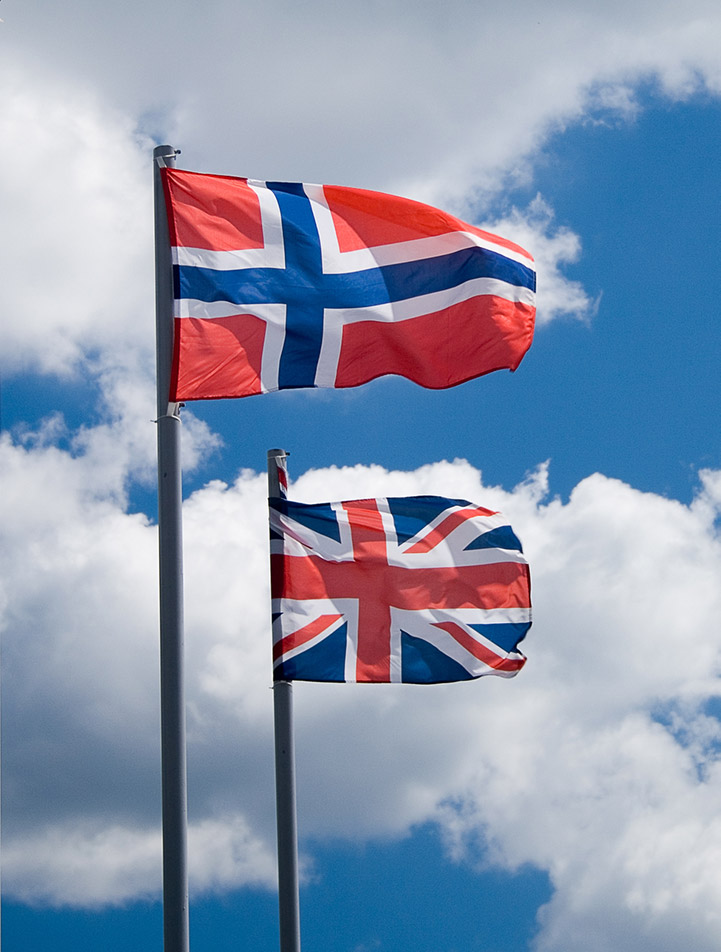
That does not mean British citizens can no longer move to Norway. But it does mean they generally need a residence permit before they can settle here.
Visiting Norway Is Still Possible
It’s important to separate visiting from moving.
British citizens do not need a visitor visa for short trips to Norway. As a British passport holder, you can generally visit Norway and the wider Schengen area for up to 90 days in any 180-day period.
This is useful for holidays, visiting family, attending meetings, scouting out places to live, or spending time in Norway before making a bigger decision.
But those 90 days are not a backdoor to relocation. You cannot simply stay beyond the limit, start working, or move your life to Norway as if the old EEA rules still applied. If you want to live in Norway for longer than 90 days, you will usually need a residence permit.
British Citizens Who Moved Before Brexit
If you were already living in Norway before the end of the transition period, your position is different.
British citizens and their family members who had a right of residence in Norway before the end of 31 December 2020 were covered by the Brexit arrangements. In practice, this meant applying for a Brexit residence permit to document the right to continue living and working in Norway.
The original application deadline was 31 December 2021. For most people, that was the key date by which they had to secure their new documentation.
I went through the process myself, and in my case it was surprisingly straightforward. It involved completing information online through UDI, waiting for an appointment at the police immigration office, showing my passport, and having my photo and fingerprints taken.
The appointment itself was short, and the residence card arrived by post later.
However, this was not a new route for people who decided later that they wanted to move to Norway. It was a way to protect the rights of British citizens who had already established residence before Brexit.
One important update is that many of the first Brexit residence cards issued to British citizens in Norway are now approaching expiry. UDI has said that many British citizens with residence cards expiring in 2026 will need to apply for permanent residence or renew their residence card.
So, if you are a British citizen already living in Norway under the Brexit regulations, don’t just check your passport. Check the expiry date on your residence card too.
Moving to Norway From the UK Today
If you were not legally resident in Norway before the end of 2020, you will normally need to qualify under one of Norway’s standard immigration routes.
For most British citizens, the realistic options are work immigration, family immigration, study, or in some cases self-employment. Each category has its own rules, documentation requirements, fees, and processing times.
Get the Book: How to Find a Job in Norway
The important point is this: wanting to live in Norway is not enough. Norway does not have a general “move here because you like the country” permit. You need a specific basis for residence.
Work Permits for British Citizens
For many people, the most obvious route is work. But this is also where expectations often collide with reality.
In most cases, you need a concrete job offer from a specific Norwegian employer before you can apply for a work permit. The job must normally be full-time, although UDI may accept at least an 80% position in some cases. The position must usually require skilled qualifications, and you must have the qualifications the job requires.
This is commonly known as the skilled worker route.
A skilled worker can be someone with higher education, such as a bachelor’s or master’s degree. It can also include someone with vocational training, provided the training corresponds to a Norwegian vocational education.
In some cases, long professional experience can count as “special qualifications”, but UDI makes clear that this is a demanding route and many applications are rejected.
The job itself must also require skilled qualifications. In other words, having a degree is not enough if the job you are offered does not require that level of competence.
Salary is another major requirement. UDI’s current salary guidance says that if the position requires a bachelor’s degree, the salary must generally be at least NOK 522,600 per year before tax. If the position requires a master’s degree, the figure is at least NOK 599,200 per year before tax.
Different rules can apply if the job is covered by a collective agreement or if a lower salary can be clearly documented as normal for that occupation and location.
This is a major change from the old freedom of movement days. Before Brexit, a British citizen could come to Norway, look for work, and start a job on the same broad terms as other EEA citizens.
Now, the employer must be willing to hire someone who needs a residence permit, and the job must meet the immigration criteria.
That can be a barrier. Norwegian employers often prefer candidates who already have the right to work, especially when they have plenty of applicants from Norway or the EU/EEA. This does not make the skilled worker route impossible, but it does mean British applicants need to be realistic.

Specialist skills, experience in shortage occupations, strong Norwegian or industry-specific competence, and a clear match between your background and the job all help.
Can Brits Move to Norway to Look for Work?
There is a limited job-seeker route for skilled workers, but it is not the same as the old EEA right to move first and figure things out later.
UDI has a job seeker category for people who are qualified as skilled workers and want to look for relevant skilled work in Norway. You must have enough money to support yourself during the stay. UDI currently lists the requirement as NOK 27,116 per month, or NOK 325,400 per year.
The permit is temporary and limited. It is not a general relocation route, and it does not remove the need to qualify for a work permit if you find a job. For many British citizens, this route may be less practical than applying directly from the UK once a firm job offer is in place.
Self-Employment in Norway
Self-employment is sometimes possible, but it is one of the more misunderstood routes.
Norway does have a residence permit category for self-employed persons with a company in Norway. However, it is not a simple digital nomad permit, and it is not designed for someone who wants to move to Norway and continue freelancing for overseas clients in a loose or flexible way.
UDI says the business must normally be your own sole proprietorship. It cannot be a limited company. You must actively participate in running the business, and your presence in Norway must be necessary for establishing and operating it.
The work must also require your qualifications as a skilled worker, and it must be likely that the business will generate a profit of at least NOK 325,400 per year before tax.
There are restrictions too. You can only work in that business. You cannot take other work, and UDI specifically says you cannot do remote work unless it is part of the job for which the residence permit was granted.
This is worth stressing because “I work online” is not, by itself, a route to moving to Norway. Norway does not currently offer a general digital nomad visa.
Family Immigration
Family immigration is another important route, but the rules are detailed and can be strict.
In simple terms, if you have a spouse, registered partner, cohabitant, parent, or child legally living in Norway, you may be able to apply for family immigration. The exact requirements depend on your relationship to the person in Norway and that person’s citizenship or residence status.
The person already living in Norway is known as the reference person. The reference person usually needs to meet an income requirement, currently NOK 416,512 per year before tax, and they must generally show that they had income at around the same level in the previous year too.
There are exceptions and special rules, but this income requirement is one of the main reasons family immigration cases can be more complicated than people expect.
There are also rules for people who plan to get married, children joining parents, parents joining children, and family members of EU/EEA citizens living in Norway.
Study Permits
Studying in Norway is another possible route for British citizens, but it has also become less attractive for many since Brexit.
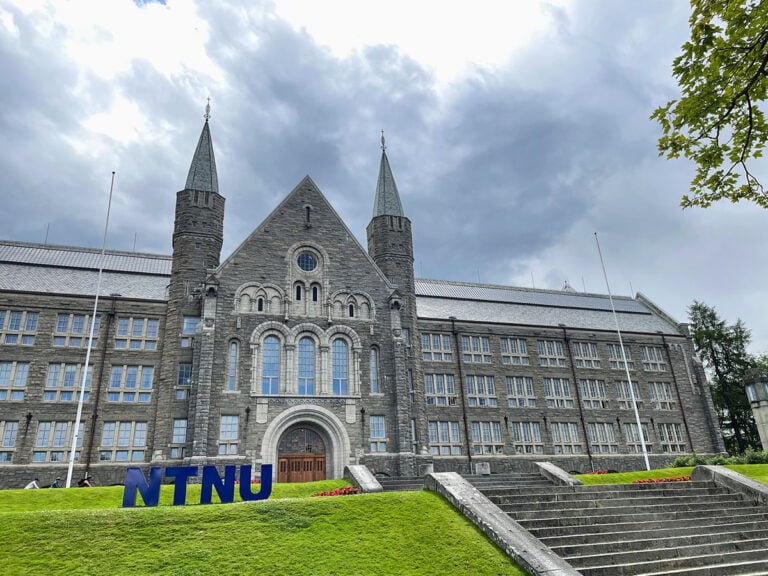
Before Brexit, British students were treated as EEA students. Today, British citizens are generally treated as non-EU/EEA students unless they have another citizenship or residence status that changes their position.
If you want to study in Norway for more than three months, you normally need a study permit. To qualify, you must have been admitted to an approved full-time programme at a Norwegian university, university college, vocational school, folk high school, or other approved educational institution.
You must also have somewhere to live and enough money to support yourself. UDI currently requires at least NOK 166,859 for a full academic year. This can come from student loans, grants, your own funds, or a combination. If you already have a part-time job offer in Norway, that income may also be included.
A study permit normally allows you to work up to 20 hours per week while studying and full-time during holidays.
The big change is tuition. Degree students from outside the EU/EEA and Switzerland must normally pay tuition fees at Norwegian public universities and university colleges. The exact amount varies by institution and programme, and this is in addition to living costs.
That means studying in Norway can still be a route into the country, but it is no longer the low-cost option it once appeared to be for many British students.
What About Retiring to Norway?
This is one of the most common questions from British readers, and the answer is often disappointing.
Norway does not have a general retirement visa for British citizens. Owning property, having savings, or receiving a UK pension does not automatically give you the right to live in Norway.
Before Brexit, a British citizen with sufficient funds could potentially move to Norway under EEA rules, provided they met the relevant conditions. That route is no longer available to British-only citizens.
For retirees, the most realistic route is usually family immigration, for example joining a spouse or close family member in Norway, if the requirements are met. Otherwise, retirement alone is not usually a basis for residence.
Buying Property Does Not Give You Residence Rights
Another common misunderstanding involves property. Foreign citizens can generally buy property in Norway, subject to the usual practical and financial conditions. But buying a house, cabin, or apartment does not give you the right to live in Norway.
This matters because some people imagine they can buy a small place in Norway and use it as a base for long stays. You can own property, but your time in Norway is still limited by visitor rules unless you have a residence permit.
For British citizens without a permit, that usually means the Schengen 90 days in any 180-day period rule.
Permanent Residence and Citizenship
If you move to Norway on a residence permit, you may eventually be able to apply for permanent residence. In many cases, this is possible after three years, but the exact rules depend on the type of permit you hold.
Not all permits form the basis for permanent residence, and some time spent in Norway may not count. You must also meet other conditions, including requirements relating to income, Norwegian language skills, social studies, and conduct.
Citizenship is a separate step and has its own rules. British citizens who eventually become Norwegian citizens may be able to keep British citizenship, because the UK permits dual citizenship and Norway has allowed dual citizenship since 2020.
A Practical Reality Check
So, can British citizens still move to Norway after Brexit? Yes, but not in the same way as before.
For most people, the practical routes are now a skilled job offer, a close family connection, admission to full-time study, or a qualifying self-employment case. Each route requires documentation, fees, patience, and a clear legal basis for residence.
The biggest shift is psychological as much as administrative. Before Brexit, moving to Norway from the UK was difficult in the way that any international move is difficult. You had to find work, housing, and your feet in a new country. But your legal right to try was relatively straightforward.
Today, the immigration question comes first.
That does not mean the dream is over. British people still move to Norway. But the successful ones tend to have a specific route, a realistic plan, and a good understanding of the paperwork before they begin.
The official source for all immigration rules is the Norwegian Directorate of Immigration, known as UDI.
You should always check UDI first before making decisions, because income thresholds, application fees, documentation requirements, and processing times can change.
UDI’s online application guide also adapts the information based on your citizenship and situation, which is especially useful for British citizens after Brexit.
Before asking questions or sharing personal details in the comments, please bear in mind that I work as a writer. I am not an immigration adviser, and I cannot give personal advice on residence permits or individual applications.


Really good factual advice. Thanks
I have had to wait over 2 and half years to get mine, its been a nightmare of a wait.