
Pack your camera, some warm clothes, and plenty of Norwegian coffee, as we give you the lowdown on exactly where to get those pictures you'll cherish for a lifetime.
Few countries on Earth can match Norway for sheer visual drama. This is a land sculpted by glaciers and weathered by time, where narrow fjords slice through mountains and fishing cabins cling to rocky islands surrounded by Arctic seas.
You don’t need to seek out man-made attractions here, because the landscape does all the work. From mirror-calm lakes in Lofoten to dizzying clifftop views above Lysefjord, every corner of Norway offers a scene worth capturing.
Whether you’re a professional photographer, a traveller with a passion for Instagram, or simply someone who wants to remember the feeling of standing before nature’s power, Norway will fill your camera roll in no time.
The challenge isn’t finding a good photo spot, but choosing between them. To help you plan your own photography adventure, here are ten of Norway’s most spectacular locations.
Trollstigen
The Trollstigen mountain pass is one of Norway’s most dramatic drives. The snaking ribbon of asphalt twists through eleven tight hairpin bends as it climbs into the mountains of western Norway.
Even if you’ve seen pictures before, the real-life view takes your breath away. From the bottom, the road seems almost impossible, curling back on itself beneath cascading waterfalls.
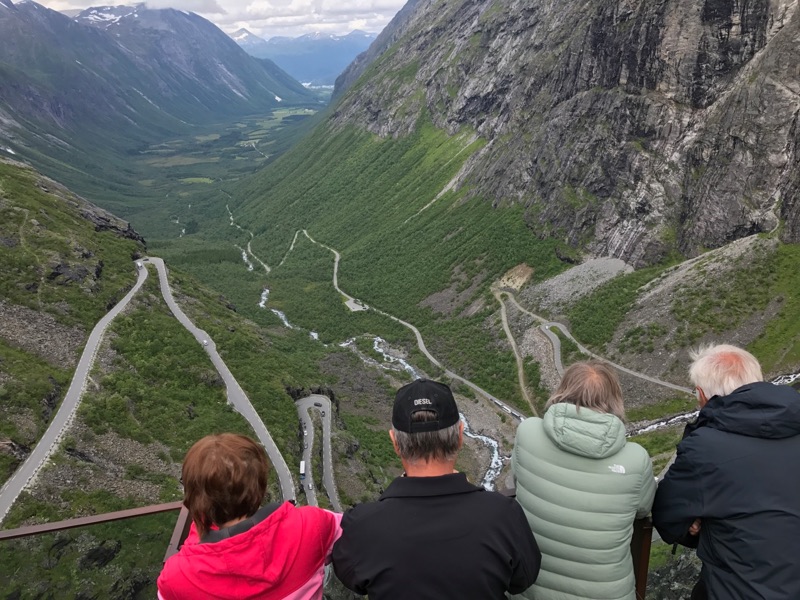
At the top, a modern visitor centre and network of wooden walkways lead to viewing platforms where you can look straight down into the valley below. On misty mornings, waterfalls tumble through clouds and the serpentine road disappears into the fog. It feels alive.
Trollstigen is closed through the winter months due to snow, so aim for June to September for the best chance of good weather and clear roads. You should always check in advance with the Norwegian Public Roads Administration regarding closure dates, as they can vary by several weeks each year.
Reine, Lofoten
The near-vertical granite mountains of Lofoten provide a stunning backdrop to almost every spot on this Arctic archipelago. For the most famous shot head to Reine at the western end of the E10 road that snakes through the islands.
On approach to Reine, the road snakes across islands and skerries for a couple of miles, with open ocean, mirror-like lakes, and ragged snowtopped mountains visible in every direction.
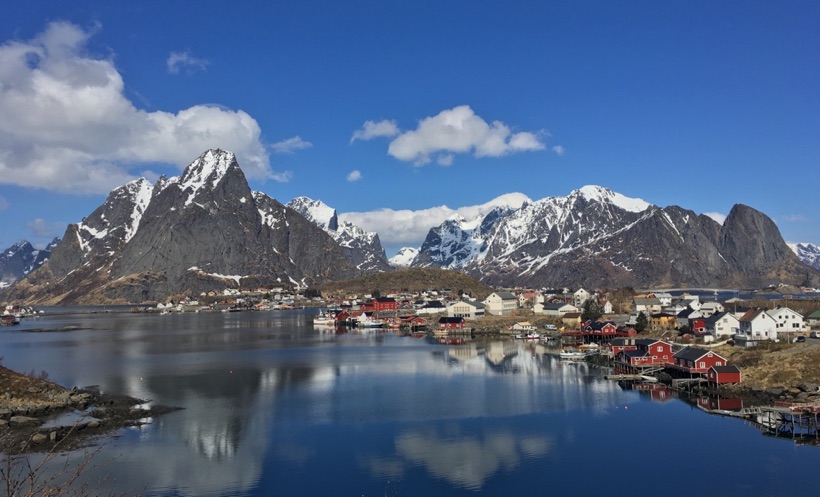
It’s wise to take your time on this stretch to pause at one of the many parking areas and stroll around what is a truly remarkable location. Your first glimpse of Reine will be as you take the bridge from the seafood restaurant and cabins of tiny Sakrisøya island.
Reine itself is a charming village with a handful of cafes and tourist facilities, but the surrounding area offers hiking trails galore for even more spectacular photo opportunities.
Henningsvær, Lofoten
Not far from Reine, the tiny archipelago of Henningsvær seems to float on the sea. Once a humble fishing village, it’s now one of northern Norway’s most photogenic communities, famous for its colourful houses, art galleries and lively harbour.
Climb Festvågtind, the mountain that towers above the village, for one of the best panoramic views in Norway.
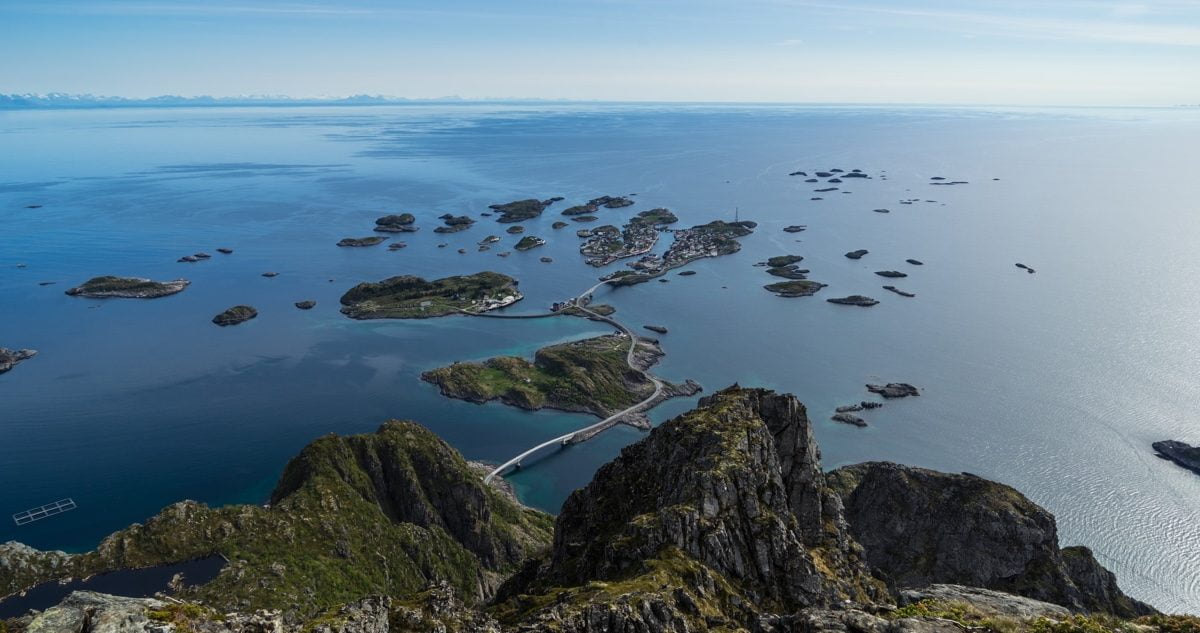
It’s a moderate two-hour roundtrip hike, and from the top you’ll see the islands of Henningsvær scattered below, the football pitch perched improbably on a rocky outcrop, and the endless ocean stretching to the horizon.
Back at sea level, the narrow main street is packed with galleries and cafés where you can warm up and watch the fishing boats come and go. In winter, the contrast of bright paintwork against snow and sea is a photographer’s dream.
Preikestolen, Lysefjord
Known to English speakers as Pulpit Rock, Preikestolen is one of Norway’s most photographed natural landmarks, and for good reason. The clifftop plateau juts 604 metres above Lysefjord, offering a heart-stopping view along the fjord in both directions.
The four-kilometre hike up takes around two hours each way and is best tackled from April to October.
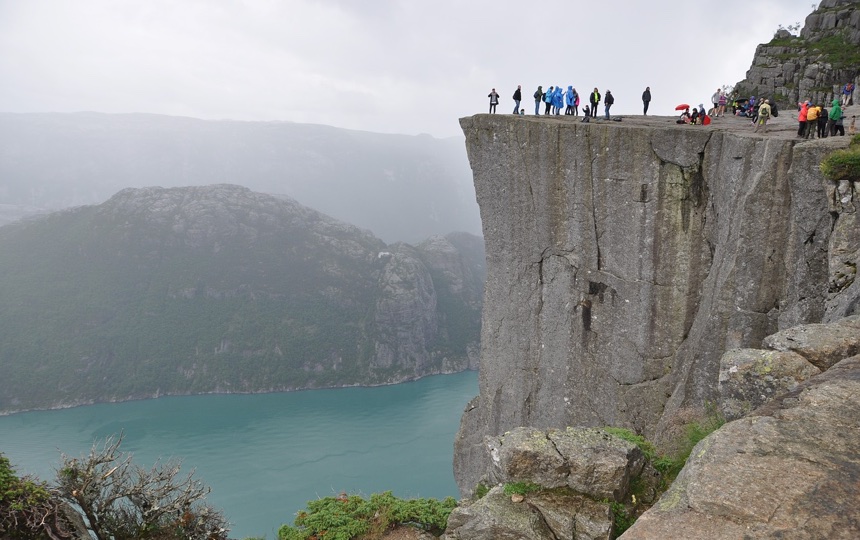
It’s not a difficult trail by Norwegian standards, but sections can be slippery after rain, and the final approach demands care. Visit early in the morning or later in the evening for softer light and fewer crowds.
On a clear day, the reward is unbeatable: a sweeping panorama of mountain and water that seems to go on forever. Standing on the edge (carefully!) you’ll understand why hundreds of thousands make this climb every year.
Bergen from Above
Few cities in Norway are as naturally photogenic as Bergen. Cradled between seven mountains and lapped by the waters of its inner harbour, Norway’s second city seems designed for photographers.
Even on a grey day, the interplay of light and weather gives Bergen a painterly quality, shifting from mist and drizzle to sudden shafts of sun that illuminate the colourful wooden houses of Bryggen and the glistening fjord beyond.
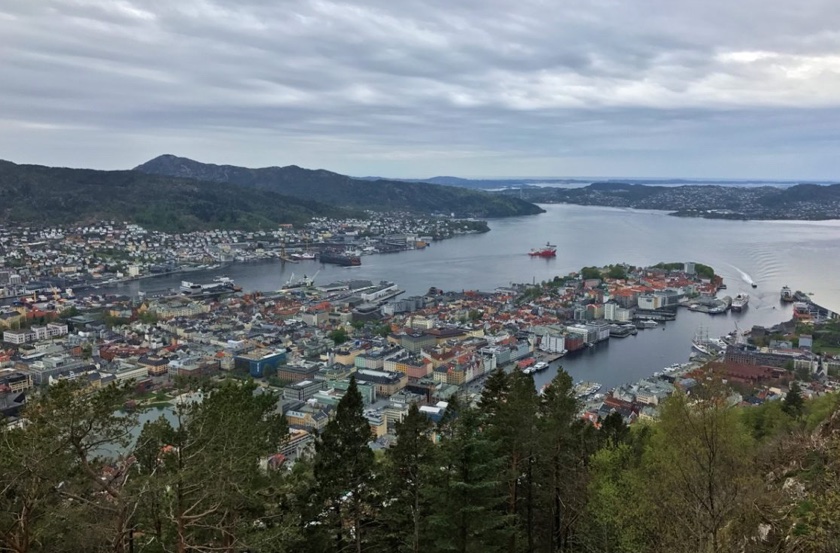
For a shot that blends urban life with natural splendour, head to Mount Fløyen. The Fløibanen funicular railway whisks you from the harbour to the summit in minutes, where you’re greeted with one of Norway’s most famous views: the city’s red-tiled rooftops cascading toward the water, framed by peaks and forest.
From here, you can wander through tranquil woodland trails, hike the ridge to Mount Ulriken, or simply sit with a coffee and watch cruise ships glide into port far below. Visit at sunset for golden light that bathes the city in warmth, or come in winter when snow dusts the rooftops and streetlights reflect softly in the harbour.
Bergen is beautiful from any angle, but from above, its balance of nature and culture reveals the essence of Norway in a single frame. Even if you have just a few hours in the city, this is one photo stop you’ll never forget.
Dalsnibba, Geirangerfjord
If any viewpoint captures the grandeur of Norway’s fjords, it’s Dalsnibba, or the Geiranger Skywalk, as the local tourist office calls it. Rising to 1,500 metres above sea level, it offers a breathtaking look down to the world-famous Geirangerfjord, tiny cruise ships appearing like toys below.
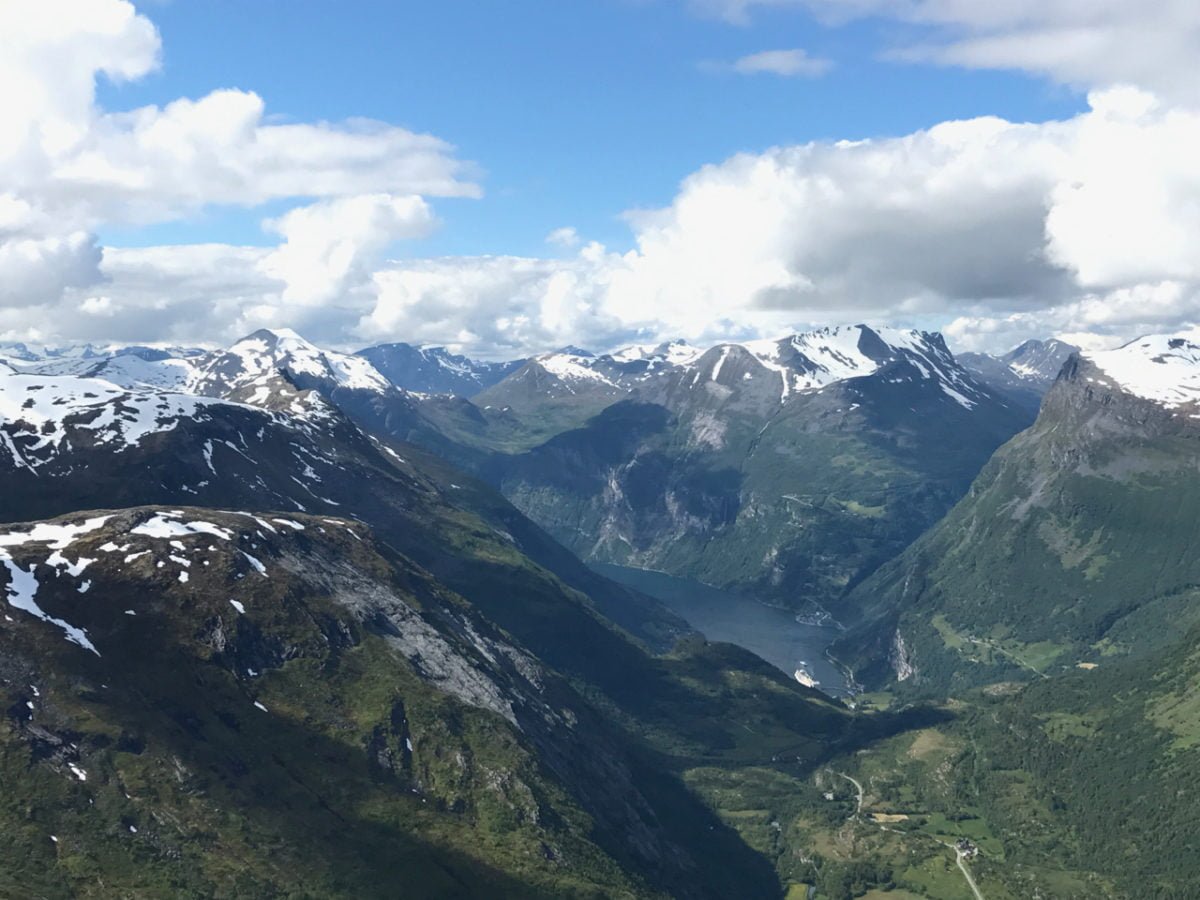
The drive up is a thrill in itself, climbing through snowfields even in July, with stop-offs at places like Flydalsjuvet for classic fjord panoramas. On a clear day, the air feels thin and crisp, and you can see for miles in every direction.
It’s a view that captures the scale of western Norway better than words ever could, and one that often leaves visitors quietly awestruck.
The Northern Lights
Photographers travel from across the world for a chance to capture the aurora borealis, and northern Norway offers some of the best odds.
Between late September and early April, when nights are long and dark, you can often see the lights flickering across the sky from Tromsø, Alta, or the islands of Senja and Kvaløya. Pretty much anywhere in the north, really.
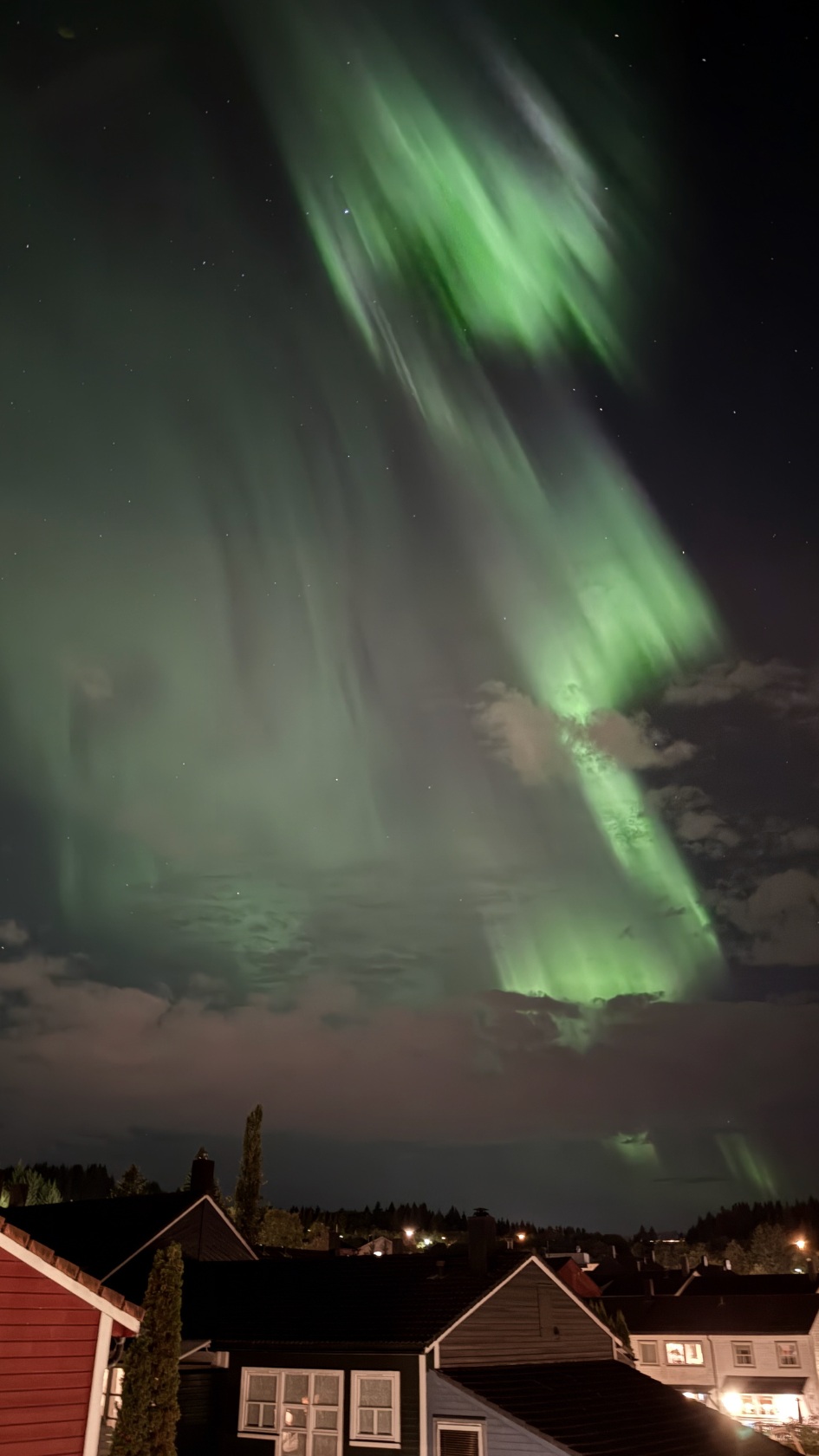
But, to increase your chances, head inland away from the coast’s frequent cloud cover, and keep your plans flexible because local forecasts can change quickly. A sturdy tripod is essential, along with patience and a bit of luck.
When the lights appear, they often start as a faint glow before bursting into ribbons of green, purple and pink. Watching them ripple across the stars is a humbling experience, and even if your camera doesn’t do them justice, the memory will last a lifetime.
Nordkapp
Standing at Nordkapp (North Cape) feels like standing at the edge of the world. A sheer cliff rises 300 metres above the Arctic Ocean, crowned by a metal globe sculpture that’s become one of Norway’s most photographed icons.
In summer, the sun never sets, hovering just above the horizon in a golden glow that lasts for hours — ideal conditions for long-exposure photography. In winter, the cape is often locked in snow and darkness, but that brings its own stark beauty.
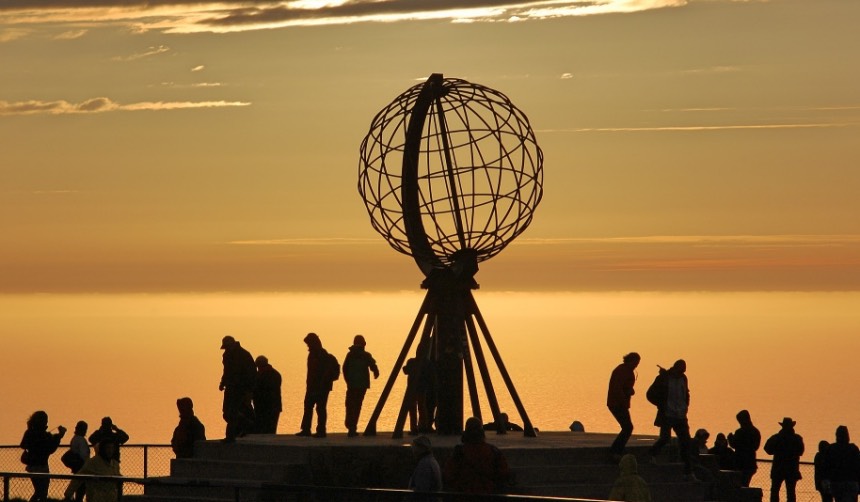
Although Nordkapp isn’t technically the northernmost point of mainland Europe (that title goes to nearby Knivskjellodden), it’s still the symbolic finish line for countless travellers driving the length of Norway.
The Kjerag Boulder, Lysefjord
For those who prefer their photos with a dose of adrenaline, few places beat the Kjerag Boulder. This round rock is wedged in a mountain crevasse 984 metres above the Lysefjord.
The six-hour roundtrip hike is challenging, with several steep climbs secured by chains, but the payoff is extraordinary. The boulder itself is surprisingly solid, though the void beneath it is almost a kilometre straight down.
Many visitors wait their turn to stand on it for that unforgettable photo, while others prefer to capture the moment from a safe distance.
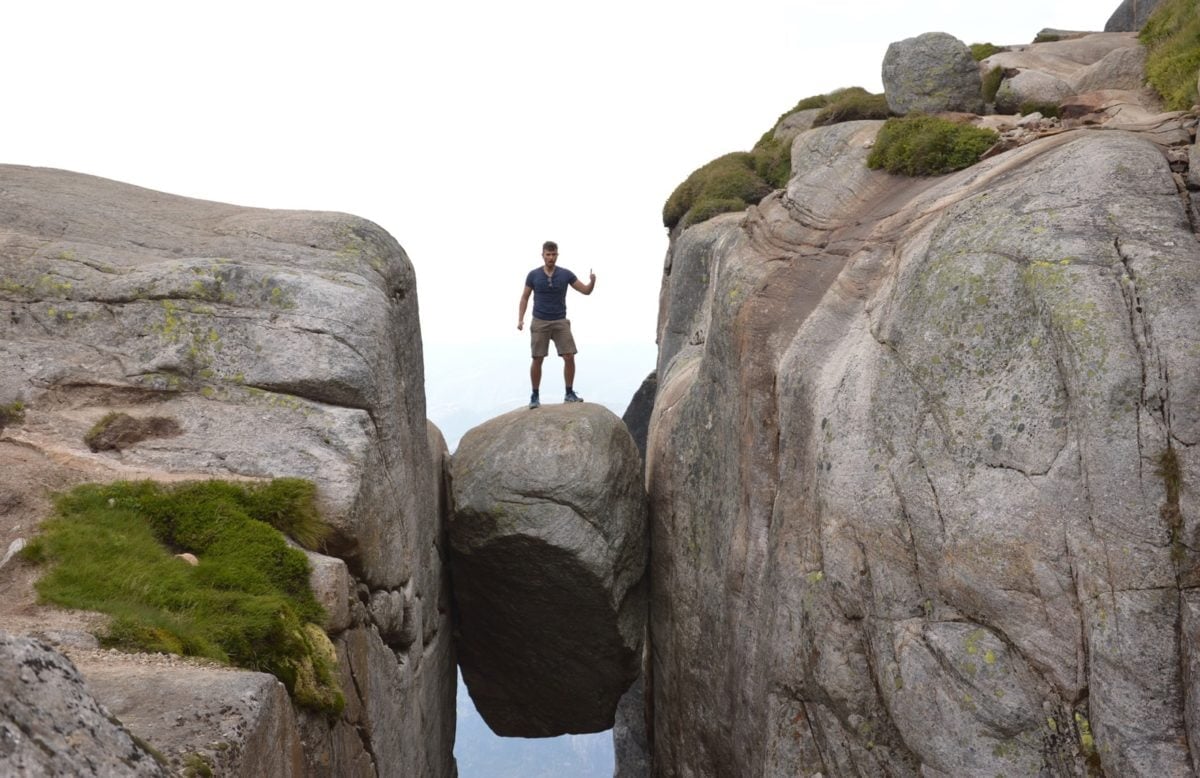
The trail is usually open from June to September, and clear days offer expansive views of the fjord that rival those from Preikestolen itself.
Trolltunga, Hardanger
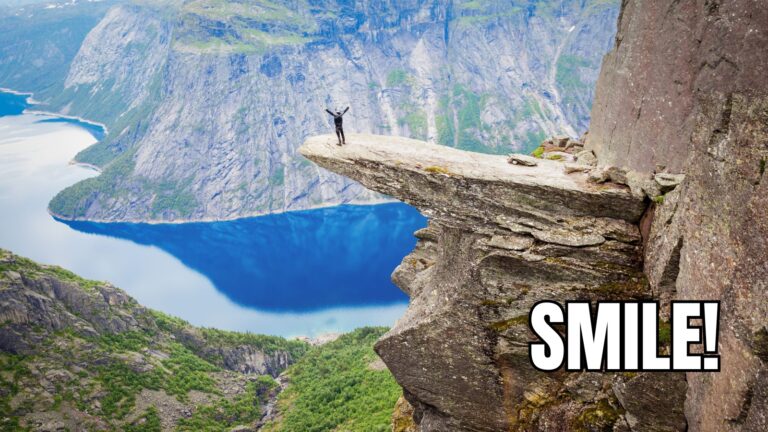
If any single spot defines Norway’s image on social media, it’s Trolltunga, or the Troll’s Tongue. It's the image we used at the very beginning of this article!
This dramatic rock ledge juts out horizontally from the mountainside 700 metres above Lake Ringedalsvatnet, providing one of the most famous (and nerve-tingling) photo ops in Scandinavia.
Reaching it is a serious undertaking: a 10–12 hour hike covering 27 kilometres in total. It’s best attempted between June and early September, when the trail is free of snow and daylight lasts into the night.
Because of its popularity, a permit and staffed checkpoints now help ensure hikers are properly equipped. The climb is demanding, but the reward of standing at the edge of Trolltunga with nothing but air and mountains all around is unforgettable.
Which is your favourite location in Norway for taking pictures? I'd love to hear your thoughts down in the comments.


I have been to Norway twice now and hope to go again. During my first trip 12 days, I took over 3000 photos. I got a little over half that the second time. It is the most beautiful place in the world.
Thanks for the photos. We recently visited Norway during the last week of July through the first week of August 2017 staying with wonderful friends that helped us see the beauty of Norway near Trondheim, Vardal, and Innerdahlen Valley. SO beautiful. And, so are the people, inside and out! The lakes and streams are so clean and clear you can drink out of them. So much open nature to hike in and enjoy.
Aalesund is gorgeous too. Maybe not as spectacular as some of the above, but unique in its own way nonetheless.
After a climb to the top of Galdhopiggen the view on a sunny day is amazing. Also the panorama of Oslo from the heights of the ski jump are a must see.
There is another “trolltunge” frequently seen in photos, but no name. It sticks out of a forested area, above a fjord. Just as dramatic even though smaller but still a long drop to the water. I hope you can find it. I have a photo of it but am not sure how to send it to you.