
From a notorious bridge between Denmark and Sweden to the rain-soaked streets of Bergen, discover the real places behind some of Nordic noir's most memorable crime stories.
A bridge, an ordinary apartment building, a quiet café on a street corner. In the world of Nordic noir, even the most everyday places can hide something sinister.
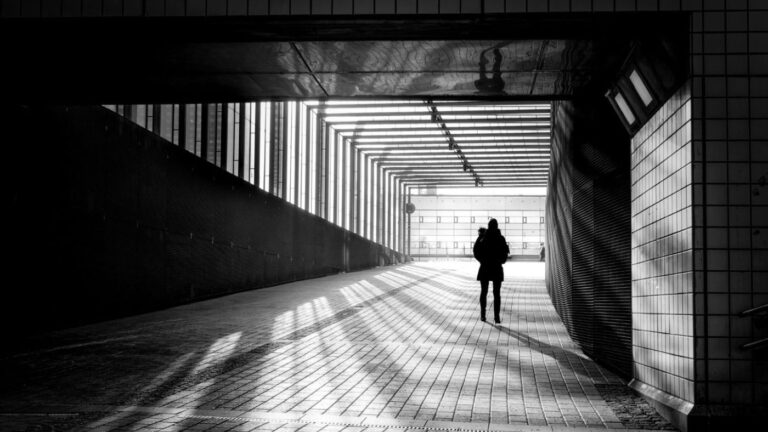
Setting has always been one of the great strengths of Nordic noir. Cities are more than backdrops, landscapes shape the mood, and beneath the apparent order of Scandinavian society, there's usually something unpleasant waiting to be uncovered.
“We respond to the bleakness. Most Danish and Swedish series don’t present a glossy, touristy view of the countries,” said journalist Barry Forshaw, an authority on the genre.
Yet that distinctly unglamorous portrayal has inspired plenty of travel. From Stockholm's backstreets to small-town Sweden, fans have followed their favourite fictional detectives into the real world. Here are seven places where you can do the same.
The Bridge: Copenhagen and Malmö
Few television opening scenes have made a landmark quite so memorable.
In The Bridge, a body is discovered on the border between Denmark and Sweden, right in the middle of the Øresund Bridge. It's an extraordinary opening to a series that would become one of Nordic noir's biggest international successes.
The bridge itself is an impressive feat of engineering, carrying road and rail traffic across the strait between Copenhagen and Malmö, with a tunnel completing the connection on the Danish side.
Today, you can cross the same route by train or car. It's a perfectly ordinary journey for thousands of commuters, although fans of the series may find themselves looking at the crossing rather differently.

And if the opening scene wasn't memorable enough, the series finale brought viewers back to the very same landmark.
The Killing: Copenhagen
If The Bridge made an international star of the Øresund crossing, The Killing helped turn Copenhagen into the unofficial capital of television crime drama.
When the Danish series arrived on BBC Four in 2011, British viewers became hooked on detective Sarah Lund, her relentless investigations, and her collection of distinctive Faroese knitwear. But Copenhagen itself was just as important to the atmosphere.
Rather than concentrating on the city's colourful waterfront and tourist attractions, The Killing took viewers into residential neighbourhoods, government buildings, and offices where apparently respectable people had plenty to hide.
Fans can explore the Østerbro district, where Lund's fictional home was located, along with central landmarks such as City Hall and Christiansborg Palace.
The latter should also be familiar to viewers of Borgen, Denmark's acclaimed political drama.
Wallander: Ystad, Sweden
At first glance, Ystad seems an unlikely setting for so much murder.
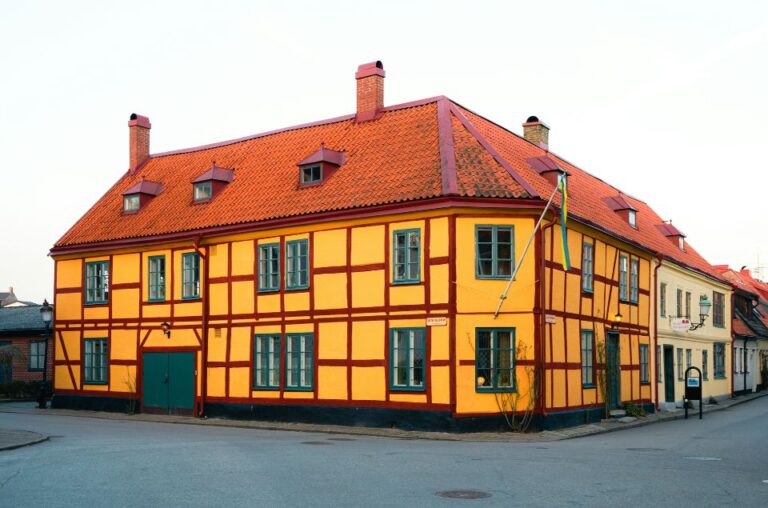
This attractive town on Sweden's southern coast is known for its cobbled streets, half-timbered houses, and medieval character. Yet thanks to author Henning Mankell, it has become almost synonymous with troubled police detective Kurt Wallander.
Both the Swedish television adaptations and the British version starring Kenneth Branagh made extensive use of Ystad and its surroundings.
Unlike some fictional crime settings, Wallander's world is remarkably easy to explore. His home on Mariagatan is a popular stop for fans, while Fridolfs konditori is another location associated with the stories.
For a closer look behind the scenes, the Ystad Studios Visitor Center features original sets, costumes, props, and other memorabilia from the screen adaptations.
It's a fascinating contrast. By day, Ystad is a delightful place to wander. On screen, almost every picturesque street seems capable of concealing a crime.
Lisbeth Salander's Stockholm
Stieg Larsson's original Millennium trilogy, beginning with The Girl with the Dragon Tattoo, presented a very different side of the Swedish capital.
Gone is the polished image of Stockholm as a city of elegant waterfront buildings and royal palaces. In its place is a darker world of corruption, violence, investigative journalism, and the extraordinary hacker Lisbeth Salander.
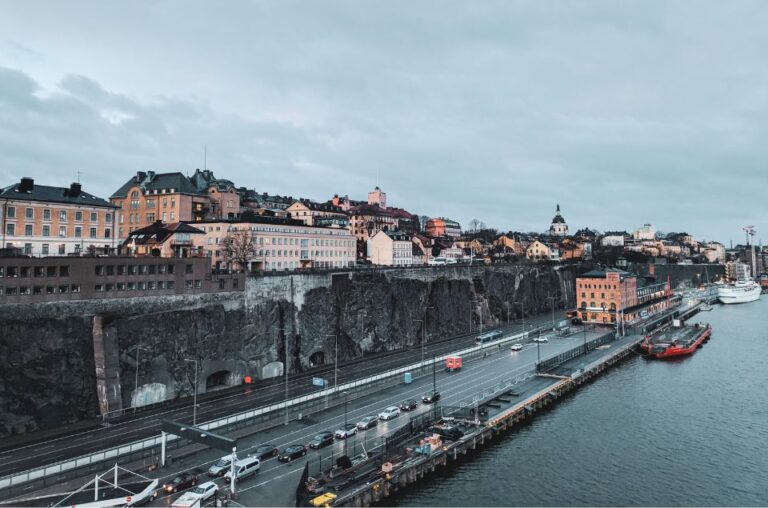
Much of the action centres on Södermalm, an island neighbourhood south of Stockholm's historic centre.
Larsson himself lived here, and its mixture of fashionable cafés, older apartment buildings, independent businesses, and varied communities provides a convincing setting for the novels.
Walking tours inspired by the books take fans past places associated with Salander and journalist Mikael Blomkvist, including their fictional homes and locations central to the plots.
Even without a guided tour, Södermalm is worth exploring. It's one of Stockholm's most interesting neighbourhoods, especially once you've seen it through Larsson's rather less flattering lens.
Harry Hole's Oslo
If there's one Norwegian fictional detective who seems unlikely to feature in a tourist brochure, it's Harry Hole.
The troubled, hard-drinking investigator at the centre of Jo Nesbø's bestselling crime novels spends much of his time navigating Oslo's less glamorous side. Yet for fans of the books, the Norwegian capital offers several recognisable locations.
Harry's fictional apartment is in Sofies gate, in the Bislett neighbourhood, while his favourite drinking spot, Restaurant Schrøder, is a real Oslo institution on nearby St. Hanshaugen.
The restaurant reopened under new management in 2026, allowing fans once again to enjoy a meal in the surroundings so familiar from the novels.
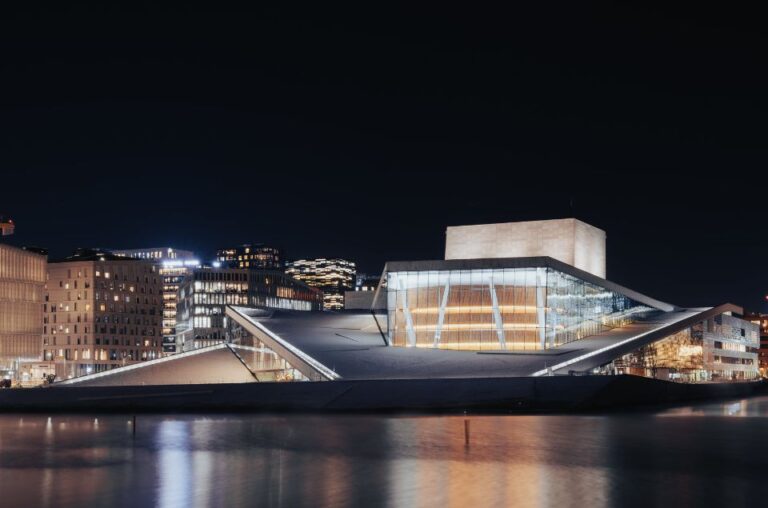
There's something appealing about this kind of literary sightseeing. You don't need elaborate sets or a guided tour. Just a walk through an ordinary Oslo neighbourhood can bring Harry Hole's world to life.
Varg Veum's Bergen
Rain, narrow streets, old wooden buildings, and dark corners. Bergen hardly needs much help creating the right atmosphere for a crime story.
Gunnar Staalesen has been making excellent use of the city for decades through his private investigator Varg Veum, one of Norway's most enduring fictional detectives.
The novels have also inspired a series of Norwegian-language films, bringing Veum's investigations and Bergen's distinctive streets to the screen.
Unlike some fictional detectives, Veum has become a permanent part of his home city.
A bronze statue of the investigator stands on Strandkaien, outside the building housing his fictional office. It's an excellent starting point for anyone wanting to explore the Bergen of Staalesen's novels.
Other locations include the area below the Skansen fire station, where Veum lives, and the former Børs Café, another familiar name from the stories.
For readers who know Bergen already, Staalesen's books offer an entertaining alternative view of the city. And for newcomers, following Veum's footsteps provides an excuse to venture beyond Bryggen and the usual tourist trail.
Detective Erlendur's Reykjavik
Our final stop takes us beyond Scandinavia to Iceland, where crime writer Arnaldur Indriðason has made Reykjavik the setting for his acclaimed Detective Erlendur novels.
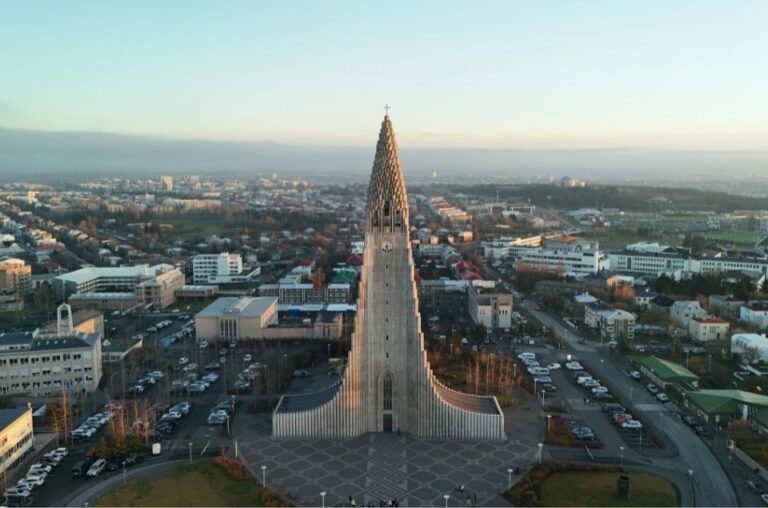
Books such as Jar City reveal a side of the Icelandic capital that visitors might otherwise overlook.
Rather than concentrating on the dramatic volcanic landscapes that dominate Iceland's tourism imagery, Indriðason frequently turns his attention to ordinary homes, quiet streets, and unremarkable buildings.
His Reykjavik is a place where old secrets linger, and where the past has an uncomfortable habit of returning.
The contrast is part of the appeal. Beyond the city are lava fields, mountains, and wild open spaces. Within it, the stories are rooted in everyday lives, complicated relationships, and a society where people are often more closely connected than they realise.
For fans of the novels, simply exploring Reykjavik's quieter residential streets can provide a different perspective on a city better known for its colourful buildings, nightlife, and spectacular natural surroundings.
Perhaps that's the real appeal of travelling through the world of Nordic noir. You can admire the scenery, enjoy the cities, and visit some fascinating places.
But once you've encountered them in a crime novel or television drama, an ordinary bridge, apartment building, or neighbourhood café never looks quite the same again.
Are you a fan of Nordic noir? Which books or television dramas are your favourites? And have you visited any of these locations? Let me know in the comments below.